













Rhinoplasty Dubai and the Anatomy Behind Natural-Looking Results
Explore Rhinoplasty Dubai for balanced nasal reshaping, facial harmony and personalised surgical planning with Tajmeels Clinic in Dubai.
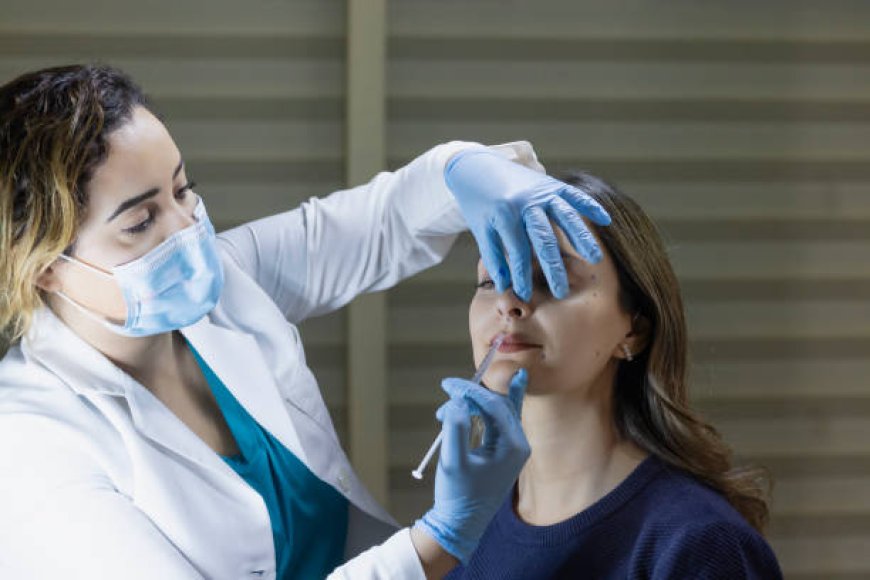
Rhinoplasty Dubai is a surgical procedure designed to reshape the nasal bone, cartilage, and supporting tissues to improve nasal appearance, structure, breathing, or a combination of these goals. Rather than simply making the nose smaller, modern rhinoplasty focuses on proportion, structural support, facial harmony, and a result that fits the individual patient's anatomy.
For patients considering nose reshaping in Dubai, the treatment plan depends on much more than the shape they see in the mirror. Skin thickness, cartilage strength, nasal bone structure, septal position, tip support, facial proportions, previous trauma, and breathing patterns can all influence the surgical approach.
Why Rhinoplasty Dubai Requires Individualised Surgical Planning
Every nose has a different combination of bone, cartilage, skin, soft tissue, and internal airway structures. This makes rhinoplasty highly individualised rather than a procedure that can be performed using one standard technique.
A surgeon assessing Rhinoplasty Dubai candidates may consider several anatomical factors, including:
- Nasal bridge height and width
- Nasal tip projection and rotation
- Cartilage strength and shape
- Septal alignment
- Nostril size and position
- Skin and soft-tissue thickness
- Facial width and overall proportions
- Existing breathing difficulties
- Previous nasal surgery or trauma
The objective is to make changes that work with the patient's existing anatomy instead of creating an isolated nose that looks disconnected from the rest of the face.
Facial harmony matters in Rhinoplasty Dubai
A nose does not exist independently from the forehead, cheeks, lips, chin, and jawline. A change that looks appropriate from the front may appear different from the side because facial proportions influence how nasal size and projection are perceived.
This is particularly important when patients request a very small or highly sculpted nose. Excessive reduction can compromise structural support or create proportions that do not complement the rest of the face.
Skin thickness influences visible refinement
The nasal skin envelope must settle over the reshaped framework after surgery. Thicker skin may take longer to reveal fine tip definition, while thinner skin can make subtle irregularities more visible.
This is one reason why two patients undergoing similar structural corrections may experience different rates of visible refinement.
Rhinoplasty Dubai Recovery in the Local Climate
Dubai's climate and lifestyle can influence the practical side of postoperative recovery. High temperatures, strong sunlight, air-conditioned interiors, seasonal humidity, and frequent travel should all be considered when planning surgery.
Managing Dubai's heat and sun exposure
Swelling is a normal part of surgical healing. Spending prolonged periods in intense heat or direct sunlight immediately after surgery may make recovery less comfortable.
Patients should generally plan for:
- Limited direct sun exposure during early healing
- Comfortable indoor environments
- Protection of the nose from accidental impact
- Compliance with postoperative instructions
- Avoidance of strenuous activities until medically cleared
The exact restrictions should always come from the operating surgeon because recovery requirements vary according to the surgical techniques performed.
Air-conditioning and nasal comfort
Dubai residents often move between hot outdoor conditions and heavily air-conditioned indoor spaces. Dry indoor air can contribute to nasal discomfort during the recovery period.
Patients should follow the surgeon's recommendations for postoperative nasal care rather than introducing sprays, creams, or other products without medical guidance.
International travel after Rhinoplasty Dubai
Frequent business and leisure travel is common among Dubai residents. Surgery should therefore be planned around upcoming flights, important meetings, holidays, and social events.
A practical recovery plan should allow sufficient time for early swelling, congestion, follow-up appointments, and postoperative restrictions before returning to demanding travel schedules.
Rhinoplasty Dubai Compared With Other Nose Procedures
Not every nasal concern requires the same procedure. Rhinoplasty, septoplasty, and non-surgical nose reshaping have different purposes and limitations.
| Treatment | Primary purpose | Cosmetic reshaping | Structural surgery | Typical role |
|---|---|---|---|---|
| Rhinoplasty | Reshape nasal structure and/or improve function | Yes | Yes | Cosmetic, functional, or combined correction |
| Septoplasty | Correct a deviated nasal septum | Not usually the primary goal | Yes | Functional breathing correction |
| Non-surgical rhinoplasty | Temporarily alter external contour | Yes | No | Minor contour camouflage |
| Revision rhinoplasty | Correct or refine a previously operated nose | Yes | Yes | Secondary or corrective surgery |
Rhinoplasty and septoplasty
Rhinoplasty primarily focuses on changing the external shape and structural framework of the nose, although functional improvements can also be incorporated.
Septoplasty focuses on correcting the nasal septum when its position contributes to impaired airflow. Some patients may require both functional and aesthetic correction, depending on their anatomy.
Rhinoplasty and non-surgical nose reshaping
Injectable nose reshaping can sometimes camouflage minor contour irregularities, but it cannot perform the same structural changes as surgery.
It cannot remove a nasal hump, physically reduce bone, reposition cartilage, or correct every type of functional problem. Patients seeking substantial structural reshaping should therefore understand the difference between temporary contour modification and surgical rhinoplasty.
Choosing Between Open and Closed Rhinoplasty in Dubai
Open and closed rhinoplasty refer primarily to the surgical access used to reach the nasal framework.
In closed rhinoplasty, the incisions are placed inside the nose. Open rhinoplasty includes internal incisions along with an additional incision across the columella, allowing broader exposure of the nasal structures.
The appropriate approach can depend on:
- The extent of structural correction required
- Nasal tip anatomy
- Cartilage strength
- Previous nasal surgery
- Degree of asymmetry
- Surgeon assessment
- Functional requirements
- The complexity of the planned correction
A closed approach can be suitable for selected patients, but the absence of an external incision does not automatically make it appropriate for every case.
Patients specifically interested in an internal-incision approach can learn more about closed rhinoplasty in Dubai before discussing their individual anatomy with a qualified surgeon.
How Rhinoplasty Dubai Addresses Nasal Anatomy
A successful surgical plan starts with understanding the structures that create the nose's shape and function.
Nasal bones
The upper portion of the nose is primarily supported by bone. Depending on the patient's anatomy, surgical techniques may be used to alter the width, contour, or position of the nasal bones.
Nasal cartilage
The middle and lower portions rely heavily on cartilage. Cartilage influences the bridge, tip definition, nostril shape, projection, and overall nasal support.
Changes must be carefully planned because excessive cartilage removal or weakening can affect both appearance and structural stability.
Nasal septum
The septum separates the nasal passages and contributes to internal support. Septal deviation can affect airflow and may need to be considered when a patient presents with both cosmetic and functional concerns.
Nasal tip
The tip is one of the most technically sensitive areas of rhinoplasty. Changes to cartilage shape and support can influence:
- Tip projection
- Tip rotation
- Definition
- Symmetry
- Relationship between the tip and nasal bridge
- Appearance of the nostrils
For this reason, tip refinement should be approached according to the patient's existing cartilage framework rather than based on a generic aesthetic template.
Common Rhinoplasty Dubai Patient Concerns Explained
Patients often arrive at consultation with a clear aesthetic goal but an incomplete understanding of what their anatomy allows.
“I only want my nose to be smaller”
Reducing overall nasal size may not always create the desired facial balance.
A surgeon may instead need to assess the bridge, tip, projection, width, and relationship between the nose and chin before deciding which structures require modification.
“Closed rhinoplasty means there will be no swelling”
This is not accurate. Closed rhinoplasty still involves surgical manipulation of nasal tissues.
Swelling, congestion, bruising, and tenderness can occur during recovery. The severity and duration depend on the extent of surgery, individual healing characteristics, and the structures that were modified.
“A perfect nose should look the same on everyone”
There is no single nasal shape that suits every face.
The ideal surgical objective is usually proportional refinement. A nose that complements the patient's facial anatomy can look more natural than one created according to a fixed aesthetic template.
Rhinoplasty Dubai Treatment Journey
The treatment process generally involves several stages, although the exact pathway varies according to the patient's anatomy and surgical plan.
1. Initial consultation
The surgeon discusses:
- Cosmetic concerns
- Breathing symptoms
- Previous nasal surgery
- Medical history
- Previous trauma
- Desired changes
- Recovery expectations
This consultation helps determine whether rhinoplasty is appropriate and what type of correction may be required.
2. Detailed nasal and facial assessment
The nose is assessed from multiple perspectives rather than from one photograph or angle.
The surgeon evaluates the nasal bridge, tip, nostrils, septum, skin envelope, facial proportions, and supporting structures.
3. Personalised surgical planning
The surgical approach is selected according to the patient's anatomy and objectives.
Depending on the case, the plan may involve:
- Closed rhinoplasty
- Open rhinoplasty
- Tip refinement
- Bridge reshaping
- Nasal bone modification
- Cartilage reshaping
- Functional correction
- Revision surgery
4. Preoperative preparation
Patients receive instructions regarding medications, investigations, activity, and practical recovery arrangements.
It is also sensible to arrange adequate time away from demanding work, strenuous exercise, major social events, and unnecessary travel.
5. Surgical correction
During surgery, the surgeon reshapes the relevant nasal structures according to the agreed treatment plan.
The extent of correction varies considerably between patients. Some require relatively focused changes, while others need more comprehensive structural reconstruction.
6. Early recovery
Swelling and congestion are common during the initial healing period. Patients should protect the nose from pressure and follow all postoperative instructions provided by the surgical team.
7. Long-term refinement
The nose continues to settle after the early recovery phase. The final appearance may become progressively clearer as swelling decreases and the soft-tissue envelope adapts to the underlying framework.
What Makes a Natural Rhinoplasty Result
Natural-looking rhinoplasty is not necessarily about making every feature perfectly symmetrical or dramatically changing the nose.
Several factors contribute to a balanced result:
- Appropriate nasal proportions
- Preservation of structural support
- Careful cartilage management
- Appropriate bridge and tip relationships
- Consideration of facial proportions
- Respect for the patient's skin and soft-tissue characteristics
- Realistic expectations
- Appropriate surgical technique
The goal is to create a nose that belongs naturally to the patient's face rather than an isolated feature that appears surgically altered.
Rhinoplasty Dubai and Long-Term Facial Balance
Rhinoplasty can produce long-term structural changes, but maintaining the result also involves sensible postoperative care and protection of the nose.
For Dubai residents, this includes following medical instructions, attending scheduled follow-ups, managing sun exposure, avoiding unnecessary nasal trauma, and planning travel appropriately during recovery.
The most important decision is not simply whether to change the nose, but how that change should be designed around the patient's anatomy and long-term facial proportions.
Book a Rhinoplasty Consultation With Tajmeels Clinic
If you are considering Rhinoplasty Dubai, a personalised consultation is the appropriate starting point for understanding what can realistically be changed and which surgical approach may suit your nasal anatomy.
At Tajmeels Clinic, the assessment can focus on your individual facial proportions, nasal structure, aesthetic goals, and functional concerns rather than applying a one-size-fits-all treatment plan.
If you are ready to explore your options, contact Tajmeels Clinic in Dubai to discuss your rhinoplasty goals and arrange a consultation with the appropriate surgical team. Visit Tajmeels Clinic to explore the clinic's plastic surgery and aesthetic treatment services.
What's Your Reaction?
 Like
0
 Dislike
0
 Love
0
 Funny
0
 Angry
0
 Sad
0
 Wow
0