Should You Choose Brow Tinting or Microblading for Fuller Looking Brows?
Compare brow tinting or microblading for fuller brows, including results, longevity, maintenance, skin impact, healing, and which option fits your needs.

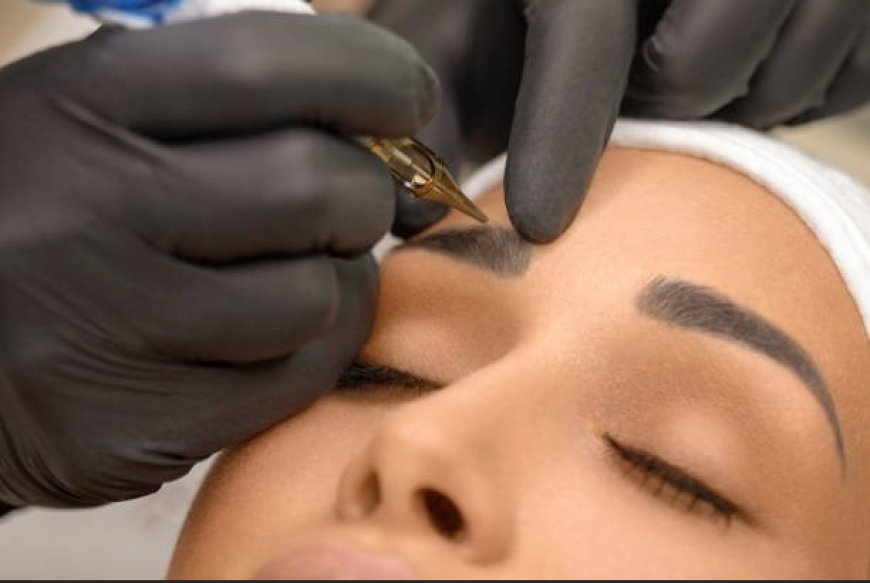
Fuller-looking brows do not always require the same treatment. Someone with plenty of pale brow hairs has a very different starting point from someone with gaps, missing tails, or naturally sparse growth.
That distinction matters when choosing brow tinting or microblading.
Brow tinting works mainly with the hair you already have. Microblading creates the appearance of additional hairs by placing pigment into the skin. Neither is automatically the better choice. The right option depends on what is making your brows look sparse in the first place, how long you want the result to last, and how much maintenance or healing you are comfortable with.
So, what should you actually compare before booking either treatment?
Brow Tinting: What Does It Actually Do?
Brow tinting is a temporary cosmetic treatment that darkens existing eyebrow hairs.
A tint is carefully applied to the brow hairs and processed for a set amount of time before being removed. Darkening lighter, finer hairs can make the brow look denser because hairs that previously blended into the skin become much easier to see.
This makes brow tinting particularly useful when the issue is visibility rather than missing hair.
For example, someone may have a reasonably full brow but have blonde, gray, light brown, or very fine hairs toward the outer edge. Without makeup, those hairs can be difficult to see. Once they are tinted, the brow may appear wider, longer, and more defined.
Brow tinting does not create new hairs and does not make the follicles produce more hair.
That difference is important.
What Kind of Fullness Can Brow Tinting Create?
Imagine two eyebrows with exactly the same number of hairs. One has dark hair, while the other has very pale hair.
Which looks fuller?
Usually, the darker one.
That is the visual effect tinting uses. By increasing contrast between the brow hair and surrounding skin, the existing brow becomes more noticeable.
Tinting can therefore help with:
-
Light or faded eyebrow hairs
-
Brows with less visible outer tails
-
Fine hairs that disappear against the skin
-
Gray hairs mixed through the brow
-
Brows that look less defined without pencil or gel
However, tint cannot fully disguise an area where there is little or no hair.
If you have a clear gap through the arch, a missing tail, significant asymmetry caused by absent hair, or naturally very sparse brows, tinting may make the hairs surrounding that area darker without actually filling the empty space.
That limitation is one of the biggest factors when deciding between brow tinting and microblading.
What Is the Brow Tinting Appointment Like?
Brow tinting is generally the less involved option.
The brows are assessed, the shade is selected, and the tint is applied to the eyebrow hairs. The treatment itself is usually relatively short. A medically reviewed overview published in 2025 describes brow tinting as taking around 15 minutes, although appointment length can vary.
There is no need to create small cuts in the skin to produce the cosmetic result.
Once the tint has processed, the product is removed, and the color can be assessed.
Shade selection is important. Going darker does not necessarily make a brow look better. The goal is normally enough contrast to define the existing hairs without creating a result that looks unnecessarily heavy against the person's hair and skin tone.
How Long Does Brow Tinting Last?
Brow tinting is temporary.
A typical semi-permanent eyebrow tint may remain noticeable for approximately three to six weeks, although fading varies between people.
That temporary nature can actually be an advantage.
If you enjoy changing your brow color, are unsure how dark you want to go, or simply do not want to commit to pigment placed within the skin, tinting allows much more flexibility. As the tinted eyebrow hairs naturally grow and shed, the result gradually becomes less noticeable.
Main Limitations of Brow Tinting
Tinting works best when enough natural hair exists to create the desired shape. It cannot reliably:
-
Replace a missing section of eyebrow
-
Extend a brow significantly where no hair grows
-
Build an entirely new arch
-
Correct major gaps using hair that is not there
-
Permanently change the brow shape
This gives us a useful decision rule: If your brow looks sparse because the hairs are difficult to see, tinting may solve the problem. If it looks sparse because hairs are actually missing, tinting has less to work with.
What Should You Know About Tinting Safety?
Brow tinting is generally a simple service, but it is still performed very close to the eyes and on delicate skin. Good technique, clean tools, and careful product use all matter.
A professional should also check whether you have a history of skin sensitivity, allergies, or previous reactions to hair or brow dyes before starting the service.
For safer brow tinting, pay attention to the following:
-
Patch testing: If you have sensitive skin or a history of reactions to dye, ask whether a patch test is recommended before the appointment.
-
Clean application tools: Brushes, applicators, and other tools should be clean and properly prepared before use.
-
Careful product placement: Tint should be applied only where intended and should not be allowed to run into the eyes.
-
Correct processing time: Leaving tint on longer does not automatically create a better result and may increase the chance of irritation.
-
Skin condition: Tinting should usually be postponed if the brow area is irritated, broken, sunburned, or experiencing an active skin reaction.
-
Immediate communication: Burning, strong stinging, swelling, or unusual discomfort should be reported straight away rather than tolerated.
A licensed esthetician can also assess the condition of the brows and surrounding skin before the service and explain whether tinting is suitable at that time.
Microblading: What Does It Actually Do?
Microblading approaches sparse-looking brows differently.
Instead of making natural eyebrow hairs darker, eyebrow microblading creates fine pigmented strokes in the skin that are designed to resemble individual hairs.
A handheld tool containing very small needles is used to create controlled strokes, and pigment is placed into those strokes. A 2025 dermatology review describes microblading as using a handheld microblade to place pigment into small cuts in the skin to increase the visible density of the eyebrows.
This means microblading can visually create fullness where natural brow hair is limited or absent.
That is its biggest difference from tinting.
What Kind of Fullness Can Microblading Create?
Microblading can be considered when the existing brow does not provide enough hair to produce the desired appearance through tinting alone. It may help visually address:
-
Sparse areas within the brow
-
Uneven brow density
-
Missing or thin outer tails
-
Naturally thin eyebrows
-
Gaps caused by previous over-plucking
-
Areas where a fuller-looking outline is desired
The pigment does not stimulate new hair growth. Instead, carefully placed strokes create the appearance of hair. This allows the brow design to extend beyond what can be achieved simply by darkening existing hairs.
Brow Shape Matters Much More with Microblading
This is another major difference when weighing brow tinting or microblading.
-
A tint follows the hair that is already there.
-
Microblading can alter how the overall brow shape appears.
Before the procedure, the desired length, arch, thickness, symmetry, and stroke placement should be planned carefully. A dermatology review on microblading emphasizes pre-procedure assessment and discussion of brow shape because individual preferences vary considerably.
Why does that matter?
Brow trends change. Your own preferences may change, too.
A makeup artist can temporarily create different brow shapes with pencil or other cosmetics if someone wants to test a look before choosing a longer-lasting procedure. Seeing a shape on your own face for several days can reveal preferences that are harder to judge during a single consultation.
Microblading Involves the Skin, Not Just the Hair
This is where the two procedures become very different.
Microblading intentionally breaks the skin barrier to deposit pigment. For that reason, it requires healing in a way that brow tinting does not.
Some redness and tenderness can occur after treatment. Flaking, itching, and changes in how dark the pigment appears can also occur while the area heals. A dermatology review reports that early skin shedding may begin around days three to five and that noticeable pigment fading can occur around days seven to ten.
The brows should therefore not be judged solely on how they look immediately after the appointment.
Will Microblading Need a Touch-Up?
Often, yes.
Not every implanted stroke necessarily retains pigment in exactly the same way. As the skin heals, certain areas may appear lighter or less complete.
Follow-up allows the healed result to be assessed and missing strokes or asymmetry to be addressed. Peer-reviewed literature describes pigment loss during healing and the common need for a follow-up session.
This is important when comparing maintenance.
Tinting means repeating a relatively simple color service as the tint fades.
Microblading means a more involved initial procedure, healing period, and possible touch-up, followed eventually by further maintenance as pigment fades.
How Long Does Microblading Last?
Microblading lasts considerably longer than tinting, but it should not be treated as completely permanent. It can last roughly one to three years, although retention varies.
Skin type, pigment characteristics, sun exposure, technique, aftercare, and individual healing can influence how the result changes over time.
Oily or highly sebaceous skin can also retain microbladed strokes less predictably. A 2025 dermatology review notes that high sebaceous activity can contribute to faster pigment fading.
This is why a consultation should consider the skin as well as the brow shape.
What Are the Risks of Microblading?
Microblading goes beyond the surface of the hair because pigment is placed into small openings made in the skin. That means hygiene, skin condition, and aftercare are much more important than they are with brow tinting.
Before booking, it is worth checking that the procedure is carried out carefully and that the skin is suitable for treatment.
Key safety points include:
-
Clean, sterile tools: Needles and other items that come into contact with broken skin should be properly handled and, where appropriate, single-use.
-
Proper skin preparation: The brow area should be clean and free from active irritation before the procedure begins.
-
Good infection-control practices: Gloves, clean work surfaces, and careful handling of pigments and tools help reduce contamination risk.
-
No treatment over active skin problems: Microblading should usually be postponed if the brow area has an infection, open wound, rash, or active inflammation.
-
Extra caution with scarring history: People who have a history of keloid or raised scarring should discuss this before going ahead.
-
Follow aftercare closely: Touching, picking, scratching, or applying unsuitable products during healing can interfere with recovery and increase irritation.
-
Watch for unusual reactions: Increasing redness, swelling, pain, discharge, or worsening tenderness should not be ignored.
Because microblading involves the skin rather than only the brow hairs, the person performing it should also explain the healing process, expected skin changes, and what signs may require further attention.
How to Decide Which Treatment Fits Your Brows
Choose Based on Whether Hair Is Present
Start by looking closely at the areas that appear sparse. Are hairs actually present there, but simply too light or fine to notice? If so, tinting may reveal the fullness you already have.
Are there clear spaces where very little hair grows? In that case, making the surrounding hairs darker will not completely fill those spaces. Microblading can create pigment strokes across those areas and may provide a more noticeable change.
This is arguably the most useful distinction in the entire brow tinting or microblading comparison.
Consider How Much Change You Want
Tinting works within the general boundaries of the natural brow. Microblading can do more to visually rebuild the brow. Someone happy with their basic shape but wanting stronger definition may not need the added commitment of microblading.
Someone who regularly draws in the same missing tail every morning may have a different reason for considering it.
Think About Commitment, Not Just Longevity
Long-lasting is not automatically better. Would you still want the same thickness and arch a year from now? If you frequently change hair color, makeup style, or brow preference, a temporary tint leaves more room to experiment.
If you have worn essentially the same filled-in brow shape for years and want to reduce the amount of daily brow makeup you use, longer-lasting pigmentation may be more appealing.
Look at Your Skin, Not Only Your Brows
Skin condition can affect treatment choice, too.
Microblading creates small injuries in the skin and requires appropriate healing. Active skin disease, infection, or irritation around the brow area should therefore be addressed before proceeding.
If you regularly receive peels, resurfacing procedures, or other facial treatments, tell the professional performing your brow service. Treatment schedules may need to be coordinated so that recently treated or irritated skin is not subjected to another procedure before it is ready.
Conclusion
Choosing brow tinting or microblading becomes far less confusing when you focus on what your eyebrows actually need.
Some brows are fuller than they appear and simply need their lighter hairs brought into view. Others have spaces that color alone cannot fill. Your preferred level of commitment matters too. There is nothing wrong with choosing the shorter-lasting option because you enjoy flexibility, just as there is nothing wrong with wanting a longer-lasting solution to an area you repeatedly fill with makeup.
The aim is not to choose the treatment that makes the biggest change. It is to choose the one that addresses the reason your brows look less full in the first place.
Book a consultation with us to decide which approach makes sense for your brows.
FAQs
Can I wear brow makeup after tinting or microblading?
After tinting, makeup can usually be worn once the skin feels comfortable. After microblading, avoid makeup on the treated brow area until the skin has healed.
Which treatment is easier to plan before an event?
Brow tinting is easier to schedule close to an event. Microblading needs more time because the brows may look darker, flakier, and change during healing.
Can swimming or exercise affect the results?
Yes. Water, sweat, and rubbing can affect freshly treated brows. This is especially important after microblading, while frequent swimming may also make the tint fade faster.
What if I do not like the color or shape?
Brow tint fades gradually, so changes are easier to correct. Microblading lasts much longer, so the shape and pigment choice should be reviewed carefully before treatment begins.
What's Your Reaction?
 Like
0
 Dislike
0
 Love
0
 Funny
0
 Angry
0
 Sad
0
 Wow
0