

















Solar EPC Company in Kovilpatti for Complete Solar Solutions
Choose a solar EPC company in Kovilpatti for tailored solar system design, quality equipment, professional installation, commissioning and ongoing support.

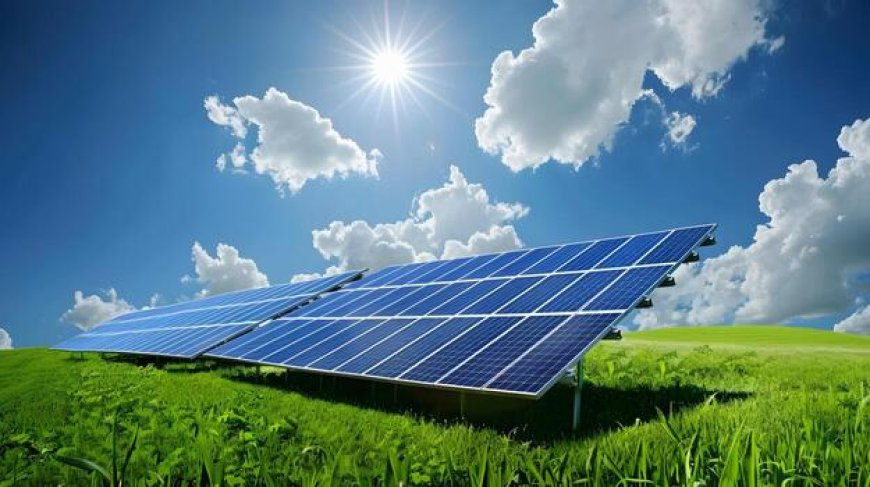
Introduction
Solar energy is becoming an increasingly practical choice for businesses, factories, commercial properties, and residential buildings seeking better control over electricity expenses. However, a successful solar project requires more than purchasing panels. It involves technical planning, equipment selection, electrical integration, safe installation, and performance testing.
Choosing a reliable solar EPC company in Kovilpatti can help property owners and businesses manage these requirements through a coordinated project approach. EPC stands for Engineering, Procurement, and Construction, which covers the essential stages of developing a solar power system.
Viryasys Technologies provides solar energy and engineering solutions for different project requirements. For organisations exploring renewable energy in Kovilpatti, understanding how EPC services work can help them plan an efficient and suitable solar installation.
What Is a Solar EPC Company in Kovilpatti?
A solar EPC company in Kovilpatti manages the major stages involved in developing and installing a solar power system. Instead of coordinating separate providers for design, equipment procurement, and construction, customers can work through an integrated project process.
The exact scope of work depends on the agreement, system size, site conditions, and project requirements.
Typical solar EPC activities include:
-
Site assessment and feasibility analysis
-
Solar system design and engineering
-
Equipment selection and procurement
-
Mounting structure installation
-
Electrical wiring and inverter integration
-
System testing and commissioning
-
Documentation and project handover
-
Maintenance planning and technical support
A coordinated approach can make project responsibilities clearer and help reduce avoidable delays caused by poor communication between different contractors.
Why Is Solar Energy Worth Considering in Kovilpatti?
Kovilpatti has residential properties, commercial establishments, and industrial operations with varying electricity requirements. Solar power may offer a useful way to generate electricity on-site when the property has suitable space and an appropriate energy consumption profile.
A solar EPC company in Kovilpatti can evaluate whether a solar system is suitable for a particular building or facility.
Potential advantages of solar energy include reduced dependence on grid electricity, better use of available rooftop or ground space, and opportunities to manage long-term energy costs. Solar projects may also support sustainability targets for organisations seeking to reduce their reliance on conventional electricity sources.
The actual benefits depend on several factors, including system capacity, sunlight availability, equipment efficiency, electricity tariffs, consumption patterns, and applicable grid arrangements. A proper feasibility assessment is essential before making an investment decision.
Engineering and Solar System Design
Engineering is one of the most important stages of a solar project. A system must be designed according to the site's physical conditions, electrical requirements, and financial objectives.
Site Survey and Feasibility Study
A professional solar EPC company in Kovilpatti should begin by reviewing the property's available space, electricity bills, shading conditions, roof structure, and electrical infrastructure.
For industrial sites, the assessment may also include load profiles, operating schedules, equipment requirements, and potential restrictions affecting construction.
This information helps determine whether the proposed project is technically suitable and what challenges need to be addressed before installation begins.
System Capacity and Layout Planning
Solar capacity should be selected according to energy consumption and available installation space. Installing the largest possible system is not always the most economical decision.
The design should consider expected electricity generation, daytime demand, roof orientation, shading, inverter capacity, and future changes in consumption.
A clear proposal should explain the recommended system size and the assumptions used to estimate its performance.
Electrical Design and Safety
Solar installations require appropriate cables, connectors, protection devices, earthing arrangements, and inverter integration. The system must be designed and installed according to applicable technical and safety requirements.
Careful engineering can help minimise avoidable electrical risks and make future maintenance more straightforward.
Solar Equipment Procurement and Quality
Equipment selection influences the performance, durability, and maintenance requirements of a solar installation.
A solar EPC company in Kovilpatti should identify the proposed equipment and explain why it suits the project's technical requirements.
Solar Panels
Solar panels convert sunlight into electrical energy. Customers should review panel specifications, efficiency, applicable certifications, product warranties, and expected performance characteristics.
The best choice depends on the available space, project budget, environmental conditions, and system design.
Inverters
Inverters convert the direct current generated by solar panels into alternating current suitable for the intended electrical application.
The inverter must be compatible with the solar array and the site's electrical system. Monitoring capabilities, operating conditions, warranty coverage, and service availability should also be considered.
Mounting Structures and Electrical Components
Mounting structures secure the panels and must be appropriate for the roof or ground conditions. Cables, connectors, protection devices, and other balance-of-system components also require suitable specifications.
Customers should request an itemised equipment list so they can understand exactly what is included in the project.
Solar EPC Services for Commercial Buildings
Commercial buildings such as offices, retail stores, warehouses, hotels, and educational institutions may use considerable electricity throughout the day.
A solar EPC company in Kovilpatti can assess whether rooftop solar could offset part of this consumption. The assessment should consider electricity bills, building operations, roof space, electrical infrastructure, and planned expansion.
Commercial solar projects need to be organised carefully to avoid unnecessary disruption to daily operations. Installation schedules, safe access, equipment placement, and electrical integration should be discussed before work begins.
Businesses should also evaluate the financial case for solar. A realistic assessment should include project costs, expected generation, electricity tariffs, maintenance expenses, and the proportion of solar power likely to be consumed directly.
Industrial Solar EPC Solutions
Industrial facilities often have larger electricity loads and more complex technical requirements than residential properties. Their solar projects may involve detailed engineering, multiple electrical connections, structural checks, and coordination with existing operations.
A solar EPC company in Kovilpatti can help industrial customers evaluate rooftop or ground-mounted installations based on the site's available space and energy requirements.
Matching Solar Generation With Factory Demand
Understanding when a factory consumes electricity is important when planning solar capacity. If a significant proportion of demand occurs during daylight hours, the facility may be able to use more of the electricity generated by its solar system.
Energy assessments can help identify suitable system sizes and estimate potential benefits. Where demand changes significantly throughout the day, scenario analysis may help improve project planning.
Solar Projects for Manufacturing Facilities
Manufacturing facilities should consider structural conditions, machinery loads, electrical protection, access requirements, and operational schedules before construction.
For larger projects, an integrated EPC process can help coordinate engineering, procurement, installation, testing, and commissioning. The project scope should clearly define responsibilities, timelines, quality checks, and handover requirements.
Viryasys Technologies works across solar energy and engineering solutions, making technical planning and coordinated project execution important considerations for customers evaluating their solar options.
Understanding the Solar EPC Project Process
Knowing the main project stages helps customers understand what to expect from a solar EPC provider.
Stage One: Consultation and Site Assessment
The provider reviews energy requirements, property conditions, budget, and project objectives. The findings are used to determine whether the proposed installation is feasible.
Stage Two: Engineering and Proposal
The provider prepares a system design, equipment specification, installation scope, and project estimate. Expected generation and financial benefits should be explained using realistic assumptions.
Stage Three: Procurement and Installation
After approval, equipment is sourced and installation work is scheduled. Mounting, panel placement, wiring, inverter integration, and electrical protection are completed according to the project design.
Stage Four: Testing and Commissioning
The completed system undergoes appropriate inspections and operational checks. Any required utility approvals, metering arrangements, and grid connection procedures should be clarified and completed as applicable.
Stage Five: Handover and Support
The customer should receive relevant documentation, warranty information, operating guidance, and details of any maintenance services included in the agreement.
How to Choose the Right Solar EPC Company in Kovilpatti?
Selecting a provider requires careful evaluation of technical capability, project management, equipment quality, and after-sales support.
Review Relevant Experience
Ask whether the provider has experience with projects of a similar size and type. Residential rooftops, commercial buildings, and industrial solar plants can require different design and execution capabilities.
Compare Detailed Proposals
Review system capacity, equipment specifications, installation scope, estimated generation, project timeline, exclusions, and payment terms. Comparing proposals on a like-for-like basis makes the decision more meaningful.
Check Warranties and Documentation
Understand the warranties that apply to panels, inverters, workmanship, and other equipment. Confirm which documents will be provided after commissioning.
Understand Safety Practices
Ask how the installation team manages electrical safety, rooftop access, structural requirements, and quality inspections.
Clarify After-Sales Service
Find out how equipment faults are handled, whether monitoring assistance is available, and what maintenance arrangements can be provided after installation.
A professional solar EPC company in Kovilpatti should be willing to explain the project clearly and help customers understand both its benefits and its limitations.
Solar Project Costs and Return on Investment
Solar EPC project costs depend on system capacity, equipment specifications, structural work, electrical integration, site accessibility, and the complexity of the installation.
The lowest quotation may not provide the best long-term value if it excludes essential components or offers limited support.
Before committing to a project, customers should request a detailed cost breakdown. The financial assessment should consider expected generation, electricity tariffs, self-consumption, ongoing maintenance, equipment warranties, and any applicable financing or incentive arrangements.
Savings and payback periods should be treated as estimates rather than guarantees. Actual performance may vary according to weather, system operation, electricity consumption, and changes in tariffs or regulations.
Solar System Maintenance and Monitoring
After installation, regular monitoring and appropriate maintenance help identify performance issues before they become more serious.
A solar EPC company in Kovilpatti should explain the recommended maintenance approach and any support included in the project agreement.
Useful practices include keeping panels clean according to professional guidance, checking monitoring data, arranging periodic inspections, and addressing unexpected reductions in generation.
Electrical components should only be inspected or repaired by appropriately trained personnel. Maintenance requirements will depend on the equipment, site conditions, and the type of solar installation.
Why Consider Viryasys Technologies?
Viryasys Technologies focuses on solar energy, energy storage, and engineering solutions for different applications. Its capabilities include solar systems and EPC-related services for commercial and industrial requirements.
For customers looking for a solar EPC company in Kovilpatti, the priority should be finding a solution that matches their actual energy needs, site conditions, technical requirements, and budget.
A well-prepared proposal should explain the system design, equipment, installation process, expected generation assumptions, project cost, and ongoing support options.
Viryasys Technologies can be considered by businesses and property owners exploring solar and related engineering solutions. A site-specific assessment is the appropriate starting point for determining the most suitable configuration.
Common Mistakes to Avoid in Solar EPC Projects
Solar projects can face unnecessary costs or performance issues when planning is rushed.
Common mistakes include:
-
Selecting system capacity without reviewing electricity consumption
-
Ignoring shading or structural limitations
-
Choosing equipment without checking specifications
-
Comparing quotations only by total price
-
Assuming guaranteed savings or fixed payback periods
-
Overlooking approvals and metering requirements
-
Failing to clarify warranty coverage
-
Neglecting maintenance and monitoring
Working with a capable solar EPC company in Kovilpatti can help customers review these factors before approving a project.
Conclusion
Solar power can help residential, commercial, and industrial customers generate electricity from a renewable source and improve their approach to energy management. However, successful implementation depends on sound engineering, appropriate equipment, safe construction, and proper commissioning.
Choosing a suitable solar EPC company in Kovilpatti gives customers a coordinated way to manage the main stages of their project. Before proceeding, review the technical proposal, project cost, warranties, approval requirements, and ongoing support arrangements.
Viryasys Technologies offers solar energy and engineering capabilities for different project needs. Starting with a detailed feasibility assessment can help property owners and businesses determine whether a solar installation is technically appropriate and financially worthwhile.
Frequently Asked Questions
What does a solar EPC company in Kovilpatti do?
A solar EPC company in Kovilpatti coordinates the engineering, equipment procurement, construction, installation, testing, and commissioning stages of a solar project according to the agreed scope.
What is the meaning of EPC in solar energy?
EPC stands for Engineering, Procurement, and Construction. It refers to an integrated approach in which the project provider manages the main technical and construction stages.
Can a solar EPC company handle industrial projects?
Yes. Solar EPC providers may support industrial installations, including engineering assessments, system design, equipment procurement, electrical integration, and commissioning, depending on their capabilities and project scope.
Is solar power suitable for commercial buildings in Kovilpatti?
Solar may be suitable for commercial buildings with appropriate roof space, electricity demand, and electrical infrastructure. A site assessment can help establish feasibility.
How much does a solar EPC project cost?
Costs depend on capacity, equipment, installation complexity, structural work, and electrical requirements. A detailed quotation based on the site is the best way to estimate the investment.
How long does a solar EPC project take?
The timeline depends on system size, site preparation, equipment availability, construction requirements, and applicable approvals. A project schedule should be provided after the initial assessment.
What should I check before selecting a solar EPC provider?
Review technical experience, equipment specifications, project scope, warranties, safety procedures, approval responsibilities, commissioning checks, and after-sales support.
Does a solar EPC company provide maintenance?
Maintenance and monitoring support depend on the provider and the contract. Confirm the services included before approving the project.
Can solar energy reduce factory electricity expenses?
Solar generation may offset part of a factory's electricity consumption. Actual savings depend on system capacity, consumption timing, electricity tariffs, and system performance.
Why is commissioning important in a solar project?
Commissioning involves checking the installed system to confirm that the relevant components operate as intended. Appropriate inspections and required connection procedures help prepare the system for normal operation.
What's Your Reaction?
 Like
0
 Dislike
0
 Love
0
 Funny
0
 Angry
0
 Sad
0
 Wow
0





