



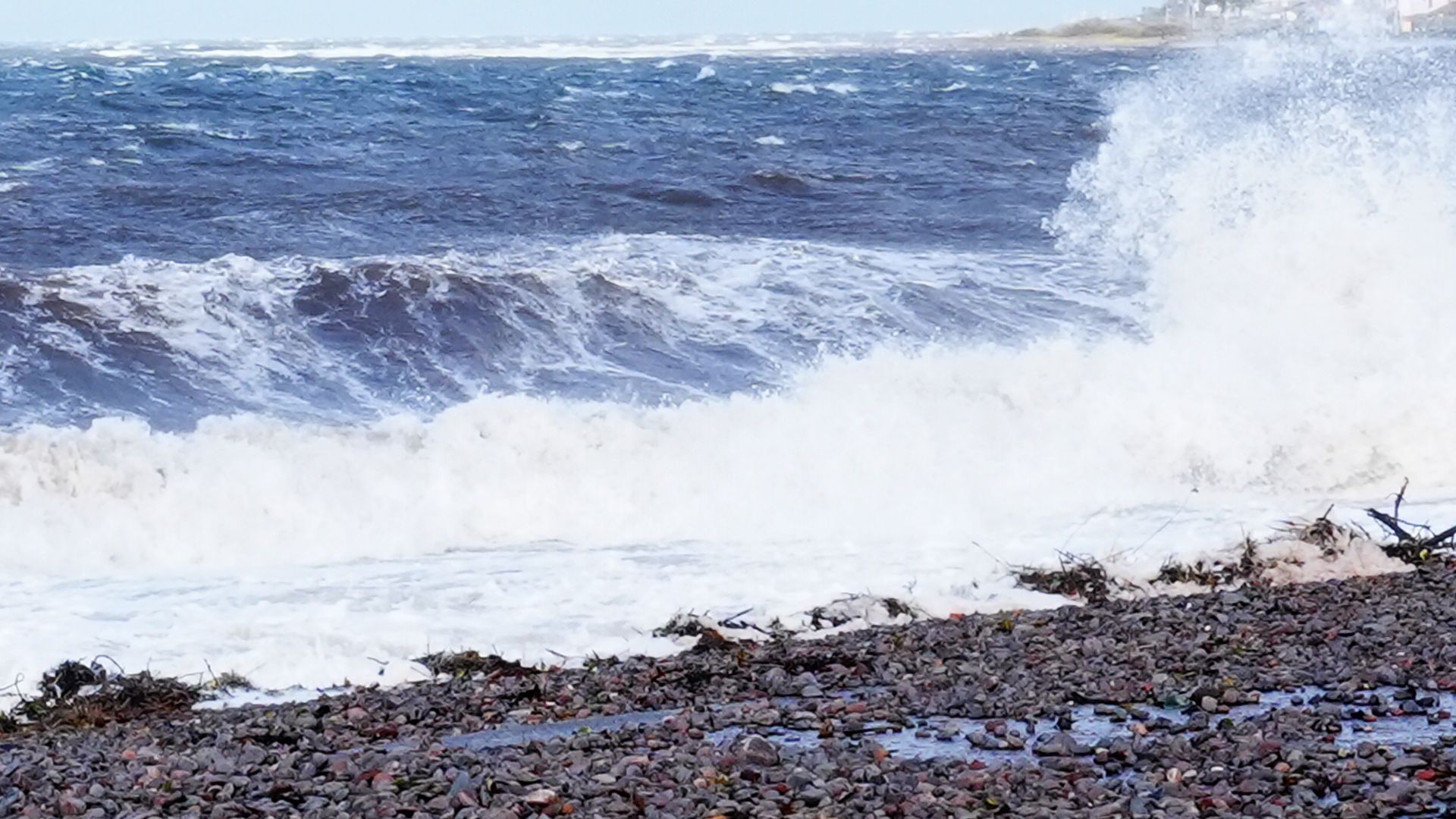






Thailand in the Rainy Season: Why 2026 Could Be the Year to Travel Differently
Discover why Thailand's rainy season could be worth experiencing in 2026, from lush landscapes and fewer crowds to better-value travel and unique destinations
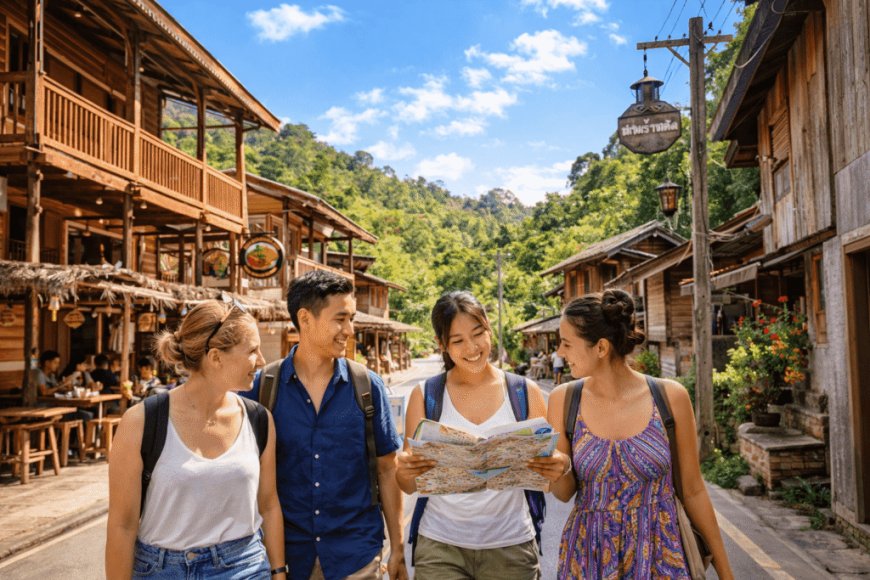
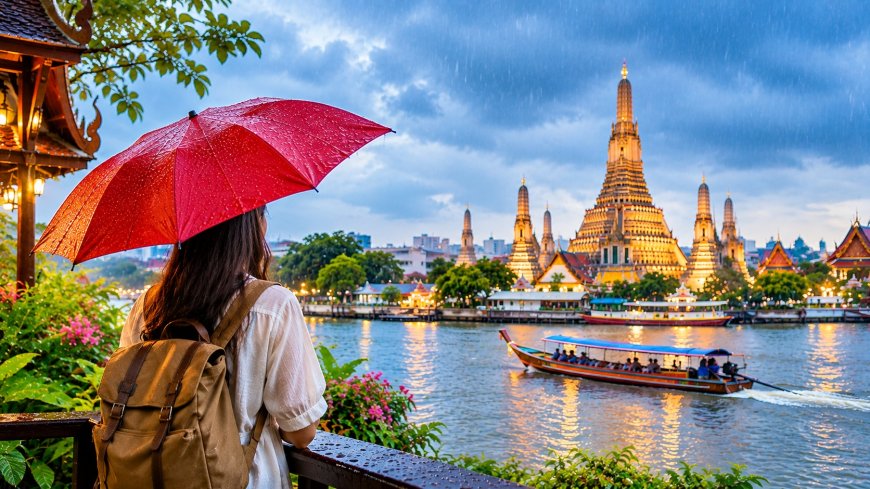
When most people picture Thailand, they imagine bright blue skies, palm-fringed beaches and endless sunshine. Bangkok temples glowing in the afternoon heat, long-tail boats cutting through turquoise water and travellers relaxing on tropical beaches.
But there is another side to Thailand that is often overlooked: the rainy season.
For travellers from the UK, the idea of visiting Thailand during the wet season may not immediately sound appealing. After all, many people travel thousands of miles hoping to escape British rain, not find more of it.
Yet Thailand's rainy season can offer something different. Landscapes become intensely green, waterfalls become more dramatic, mornings can bring atmospheric mist and some popular destinations feel noticeably quieter.
For travellers who are willing to exchange guaranteed sunshine for a more flexible and adventurous experience, 2026 could be an interesting year to see Thailand differently.
What Is Thailand's Rainy Season Actually Like?
Thailand's weather is influenced by seasonal monsoons, and the rainy season generally covers several months of the year. However, it is important not to think of the entire country as having the same weather at the same time.
In many parts of Thailand, the wet season brings short but sometimes heavy showers rather than continuous rain all day. You might have a tropical downpour in the afternoon and sunshine again a few hours later.
That unpredictability is actually part of the experience.
The Tourism Authority of Thailand describes the country's climate as having distinct rainy, cooler and hotter periods, with regional differences worth considering when planning a trip.
So instead of asking, "Will it rain in Thailand?", a better question might be: "Where in Thailand should I go during the rainy season?"
The Rain Can Make Thailand Even More Beautiful
One of the biggest surprises about travelling during the wet season is how dramatically the landscape can change.
Forests become lush and vibrant. Rice fields turn brilliant green. Waterfalls become fuller and more powerful, while mist can settle over mountains and valleys in the early morning.
Tourism Authority of Thailand has specifically highlighted several destinations that become particularly attractive during the rainy season, including Khao Sok, Kanchanaburi and mountainous areas where mist and greenery create a completely different atmosphere.
Khao Sok National Park is a great example.
Around Ratchaprapha Dam, towering limestone mountains rise from emerald-green water. During the rainy season, mist can hang around the peaks, creating an almost cinematic landscape.
It is not the postcard version of Thailand that you see everywhere online. In some ways, that is precisely what makes it memorable.
Khao Sok: Thailand's Green Season Showstopper
If your idea of Thailand involves more than beaches, put Khao Sok high on your list.
The region combines rainforest, limestone cliffs, waterways and wildlife. During wetter months, the surrounding vegetation becomes particularly lush, while rain and mist can add atmosphere to the landscape.
Imagine waking up in a floating accommodation on the lake, looking across the water towards mountains partly hidden by morning mist.
That is a very different kind of Thai holiday.
And it is one of the reasons travelling in the rainy season can appeal to people who want experiences rather than simply ticking off famous attractions.
Northern Thailand Has a Different Kind of Beauty
Northern Thailand can also reward rainy-season travellers.
Places such as Chiang Mai and the surrounding mountain regions become greener, while elevated areas can develop beautiful morning mist after rainfall.
In June 2026, the Tourism Authority of Thailand highlighted several "sea of mist" destinations, including Pang Ung, Phu Langka, Khao Kho and viewpoints in Phang Nga.
These places offer a slower side of Thailand.
Instead of spending every day moving between crowded attractions, you can explore mountain roads, visit local cafés, discover temples, walk through green landscapes and simply enjoy the scenery.
For travellers who prefer photography, nature and slower experiences, this can be especially rewarding.
But What About Thailand's Beaches?
This is where planning becomes important.
The rainy season does not affect every coastline in exactly the same way. Thailand has beaches and islands on both the Andaman Sea and the Gulf of Thailand, and their weather patterns can differ.
The Tourism Authority of Thailand notes that September, for example, can still see monsoon conditions lingering around the Andaman Sea, while the Gulf of Thailand can offer different possibilities.
The lesson is simple: don't assume that a rainy-season trip means abandoning the beach.
Instead, research the particular island or coastline you want to visit and check the seasonal conditions before booking.
Some islands, national parks and marine attractions may also close temporarily during rougher weather for safety or environmental reasons. For example, some island national parks in the Andaman region close during part of the monsoon season.
Flexibility matters.
Fewer Crowds Can Change the Experience
There is another reason to consider travelling outside Thailand's traditional peak season: the atmosphere.
Popular attractions can feel very different when there are fewer visitors around.
You may have more time to explore a temple without feeling rushed. A small restaurant can feel more relaxed. A mountain viewpoint may be quieter. Even simply walking through a market can become more enjoyable when you are not constantly navigating large groups of tourists.
This doesn't mean everywhere will be empty. Thailand remains a hugely popular destination throughout the year.
But travelling during a less conventional period can give you opportunities to experience places at a slower pace.
And There May Be Better Value Too
Rainy-season travel can also make financial sense for travellers who are flexible.
Tourism Authority of Thailand has pointed out that rainy-season destinations can offer lower accommodation prices compared with busier periods.
For UK travellers, this can be particularly interesting because the cost of a long-haul holiday adds up quickly.
Instead of spending your entire budget on peak-season accommodation, travelling at a different time may allow you to put more money towards experiences — perhaps a better hotel, a cooking class, a guided nature trip or an extra few days exploring the country.
Of course, prices vary by destination, dates and demand, so it is worth comparing the complete trip rather than assuming the rainy season will automatically be cheaper.
The Secret Is to Build a Flexible Itinerary
The biggest mistake would be planning a rainy-season Thailand trip exactly like a dry-season holiday.
Don't fill every day with activities that depend on perfect weather.
Build some flexibility into your itinerary.
If you are staying in Bangkok, for example, have museums, markets, restaurants and cultural attractions available for wet afternoons. If you are visiting the north, combine outdoor adventures with cafés, temples and cultural experiences.
And if you are heading to the islands, keep an eye on local weather conditions and transport schedules.
The more flexible you are, the less likely a few hours of rain will disrupt your holiday.
A Different Way to Think About Thailand
Perhaps the biggest reason to consider Thailand during the rainy season in 2026 is that travel does not always have to follow the same formula.
There is nothing wrong with a perfect beach holiday under cloudless skies.
But Thailand has far more to offer than beaches.
It has misty mountains, ancient temples, rainforest, waterfalls, street food, markets, wildlife, fascinating traditions and small communities that are easy to overlook when following the classic tourist route.
The rainy season simply gives you an opportunity to experience some of these things differently.
Planning Your Trip from the UK
If you're considering Thailand for 2026, start by looking beyond the headline destination and think about what kind of experience you actually want.
Do you want beaches and island life? Mountains and nature? Food and culture? Or a mixture of everything?
Then compare flight options, travel dates and arrival points before building your itinerary.
For UK travellers, it is worth comparing different flight options to Thailand rather than automatically choosing the first convenient itinerary you find. You can compare flights to Thailand from the UK while considering your preferred travel dates and destination.
The key is to treat the rainy season as part of the adventure rather than something to endure.
Thailand may not give you perfect weather every day.
But it might give you something more interesting: greener landscapes, dramatic skies, quieter moments and experiences that feel a little less predictable.
And sometimes, travelling differently is exactly what makes a trip unforgettable.
What's Your Reaction?
 Like
0
 Dislike
0
 Love
0
 Funny
0
 Angry
0
 Sad
0
 Wow
0