The Hands On Reality of a Chiang Mai Ethical Elephant Care Experience
What a Chiang Mai ethical elephant care experience actually involves — hands on feeding, walking, bathing, and the welfare standards that make it genuinely ethical.
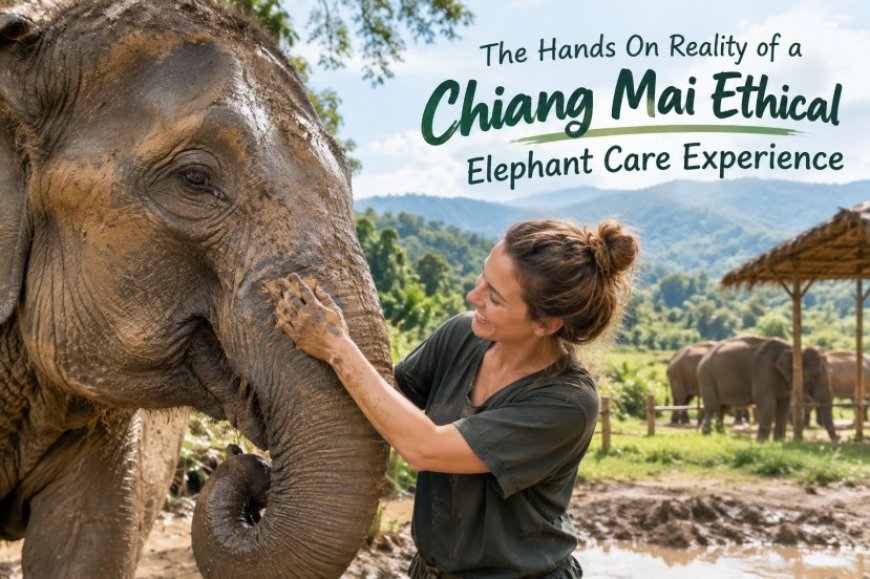
A Chiang Mai ethical elephant care experience is one of the most rewarding day trips in northern Thailand precisely because it is not a passive tour. Rescued elephants, working mahouts, feeding, walking, and bathing the herd — the day is genuinely hands on in a way most tourist activities in Thailand are not. This guide covers exactly what the hands on elements involve, and what makes an ethical care experience genuinely different from standard elephant tourism.
What Hands On Actually Means Here
Ethical care experiences are structured around visitor participation rather than observation. You are not watching a show or riding an animal. You are working alongside the mahouts in the animals' natural roaming area, following their pace, and directly contributing to their day.
• Preparing the elephants' morning food from fresh fruit and vegetables
• Hand feeding the elephants under the mahouts' guidance
• Walking alongside the herd through the forest
• Bathing the elephants in the river and joining in mud baths
• Learning basic behavioural signals and commands
• Observation time in the natural roaming area
The Ethical Standards That Define a Proper Sanctuary
The word 'ethical' gets used loosely in Thai elephant tourism marketing. A genuinely ethical sanctuary meets specific welfare standards:
|
Standard |
Ethical Sanctuary |
What to Avoid |
|
Riding |
No riding under any circumstances |
Any sanctuary that offers riding |
|
Performances |
No shows or trained tricks |
Circuses, paintings, football shows |
|
Restraints |
No bullhooks during visits |
Handlers using chains or hooks |
|
Enclosures |
Spacious naturalistic areas |
Concrete pens or chained holding |
|
Backgrounds |
Published elephant histories |
No transparency on animal origins |
|
Visitor ratios |
Small groups per elephant |
Crowds of thirty or more at once |
|
Focus |
Feeding, walking, bathing |
Constant physical interaction |
The Day Hour by Hour
A typical Chiang Mai ethical elephant care experience day looks like this:
• 7:30am to 8:30am — Hotel pickup and drive into the mountains
• 8:30am to 9:00am — Arrival, briefing, meeting the herd
• 9:00am to 10:30am — Feeding and morning observation
• 10:30am to 12:00pm — Forest walk alongside the herd
• 12:00pm to 1:00pm — Traditional Thai lunch at the sanctuary
• 1:00pm to 2:30pm — River bathing and mud baths
• 2:30pm to 3:30pm — Free observation and photography
• 3:30pm to 5:00pm — Return drive to Chiang Mai
Why the Hands On Format Matters
Simply watching elephants from a viewing platform is one experience. Working alongside them for a full day is another entirely. The hands on format matters because:
• The elephants respond to gentle, respectful interaction rather than passive observation
• Visitors build a genuine connection with individual animals rather than a general zoo experience
• Direct participation supports the sanctuary's welfare and rehabilitation programmes
• Children learn hands on that animals are not entertainment, they are individuals
• The physical experience of bathing an elephant is one visitors remember for years
The Welfare Impact of Your Choice
Booking with a genuine ethical sanctuary contributes real value beyond your own enjoyment:
• Direct financial support for rescued and rehabilitated elephants
• Employment for local Karen and Hmong communities
• A working model for how ethical wildlife tourism operates sustainably
• Ongoing pressure on unethical operators to raise welfare standards
• Educational impact for travellers who take the ethical message home
Who a Hands On Elephant Care Day Suits
• Animal welfare focused travellers who want to actually make a difference
• Families with children old enough to appreciate the depth of the experience
• Couples on a first Thailand trip wanting a genuinely memorable day
• Photographers wanting extended unhurried time with the herd
• Multi generation groups where the slower pace suits older travellers
• Solo travellers wanting a structured meaningful day rather than a tourist experience
What to Wear and Bring
The day gets muddy and wet. Preparation matters:
• Clothes you do not mind getting muddy, wet, and stained
• A complete change of clothes for the journey back
• Closed shoes rather than sandals for the forest walk
• Sunscreen, insect repellent, hat, reusable water bottle
• Dry bag for phones and cameras during river bathing
• Small tip in Thai baht for the mahouts if you enjoyed the day
Booking Your Chiang Mai Ethical Elephant Care Experience
Book a Chiang Mai ethical elephant care experience two to four weeks ahead, or six weeks or more for the high season. Be Your Guides works with sanctuaries that meet genuine welfare standards, and the day is arranged as a full private experience rather than a shared group visit. Confirm the specific sanctuary, welfare standards, and day inclusions in writing before paying.
Common Questions About Elephant Care Experiences
A few questions that regularly come up before booking:
• Is direct contact with elephants safe? Yes, when arranged by experienced mahouts at proper welfare sanctuaries with clear behavioural protocols
• What age is appropriate for children? Most sanctuaries welcome children of any age but the experience is most rewarding for children of about six and above
• Are there physical fitness requirements? None significant — the walk is gentle and the bathing is at your own pace
• Can pregnant travellers participate? Yes, though the river bathing element is often skipped for balance and safety
• Are meals included? Yes, a traditional Thai lunch is standard at the sanctuary
• What if I have mobility limitations? Confirm at booking — some sanctuaries have better accessibility than others
• How muddy does the day actually get? Very. Bring genuine change of clothes and a bag for the wet ones
• Are cameras welcome? Yes throughout, though flash is discouraged around the elephants
Why Ethical Tourism Choices Matter Long Term
The Thai elephant tourism industry has evolved significantly over the past decade. Ethical sanctuaries were rare fifteen years ago. Today they are the dominant model in Chiang Mai. This shift happened because visitors began asking questions and choosing carefully. Continuing to make ethical choices matters for several reasons:
• Every ethical booking removes revenue from unethical operators
• Growing demand for ethical operations makes welfare standards commercially viable
• Rescued elephants require ongoing financial support for their remaining lives
• Local Karen and Hmong communities benefit from sustainable ethical tourism income
• The success of Chiang Mai's ethical sanctuaries influences elephant tourism across Thailand
A day at a proper ethical care sanctuary is one of those experiences that stays with travellers for years afterwards. The elephants remember every visitor. Most visitors, in return, remember every elephant.
What's Your Reaction?
 Like
0
 Dislike
0
 Love
0
 Funny
0
 Angry
0
 Sad
0
 Wow
0