















The Role of Art in Modern Interior Design
Explore how art, sculptures, lighting and furniture shape modern interiors, with insights from luxury interior designers and art curators in Gurgaon.

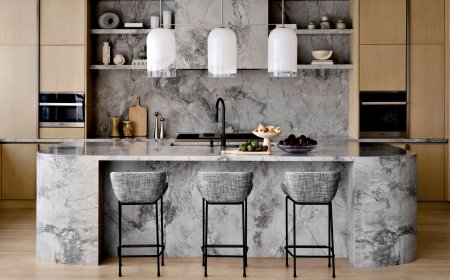
Modern interior design is about more than selecting furniture, colours, and finishes. Art can also shape the character of a space, add visual interest, and reflect the personality of the people who live there. From paintings and photographs to sculptures and installations, the right artwork can bring together different elements of an interior.
As homeowners look for spaces that feel personal and meaningful, art is becoming an important consideration during the design process. Understanding how artwork interacts with space, light, furniture, and architecture can help create interiors that feel balanced rather than simply decorated.
Why Art Matters in Interior Design
Art can influence the atmosphere of a room without changing its basic structure. A large painting may become the focal point of a living room, while smaller pieces can add detail to a hallway, bedroom, or study.
However, adding artwork does not mean filling every available wall. The surrounding space is equally important. Leaving enough visual breathing room can help a piece stand out and prevent the room from feeling crowded.
Choosing Artwork Based on the Space
The size and proportions of a room should be considered before selecting artwork. A large wall may require a substantial piece or a carefully arranged collection, while a smaller room may benefit from artwork with a lighter visual presence.
Colour is another consideration. Artwork does not necessarily need to match the room. A contrasting shade can introduce interest, while colours that appear elsewhere in the space can help create visual continuity.
Texture and material also contribute to the overall effect. A canvas painting, metal sculpture, ceramic piece, or photographic work can each create a different relationship with the surrounding furniture and finishes.
The Connection Between Art and Interior Design
Art works best when it is considered alongside the rest of the interior. The furniture arrangement, wall finishes, lighting, flooring, and architectural details can all influence how a piece is experienced.
This is one reason homeowners often look at the work of luxury interior designers in Gurgaon when planning sophisticated residential spaces. An integrated approach allows artwork to be considered as part of the overall composition instead of being added after the interior is finished.
The objective is not necessarily to make every element match. Instead, different pieces should have a sense of relationship through scale, colour, material, form, or placement.
The Role of Sculptures
Sculptures can add another dimension to an interior because they can be viewed from different angles. They may work well in entryways, living areas, niches, consoles, or larger open spaces.
The position of a sculpture matters as much as the piece itself. It should have enough surrounding space to be appreciated and should not interfere with movement through the room.
The material can also influence the mood. Stone, metal, wood, glass, and ceramic sculptures each bring different textures and visual qualities to an interior.
How Art Reflects Personal Taste
A well-designed home should reflect the people who use it. Artwork selected purely because it is fashionable may not have the same lasting relevance as pieces connected to personal interests, memories, or artistic preferences.
An art consultant can help with practical considerations such as scale, placement, combinations of different works, and how individual pieces relate to the interior. For homeowners searching for an art consultant in Gurgaon, understanding these factors can make the selection process more structured and purposeful.
Personal preference should remain central. Professional guidance can support the decision, but the final collection should feel relevant to the people who experience the space every day.
The Importance of Lighting
Lighting can significantly change how artwork appears. Natural light can alter the way colours look at different times of the day, while focused lighting can highlight a particular painting or sculpture.
Artwork should also be positioned carefully when exposed to strong sunlight, as certain materials and colours can be sensitive to prolonged exposure.
Adjustable lighting can provide greater flexibility and allow artwork to remain visible without creating excessive glare or shadows.
Creating Balance Between Art and Furniture
Furniture and artwork should be considered together when planning an interior. A strong statement piece may work best with simpler furniture around it, while a room with detailed furniture and accessories may benefit from more understated artwork.
Scale is particularly important. Artwork placed above a sofa, console, or bed should relate appropriately to the furniture beneath it. Similarly, sculptures should be proportional to the surfaces and spaces where they are displayed.
This balanced approach is often part of the planning process followed by luxury interior designers in Gurgaon, particularly when working with larger residential interiors where artwork and furniture need to work together.
Art as Part of a Complete Interior
Art does not have to be treated as the final decorative layer of a home. When considered during the design process, it can influence colour choices, furniture placement, lighting, and even the way different areas of a home connect visually.
For those looking for an art curator consultant in Gurgaon, the focus can be on creating a collection that works with the architecture while still maintaining an individual identity.
Ultimately, there is no single formula for choosing artwork. The most effective approach considers the space, proportions, materials, lighting, lifestyle, and personal taste together. When these elements are thoughtfully balanced, art can become an integral part of the interior rather than simply something displayed on a wall.
What's Your Reaction?
 Like
0
 Dislike
0
 Love
0
 Funny
0
 Angry
0
 Sad
0
 Wow
0





