

























The U.S. Barber Service Demand Report on Fades, Beard Care, and Grooming
Explore U.S. barber service demand for fades, beard care, and grooming, including repeat-service patterns and changing men's grooming expectations.

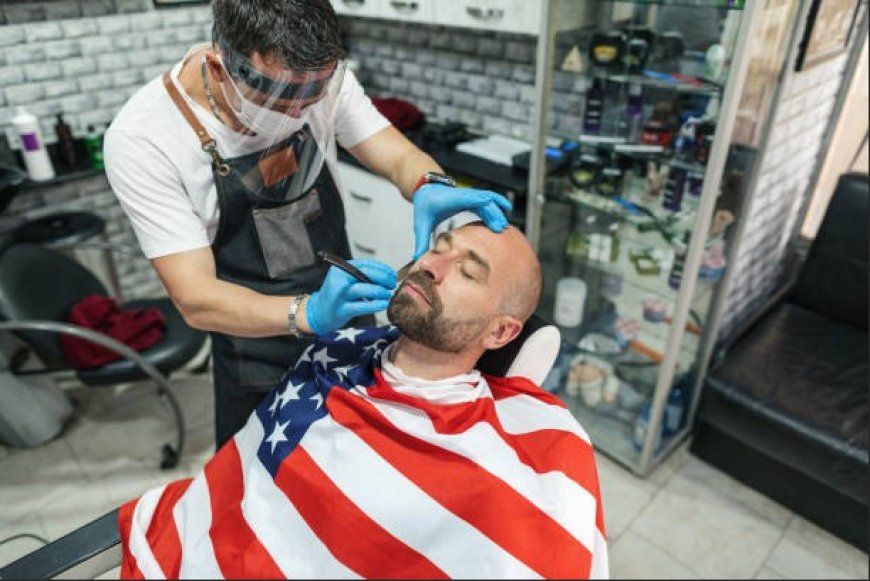
Barbershops in the United States have moved well beyond the simple choice between a short cut and a trim. Clients now arrive with reference photos, precise fade preferences, beard-shape expectations, and clear ideas about how polished they want to look between visits. At the same time, social media, workplace presentations, and changing attitudes toward men's appearance have made grooming more visible in everyday life.
Barber service demand, therefore, reflects more than just haircut frequency. Let’s look closely at fades, beard maintenance, and broader grooming habits to understand how modern clients are shaping appointment patterns and what services are becoming central to today's American barbershop experience.
Key Takeaways
-
Fades support frequent maintenance visits.
-
Beard care adds repeat-service opportunities.
-
Combined grooming improves convenience.
-
Precision encourages consistent upkeep.
-
Local markets shape service demand.
How Fades, Beard Care, and Grooming Are Shaping U.S. Barber Service Demand
-
Fades Encourage Regular Maintenance
Fades are particularly suited to recurring appointments because their appearance depends on controlled transitions between different hair lengths. A skin fade, low fade, mid fade, or taper can look sharply defined immediately after an appointment, but new growth gradually softens the contrast.
This is one reason barber service demand remains closely tied to fade maintenance. Clients who prioritize a consistently polished appearance may return more frequently than someone wearing a longer style with less visible growth.
Common maintenance-driven requests include:
-
Cleaning the neckline
-
Reestablishing the fade transition
-
Sharpening temple areas
-
Refining sideburns
-
Restoring a clean hairline
The service is not simply about shortening hair. The visual precision of the fade itself creates the reason for regular maintenance.
-
Beard Care Adds Another Service Layer
Beard grooming has expanded the role of the barber appointment. Clients may want facial hair shortened, but many are equally concerned with cheek lines, neckline placement, symmetry, density, and how the beard works with the haircut.
A beard service can involve:
-
Length control
-
Neckline cleanup
-
Cheek-line definition
-
Mustache detailing
-
Shape correction
-
Blending sideburns into the haircut
This makes beard care a natural companion to haircut appointments.
Instead of treating facial hair as an afterthought, many clients now consider the haircut and beard as one coordinated look. That shift can increase the importance of combined services while giving barbers another reason to build repeat relationships.
-
Grooming Routines Are Expanding
Changes in men's grooming habits extend beyond the barbershop. Mintel's 2025 men's grooming analysis found that men's skincare product launches increased 14.7%, while men's hair-treatment and colorant launches rose 12.3% over the preceding three years.
Those product figures do not directly measure appointments, but they help explain the broader environment surrounding barber service demand. Clients who pay greater attention to hair, skin, beard condition, and overall appearance may also approach professional grooming with more specific expectations.
That can translate into more detailed conversations about finish, styling, beard shape, and maintenance rather than a simple request for a haircut.
-
Combined Services Increase Convenience
In U.S. barbershops, convenience can influence how clients structure their grooming appointments. Someone booking a fade may also add a beard trim, a line-up, an eyebrow cleanup, or a styling service, rather than returning on separate days.
Combined appointments can be especially useful before:
-
Weddings
-
Job interviews
-
Professional photographs
-
Vacations
-
Dates
-
Formal events
This approach allows clients to address multiple grooming needs in a single visit, which can be practical in busy urban and suburban markets.
For barbers, the opportunity is not to add services unnecessarily, but to recognize when a bundled appointment genuinely matches the client's schedule and grooming goals.
-
Precision Influences Repeat Visits
Across U.S. markets, highly structured styles often require more maintenance because even small amounts of growth can change the finished appearance. Bald fades, sharp lines, sculpted beards, and defined edges may therefore encourage shorter intervals between visits than looser hairstyles do.
This helps explain why barber service demand can remain closely connected to precision. Clients who prefer a consistently sharp finish may quickly notice softened transitions or uneven beard lines.
Repeat clients also tend to expect the same fade height, beard proportions, neckline, and overall finish each time. Recording these preferences can help U.S. barbers provide more consistent results and make recurring appointments more efficient.
-
U.S. Markets Can Differ
Demand can vary considerably by neighborhood and customer base. A downtown shop serving office workers may see stronger weekday and after-work traffic, while suburban locations may depend more heavily on evenings and weekends.
College neighborhoods, military communities, entertainment districts, and culturally diverse urban markets can also produce different preferences for fades, beard styles, and appointment frequency.
Barbers should therefore avoid assuming that one national trend automatically reflects every local market.
Useful local indicators include:
-
Most frequently booked services
-
Peak appointment days
-
Average time between repeat visits
-
Common service combinations
-
Seasonal changes in appointment volume
These patterns can show which services actually drive demand within a specific U.S. market.
Conclusion
The U.S. grooming market shows why barber service demand is increasingly shaped by precision, maintenance, and broader appearance routines. Fades encourage repeat visits because clean transitions require upkeep, while beard services add shaping and detailing to the traditional haircut appointment. Combined services also make grooming more convenient for clients who want several needs handled at once.
At the same time, local demand can vary widely between downtown, suburban, college, military, and destination markets. The key takeaway is that demand is driven not by a single service, but by how haircut maintenance, beard care, consistency, convenience, and local preferences work together.
FAQs
How do barbering and hair styling services differ?
Traditional barbering often emphasizes shorter cuts, clipper work, fades, and facial hair, while hair stylist services may include a broader range of cutting, coloring, and styling options.
Are grooming businesses relevant at nail-focused industry gatherings?
Some larger nail events include wider beauty-industry education, networking, products, and business sessions that may also interest multi-service salon owners.
Can barbers promote services without relying only on social media?
Yes. Reviews, referral programs, local partnerships, booking platforms, and targeted salon advertising can help barbers reach clients through several channels.
Do clients need to bring grooming products to barber appointments?
Usually not. Professional shops generally provide the necessary products and tools, although clients may bring their preferred beauty accessories.
Why do some fades require more frequent appointments?
Very short fades reveal growth and softened transitions quickly, so clients who prefer a consistently sharp appearance may choose shorter maintenance intervals.
What's Your Reaction?
 Like
0
 Dislike
0
 Love
0
 Funny
0
 Angry
0
 Sad
0
 Wow
0




