















Tirzepatide Peptide UK: What Lies Behind a High-Purity Claim?
A purity figure can look reassuring when you look at it for the first time. A reported 99% may suggest that the material is exactly what a researcher expects, but the number itself leaves several questions unanswered.
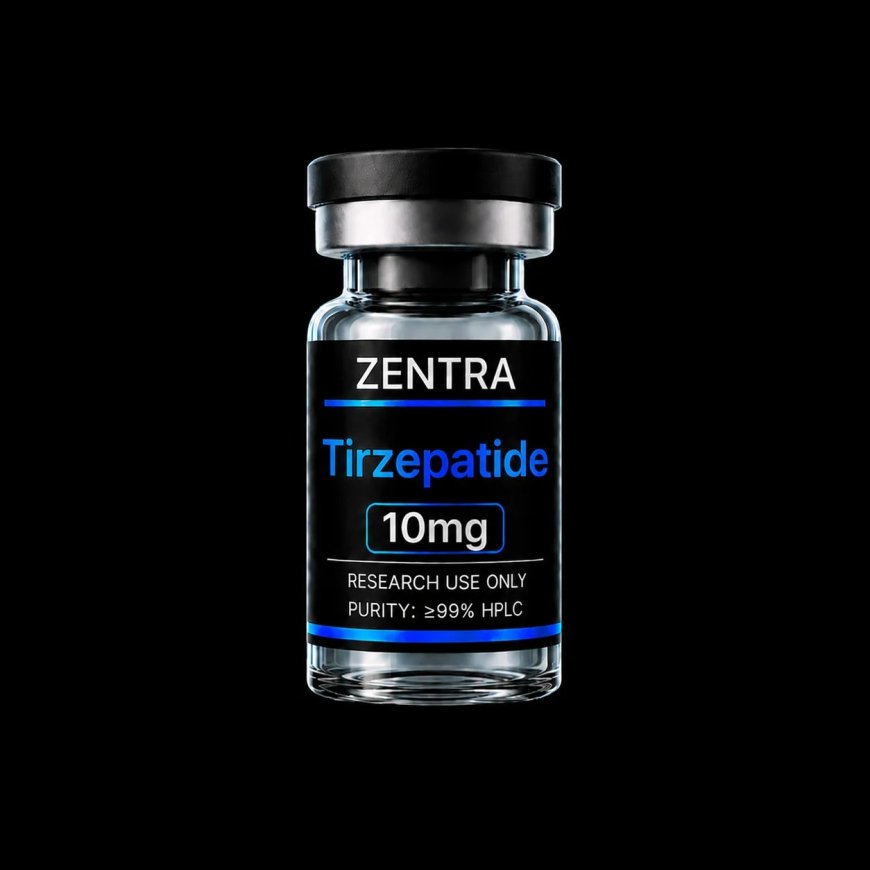
A purity figure can look reassuring when you look at it for the first time. A reported 99% may suggest that the material is exactly what a researcher expects, but the number itself leaves several questions unanswered. How was it measured? Does the result belong to the batch received? Was identity confirmed separately? When a researcher is sourcing tirzepatide peptide in the UK, those details matter because analytical documentation provides the context behind the percentage.
A useful COA should tell a clearer story about the material, its testing, and its traceability. This guide looks beyond the headline figure to examine what that high-purity claim actually represents.
What Does a High-Purity Percentage Actually Tell You?
A high-purity figure tells you something useful, but it does not tell the whole story. The number needs to be seen alongside the method used to produce it and the material that was actually tested.
● A reported percentage generally represents how much of the analysed sample corresponds to the intended peptide under the stated testing method.
● The remaining fraction may represent related substances, synthesis by-products, degradation products or other components detected during analysis.
● A figure such as 99% can therefore provide useful information about chromatographic purity without establishing every other characteristic of the sample.
● The testing method itself deserves attention. Differences in analytical conditions can affect how closely components are separated and how the resulting figure is calculated.
● Another important point is that the percentage should have a clear connection to the specific batch being supplied. Without that link, even an impressive number gives researchers less information to work with.
For anyone who is sourcing tirzepatide peptide in the UK for research, the more useful question is not simply whether the percentage looks high. It is what evidence is exhibited by that percentage.
What Should Researchers Ask Before Using Tirzepatide Research Material?
Before a research sample reaches the experimental stage, a few simple questions can reveal how much information is behind the product. The answers can help researchers assess the material, its documentation, and how confidently the reported results can be traced back to it.
Does the COA Belong to the Batch Received?
The batch number should relate the certificate to the specific material supplied. A generic report covering several production runs gives far less confidence than documentation tied to the actual lot.
What Testing Has Been Performed?
Look for clearly stated analytical methods. This could include HPLC purity analysis and identity confirmation through mass spectrometry where provided. The testing laboratory and analysis date also add useful context to the reported results.
How Was the Material Stored?
Testing is only part of the picture. Researchers should also understand how the material was stored and handled after analysis, particularly where controlled low-temperature conditions are specified.
Is the Documentation Clear Enough to Review?
A useful supplier should make relevant batch information, analytical results, and research-use designations available. If key details are vague or missing, that is worth clarifying before the material becomes part of the research process.
Conclusion
A high-purity figure is useful, but it becomes far more meaningful when researchers can see the evidence supporting it. Batch-specific documentation, appropriate analytical testing, identity confirmation, and careful storage all contribute to a clearer picture of the material. Thus, taking a few minutes to review those details before proceeding can help researchers make more informed decisions about the samples entering their laboratory work.
What's Your Reaction?
 Like
0
 Dislike
0
 Love
0
 Funny
0
 Angry
0
 Sad
0
 Wow
0