















Top Natural Living Trends Shaping Healthier Everyday Choices in 2026

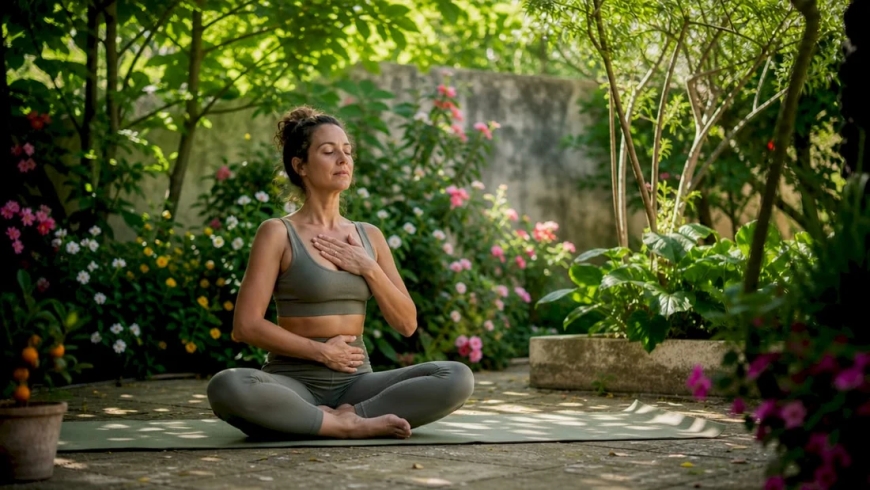
Natural living is becoming a practical lifestyle choice for people who want to spend more time outdoors, reduce unnecessary consumption, grow some of their own food, and make more thoughtful decisions about everyday products. The idea is not about rejecting modern life. Instead, it is about bringing useful elements of nature into daily routines while making choices that are realistic and affordable.
Interest in nature-based living is also supported by health research. The World Health Organization notes that exposure to natural environments is associated with physical and mental health benefits, including opportunities for physical activity, relaxation, social interaction, and stress reduction.
At the same time, sustainability is becoming connected with personal well-being. Recent consumer research suggests that people increasingly view sustainable choices through the lens of health, everyday comfort, and responsible consumption rather than environmental concerns alone.
Natural living can include simple habits such as:
-
Spending regular time in green spaces.
-
Growing herbs, vegetables, or flowers.
-
Choosing reusable products.
-
Reducing unnecessary purchases.
-
Eating more seasonal foods.
-
Walking or cycling for suitable journeys.
-
Bringing plants and natural light into the home.
-
Reducing household waste.
-
Supporting local food systems.
-
Learning practical outdoor skills.
The important point is consistency. Natural living does not require a complete lifestyle change. Small habits can gradually become part of normal daily life.
More Time in Nature Is Becoming Part of Everyday Wellness
Urban lifestyles can involve long working hours, traffic, indoor environments, and extended screen use. Spending time outdoors provides a simple way to add movement and a change of surroundings to the day.
The WHO reports that natural environments can support physical activity, social interaction, relaxation, mood, and cognitive function. Green spaces, forests, parks, and areas around water can therefore contribute to healthier communities.
A nature-focused routine does not have to involve long trips. Local parks, gardens, walking paths, lakes, beaches, and tree-lined streets can provide accessible opportunities.
Useful habits include:
-
Taking a short morning walk.
-
Spending lunch breaks outdoors.
-
Visiting a nearby park after work.
-
Gardening at home.
-
Walking with family or friends.
-
Taking weekend nature trips when practical.
-
Sitting outdoors without constantly checking a phone.
-
Choosing shaded walking routes during hot weather.
Nature-based recreation is also being studied in relation to urban health. Research published in 2026 notes that outdoor and natural environments can support physical activity, mental health, social connection, and environmental awareness. It also highlights the need to consider heat exposure when planning outdoor activities in warming cities.
This is especially relevant in warmer regions. Outdoor activities should be planned around local weather conditions, hydration needs, shade, air quality, and personal health.
There is also no need to treat nature as a replacement for healthcare. Spending time outdoors can support general well-being, but it should not be presented as a treatment for a medical condition.
A useful goal is simply to make nature a regular part of the week.
For people living in apartments, indoor plants, balconies, community gardens, and visits to public green spaces can provide practical alternatives. Even small connections with natural environments can make a routine feel less confined to screens and indoor spaces.
Natural Food and Home Gardening Are Gaining Attention
Food is another important part of natural living. Many people are becoming more interested in seasonal produce, local food, home gardening, herbs, and less processed meal choices.
This does not mean that every packaged food is unhealthy or that everyone needs to grow their own vegetables. The more realistic approach is to increase variety and make nutritious foods a regular part of meals.
A practical natural-food routine can include:
-
Adding more vegetables to everyday meals.
-
Eating a variety of fruits.
-
Using fresh herbs where available.
-
Including suitable whole grains.
-
Choosing appropriate sources of protein.
-
Reducing unnecessary food waste.
-
Buying seasonal produce when practical.
-
Preparing more meals at home.
Biodiversity is closely connected to food systems. The WHO notes that nature supports food production, water supplies, medicines, climate regulation, and other ecosystem services. Biodiversity loss can therefore affect food systems and human health.
Home gardening is a simple way to understand this connection. Growing herbs such as coriander, mint, basil, or curry leaves can provide fresh ingredients while also creating a reason to spend time outdoors.
A small garden can also teach useful lessons about soil, water, insects, weather, and seasonal changes.
For people with limited space, container gardening can be an option. Pots on balconies, windowsills, or small outdoor areas can support herbs and selected vegetables when sunlight and growing conditions are suitable.
Gardening should also be approached realistically. Plants require appropriate soil, water, sunlight, and care. Not every plant will grow successfully in every climate.
Natural food choices also need to remain practical. Local availability and household budgets matter. Sustainable eating should not become a source of unnecessary financial pressure.
Reducing food waste can often be one of the easiest improvements. Planning meals, storing food properly, using leftovers, and buying quantities that the household can realistically consume can reduce unnecessary waste.
The broader idea is simple: understand where food comes from, use resources carefully, and build eating habits that support health and practicality.
Sustainable Consumption Is Becoming More Practical
Natural living also involves the way people buy, use, repair, and dispose of products.
Sustainability does not always require buying a new product labelled “eco-friendly.” In many cases, using an existing item for longer can be a more practical choice than replacing it.
Some useful habits include:
-
Repairing items instead of immediately replacing them.
-
Reusing containers and bags.
-
Avoiding unnecessary purchases.
-
Choosing durable products.
-
Buying only the amount needed.
-
Donating usable items.
-
Recycling according to local systems.
-
Reducing single-use products where practical.
-
Checking product claims before purchasing.
Recent research on nature-positive lifestyles highlights a shift toward sustainability, resilience, collective well-being, and reduced disposable consumption.
However, sustainable living can be difficult when products cost more or when alternatives are not easily available. Consumer research in 2026 also identifies cost as an important barrier to greener purchasing decisions.
That is why realistic sustainability matters.
A household does not need to replace every product with a premium alternative. Simple actions such as reducing waste, repairing useful items, using reusable products, and avoiding impulse purchases can make a difference.
Natural materials can also be useful in home design. Wood, cotton, bamboo, stone, clay, and other materials may appeal to people who prefer a more nature-connected environment. But material choice should also consider durability, sourcing, maintenance, and cost.
The same principle applies to cleaning products and personal-care products. Consumers should read ingredient information and product claims rather than assuming that the word “natural” automatically means safer or better.
“Natural” is not a scientific guarantee of safety. Some naturally occurring substances can cause allergies, irritation, toxicity, or other health problems. Responsible choices require reliable information.
This is particularly important with products making health or environmental claims. Look for clear information, credible certifications where relevant, and evidence rather than relying only on marketing language.
Unrelated commercial search terms should also be kept separate from natural-living information. Custard Monster salt e-liquid is a commercial product term and is not a natural-living practice, sustainable food recommendation, or nature-based wellness activity.
Similarly, Custard Monster Flavors does not represent a gardening method, natural food category, sustainability practice, or outdoor activity.
The phrase Custard Monster Official is a brand-related search term and is unrelated to evidence-based information about nature, biodiversity, sustainable living, or natural health practices.
Keeping such terms separate helps readers focus on genuine natural-living information rather than confusing unrelated product searches with environmental or wellness topics.
Nature-Friendly Homes and Communities Can Support Better Living
Natural living is not limited to forests and rural areas. Homes and communities can also be designed to provide more contact with nature.
Plants, natural light, ventilation, outdoor spaces, gardens, and walkable neighbourhoods can make everyday environments more connected to the natural world.
The WHO emphasizes that access to green and blue spaces can support health and well-being, particularly in urban environments.
Simple changes at home can include:
-
Keeping suitable indoor plants.
-
Opening windows when outdoor conditions allow.
-
Making better use of natural daylight.
-
Creating a small balcony garden.
-
Growing herbs.
-
Using outdoor seating where practical.
-
Spending less time indoors during comfortable weather.
-
Choosing walking routes through green areas.
Community planning is equally important. Parks, trees, walking paths, community gardens, water bodies, and shaded public areas can give residents opportunities to spend time outdoors without travelling far.
Nature-friendly communities can also support social interaction. A shared garden, local park, walking group, or community planting project can bring people together around a common activity.
Biodiversity has benefits beyond recreation. Healthy ecosystems help provide clean water, food, climate regulation, and other services that support human societies. The WHO describes functioning ecosystems as essential to human health and well-being.
This means natural living is not simply a personal lifestyle trend. It can also involve responsible choices that support the environments people depend on.
Individuals cannot solve environmental problems alone, but everyday behaviour can contribute to broader changes. Reducing waste, protecting local green spaces, avoiding unnecessary consumption, and supporting responsible food practices are useful steps.
The key is to avoid unrealistic expectations. A person does not need to live completely off-grid or eliminate every modern convenience to have a closer relationship with nature.
A balanced approach is more achievable.
Conclusion
Natural living in 2026 is increasingly about practical connections with nature, responsible consumption, healthy food choices, gardening, outdoor activity, and better use of local resources.
Research from the WHO continues to show links between access to natural environments and physical and mental well-being. Nature also supports essential systems such as food production, water, climate regulation, and biodiversity.
People can bring more natural elements into everyday life without making major changes. A short walk in a park, growing herbs at home, choosing seasonal food, repairing an item, reducing waste, or spending time outdoors can all become manageable habits.
The strongest natural-living approach is realistic rather than extreme. It considers health, budget, location, climate, time, and personal circumstances.
A useful starting point is to choose one small change and maintain it. Once that habit becomes comfortable, another can be added.
Natural living is not about returning to the past. It is about making thoughtful choices that create a better connection between everyday life, personal well-being, and the environment.
What's Your Reaction?
 Like
0
 Dislike
0
 Love
0
 Funny
0
 Angry
0
 Sad
0
 Wow
0