


















Treatment Options for Ice Pick Acne Scars
Treatment Options for Ice Pick Acne Scars

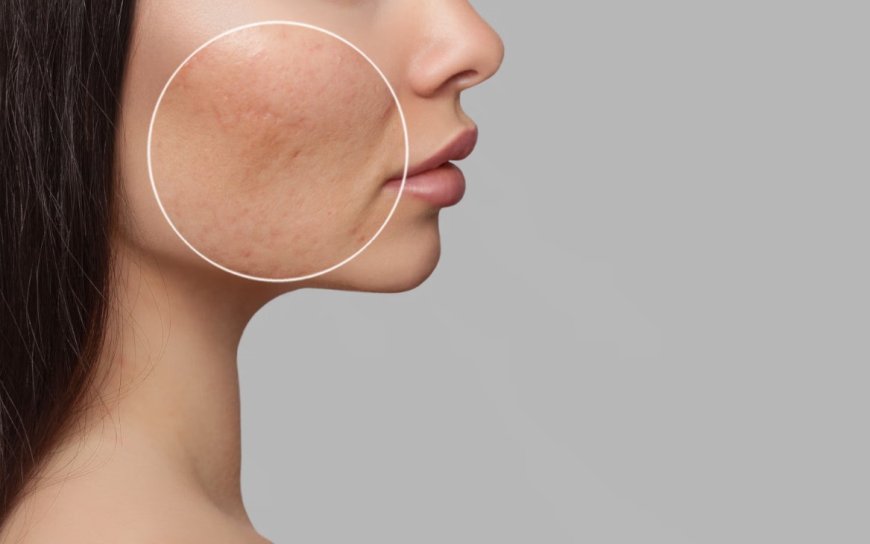
Introduction to Icepick Acne Scars
Dealing with the aftermath of severe acne can be a frustrating and enduring challenge. While many types of acne marks fade naturally over time or respond well to surface-level skincare, certain forms of scarring leave permanent structural damage to the skin. Among the most distinct and stubborn are icepick scars. These narrow, deep, and sharply defined depressions penetrate far beneath the skin's surface, creating tiny holes that resemble puncture marks left by an ice pick.
Acne Scar Removal in Jeddah can help improve the appearance of acne scars and promote smoother, more even-looking skin.
Because icepick scars extend deep into the dermal layer, standard topical creams, over-the-counter serums, and basic daily moisturizers cannot fill them in or smooth them away. Restoring a uniform, even complexion requires targeted clinical interventions performed at a specialized aesthetic clinic. Understanding the unique architecture of icepick scars and exploring professional dermatological treatments is the first step toward achieving lasting skin clarity.
The Anatomy and Challenge of Icepick Scars
To understand why icepick scars are notoriously difficult to treat, it is essential to examine how they form and how they differ from other types of acne scarring:
-
V-Shaped Depth: Unlike rolling scars (which feature wide, shallow slopes) or boxcar scars (which have broad, U-shaped bases with vertical walls), icepick scars are narrow at the surface—typically less than two millimeters wide—but plunge deeply into the dermis.
-
Fibrous Anchoring: When severe cystic acne or deep inflammatory lesions rupture beneath the skin, the resulting wound destroys tissue down to the subcutaneous layer. As the skin attempts to heal itself, it forms vertical fibrous scar tissue that pulls the surface downward, creating a steep, pitted funnel.
-
Resistant Architecture: Because the damage resides deep within the skin's structural matrix, surface-level exfoliation and standard resurfacing treatments often glide right over the pit without reaching the base of the scar, necessitating high-precision clinical procedures.
Advanced Clinical Treatment Options at an Aesthetic Clinic
Because icepick scars require treatments capable of reaching deep dermal depths or completely restructuring the surrounding tissue, dermatologists and aesthetic specialists utilize several advanced medical modalities:
1. TCA CROSS Technique (Chemical Reconstruction of Skin Scars)
For true icepick scars, the CROSS (Chemical Reconstruction of Skin Scars) technique using high-concentration Trichloroacetic Acid (TCA) is widely considered a gold-standard approach.
-
How It Works: A practitioner uses a microscopic instrument to precisely apply a high concentration (typically 50% to 100%) of TCA directly into the base of each individual icepick scar.
-
The Biological Response: The localized acid creates a controlled chemical burn, triggering an immediate inflammatory wound-healing cascade. This prompts fibroblasts to synthesize a dense surge of new collagen, effectively filling the deep pit from the bottom up and causing the scar walls to contract and narrow.
-
Advantages: Because the acid is applied strictly within the scar crater, surrounding healthy skin is left untouched, minimizing recovery risks.
2. Punch Techniques (Punch Elevation and Punch Excision)
When icepick scars are exceptionally deep, wide at the base, or unresponsive to chemical or laser modalities, minor surgical revision provides a definitive physical solution.
-
Punch Excision: The practitioner uses a specialized circular surgical tool (a punch biopsy tool) to neatly core out the entire icepick scar down to the fat layer. The healthy edges of the surrounding skin are then closed with a tiny suture, leaving behind a flat, fine linear scar that fades significantly over time and is easily camouflaged.
-
Punch Elevation: Used when the base of the scar is intact but tethered downward. The scar is cored out and elevated to sit flush with the surrounding skin surface before being secured in place.
3. Fractional Laser Resurfacing
While fractional lasers (such as fractional CO2 or erbium systems) are primarily celebrated for smoothing broad textural irregularities and boxcar or rolling scars, they also play a powerful supportive role in icepick scar revision.
-
How It Works: Fractional lasers deliver microscopic columns of thermal energy deep into the skin, vaporizing damaged tissue and stimulating global collagen remodeling across the treated area.
-
Comprehensive Smoothing: When combined with targeted treatments like TCA CROSS or punch excision, fractional laser resurfacing helps blend the edges of treated scars seamlessly into the surrounding skin, improving overall micro-texture and radiance.
4. Medical Microneedling and Radiofrequency Microneedling
Mechanical or energy-enhanced microneedling provides another avenue for structural skin renewal.
-
Automated Microneedling: Fine sterile needles create thousands of controlled micro-channels in the skin, prompting the body's natural healing response to break down old scar tissue and lay down fresh dermal matrix.
-
RF Microneedling: Combines traditional micro-needling with the delivery of radiofrequency energy directly into the dermis, heating deep tissue to contract collagen bundles and tighten the skin around depressed scars.
What to Expect From Your Treatment Journey
Navigating an icepick scar revision protocol requires patience, realistic expectations, and a commitment to a structured medical plan under professional supervision:
-
Comprehensive Initial Consultations: A qualified practitioner at an aesthetic clinic will perform a thorough skin analysis. Because skin types and healing capacities vary—particularly across diverse Fitzpatrick skin types—your provider must carefully select the right modalities to avoid post-inflammatory hyperpigmentation or adverse healing.
-
Combination Therapy: Because most individuals present with a mix of scar types (such as deep icepick pits paired with superficial rolling or boxcar depressions), dermatologists frequently design a multi-step combination plan. For instance, a provider might use TCA CROSS to lift deep icepick scars, followed weeks later by fractional laser resurfacing or microneedling to refine overall surface texture.
-
The Healing Phase and Recovery: Depending on the chosen treatment—ranging from localized TCA application to surgical punch excision or ablative laser resurfacing—expect temporary redness, minor crusting, or mild swelling over the first 3 to 7 days.
-
Progressive Collagen Maturation: Building new structural dermal tissue is a gradual biological process. While individual scars will show noticeable filling and shallowing after each session, the ultimate, long-term smoothing and tightening effects unfold progressively over 2 to 3 months as new collagen bundles mature and strengthen.
-
Strict Sun Protection: Newly treated and remodeling skin is exceptionally sensitive to ultraviolet radiation. Diligent daily application of broad-spectrum sunscreen is mandatory throughout your treatment course to prevent hyperpigmentation and protect your results.
Conclusion
Icepick scars represent one of the most structurally challenging forms of acne scarring due to their narrow, deep V-shaped geometry. However, modern aesthetic medicine offers highly effective solutions capable of transforming compromised skin. By partnering with skilled professionals at a dedicated aesthetic clinic and utilizing advanced clinical interventions—such as TCA CROSS, punch excision, and targeted laser resurfacing—you can successfully remodel deep scars, restore a smooth and even surface texture, and regain lasting confidence in your complexion.
What's Your Reaction?
 Like
0
 Dislike
0
 Love
0
 Funny
0
 Angry
0
 Sad
0
 Wow
0