
















Tummy Tuck Risks and Possible Complications
Tummy Tuck Risks and Possible Complications

Tummy Tuck Risks and Possible Complications
Undergoing an abdominoplasty—commonly known as a tummy tuck—offers remarkable, life-changing transformations in body contouring, core strength, and personal confidence. However, because a tummy tuck is a major surgical procedure involving extensive tissue elevation, muscle repair, and skin excision, it inherently carries certain medical risks and potential complications.
For patients planning their procedure in Jeddah, understanding these risks, how board-certified plastic surgeons mitigate them, and what warning signs to monitor ensures a safe, informed, and well-managed recovery journey.
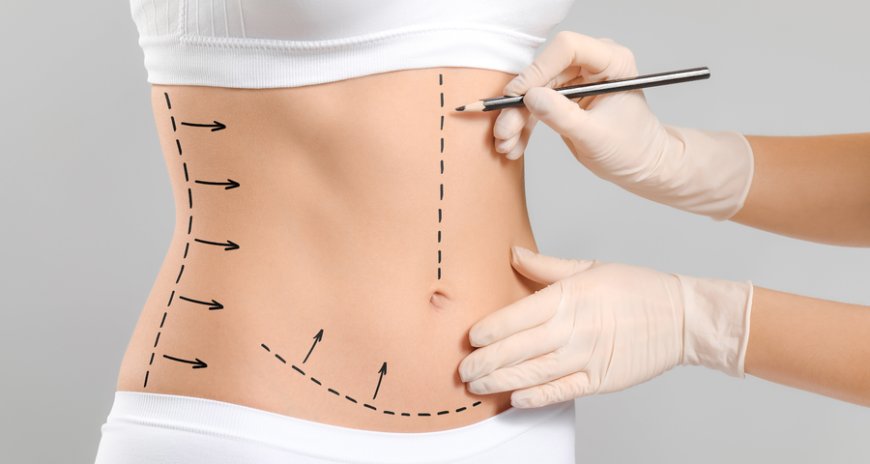
Tummy tuck in Jeddah is a cosmetic procedure designed to remove excess abdominal skin and improve the overall contour of the abdomen.
General Surgical Risks Associated with Abdominoplasty
While accredited medical facilities in Jeddah maintain world-class safety standards, every surgical intervention shares a baseline set of potential risks:
-
Infection: As with any operation involving skin incisions, bacteria can potentially enter the wound. Surgeons minimize this risk through strict sterile operating protocols and prophylactic antibiotics, but patients must maintain proper hygiene during home recovery.
-
Hematoma and Seroma: A hematoma is a localized collection of blood beneath the skin, while a seroma is a buildup of clear fluid. Seromas are the most common minor complication following tummy tucks, often managed through temporary surgical drains, progressive tension (quilting) sutures, or in-office fluid aspiration if necessary.
-
Anesthesia Reactions: Although rare with modern anesthetic agents and dedicated monitoring, some patients may experience adverse reactions to general anesthesia, ranging from prolonged grogginess to nausea.
-
Delayed Wound Healing: Areas of the incision—particularly the central "T-junction" where tension is highest—can occasionally heal slower than expected, requiring specialized wound care dressings.
Specific Complications Linked to Abdominoplasty
Certain physiological factors unique to tummy tucks require careful surgical planning and patient compliance:
-
Tissue Necrosis (Skin Death): Because the skin and fat flap are elevated off the abdominal wall, blood supply to the tissue is temporarily altered. Smoking is the primary culprit behind tissue necrosis, as nicotine severely constricts blood vessels and cuts off vital oxygen delivery to healing skin edges.
-
Nerve Damage and Numbness: It is completely normal to experience temporary numbness, tingling, or altered sensation across the lower abdomen and pubic region due to the stretching and minor disruption of superficial sensory nerves. In rare cases, this numbness can become permanent, though sensation typically returns over several months.
-
Asymmetry or Unfavorable Scarring: While surgeons utilize meticulous closure techniques and strategic placement, individual healing tendencies can occasionally result in asymmetric contours or hypertrophic (raised) scars that require secondary laser treatments or scar revision.
-
Pulmonary Embolism (Blood Clots): Deep vein thrombosis (DVT) occurs when blood clots form in the deep veins of the legs and travel to the lungs. This is a serious, though rare, complication. It is aggressively prevented through mandatory early ambulation (walking the day of surgery), compression devices, and anticoagulant medications when prescribed.
How Surgeons in Jeddah Minimize Your Risks
Choosing an elite, board-certified plastic surgeon operating in a JCI-accredited facility in Jeddah is your single greatest safeguard against complications. Medical teams minimize risks through rigorous protocols:
-
Strict Patient Screening: Comprehensive pre-operative evaluations rule out underlying bleeding disorders, uncontrolled hypertension, or cardiovascular risks.
-
Mandatory Smoking Cessation: Surgeons strictly enforce quitting smoking, vaping, and nicotine use at least four to six weeks prior to surgery to ensure optimal vascular health and tissue survival.
-
Advanced Surgical Techniques: Utilizing techniques like progressive tension (quilting) sutures reduces dead space, minimizes fluid collection, and lowers seroma rates significantly.
-
Comprehensive Post-Op Guidance: Providing clear instructions on compression wear, drain management, activity restrictions, and warning sign monitoring keeps you safe throughout healing.
Red-Flag Symptoms: When to Call Your Surgeon Immediately
Knowing what constitutes a normal recovery symptom versus a medical warning sign is vital. Contact your surgical team immediately if you experience any of the following red-flag indicators:
-
Sudden, severe, or worsening pain that is not managed by prescribed medications.
-
A rapid, significant swelling or a hard, painful lump developing under the skin.
-
High fever, chills, or persistent heat and spreading redness around the incision lines.
-
Foul-smelling drainage, pus, or sudden separation of the wound edges.
-
Sudden shortness of breath, chest pain, or rapid heart palpitations (requires emergency medical evaluation).
Empowering Your Recovery Through Awareness
Understanding potential complications is not meant to induce fear, but rather to empower you with vigilance. By partnering with a qualified specialist in Jeddah, adhering strictly to pre- and post-operative guidelines, and listening closely to your body, you can navigate your tummy tuck safely and achieve stunning, beautiful results with confidence.
What's Your Reaction?
 Like
0
 Dislike
0
 Love
0
 Funny
0
 Angry
0
 Sad
0
 Wow
0