UAE Cold Chain: Food Security and Digital Logistics Reshape Temperature-Controlled Supply
Food safety is one of the most important factors supporting temperature-controlled logistics. Perishable foods can lose quality rapidly when exposed to unsuitable temperatures, making reliable storage and transportation essential from import facilities to retailers and consumers.

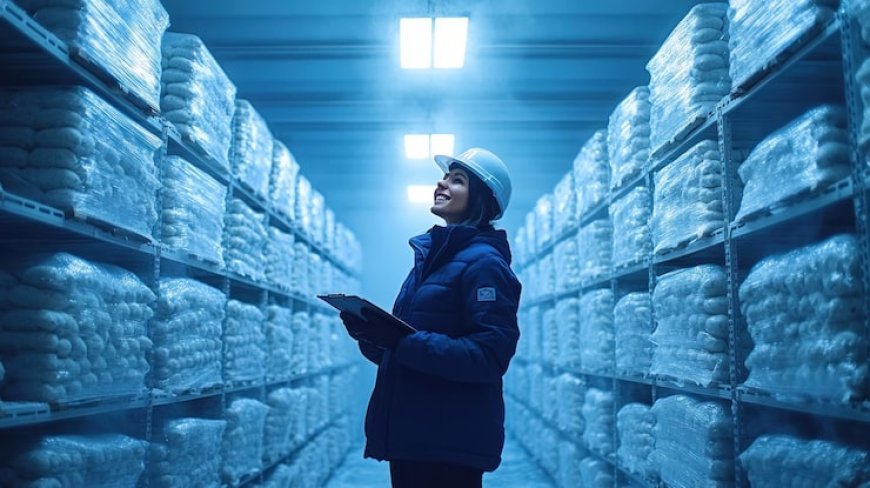
The UAE's temperature-controlled logistics ecosystem is becoming increasingly important as the country manages imported food, pharmaceuticals, fresh produce, dairy products, meat, seafood, and other sensitive goods. Growing demand for fresh products, stronger food-safety requirements, online grocery delivery, and healthcare logistics is encouraging businesses to improve refrigerated storage, transportation, and monitoring systems. According to MarkNtel Advisors, stringent food-safety regulations, e-commerce expansion, technological improvements, and rising demand for temperature-sensitive products are key factors influencing the UAE's cold-chain development.
Food Safety Strengthens Temperature-Control Requirements
Food safety is one of the most important factors supporting temperature-controlled logistics. Perishable foods can lose quality rapidly when exposed to unsuitable temperatures, making reliable storage and transportation essential from import facilities to retailers and consumers.
The UAE's official food-safety framework places controls across the food chain, including requirements covering imported food, food registration, safety monitoring, and local inspections. The government also operates a National Rapid Alert System for Food to manage serious food-safety risks.
These requirements encourage businesses to maintain stronger storage procedures, traceability, monitoring systems, and transportation controls.
Food and Beverage Remains a Major User
Food and beverage is identified by MarkNtel Advisors as the leading end-user category. Dairy products, meat and seafood, beverages, packaged foods, fruits, and vegetables all require controlled conditions at different stages of distribution.
The UAE's dependence on imported food further increases the importance of reliable cold storage. Large temperature-controlled facilities can help distributors hold products before supplying supermarkets, restaurants, hotels, and other foodservice businesses.
Cold Storage Holds a Leading Position
Cold storage represents the dominant type within the study. Major logistics locations such as Dubai South and Jebel Ali Free Zone provide access to multi-temperature warehousing designed to accommodate different categories of sensitive goods.
These facilities can support bulk storage while allowing businesses to manage inventory before products move toward retail outlets, restaurants, healthcare facilities, and other end users.
E-Commerce Reshapes Last-Mile Logistics
The rapid development of online grocery and direct-to-consumer services is changing temperature-controlled delivery requirements. Consumers increasingly expect fresh groceries, frozen foods, dairy products, and other perishables to arrive quickly without compromising quality.
MarkNtel Advisors highlights platforms such as Carrefour UAE, Instashop, and Talabat Mart as examples of digital channels contributing to this shift. Cold-chain providers are responding through refrigerated vans, automated stock systems, and smaller facilities located closer to consumers.
Urban Micro Cold Storage Gains Momentum
Urban micro cold-storage hubs are emerging as an important trend in the UAE. Instead of depending entirely on large warehouses located outside cities, logistics operators can establish smaller temperature-controlled facilities near densely populated residential and commercial areas.
This model can support quick-commerce operations by reducing delivery distances and improving access to fresh groceries, meal kits, health foods, and pharmaceutical products.
The trend is particularly relevant to Dubai, Sharjah, and Ajman, where food retailers, cloud kitchens, and direct-to-consumer businesses increasingly require flexible storage options.
Pharmaceuticals Create Specialized Opportunities
Pharmaceutical logistics is another important area for temperature-controlled services. Vaccines, insulin, biologics, and other sensitive medicines can require carefully managed storage and transportation conditions.
The UAE's growing healthcare infrastructure is creating additional demand for specialized logistics capabilities. Temperature monitoring, validated storage environments, compliant transportation, and trained personnel are becoming increasingly important for maintaining pharmaceutical product integrity.
Digital Monitoring Improves Visibility
Technology is transforming cold-chain operations by providing greater visibility across storage and transportation. Connected sensors, GPS tracking, automated inventory systems, and real-time temperature monitoring can help logistics operators identify problems more quickly.
When a temperature excursion occurs, digital systems can provide alerts that allow businesses to investigate and respond before products are significantly affected. Digital records can also support quality assurance and regulatory compliance.
Food Security Supports Infrastructure Development
Cold-chain infrastructure is closely connected with the UAE's wider food-security objectives. The country's food-security strategy emphasizes diversifying food imports, improving local production, reducing food waste, and strengthening food safety and quality.
This creates a favorable environment for investment in storage and logistics infrastructure because efficient temperature control can help preserve perishable goods and improve supply reliability.
Infrastructure Gaps Remain a Challenge
Despite significant development, infrastructure gaps and temperature risks remain concerns. MarkNtel Advisors notes that some areas outside the major logistics centers have comparatively less-developed temperature-controlled infrastructure and shortages of specialized personnel.
Temperature excursions can occur because of refrigeration failures, transportation delays, inadequate storage, or improper handling during transfers. These risks highlight the importance of standardized procedures, staff training, preventive maintenance, and continuous monitoring.
Refrigerated Transportation Gains Importance
Cold transportation is expected to become increasingly significant as e-commerce grocery services, pharmacy deliveries, foodservice, and same-day delivery models expand.
Refrigerated fleets equipped with real-time tracking can help connect warehouses with retailers, restaurants, hospitals, pharmacies, and households while maintaining appropriate product conditions. Better route planning can also improve delivery efficiency and reduce exposure to high outdoor temperatures.
Sustainability Becomes a Priority
Energy consumption is another important consideration for cold-chain operators. Refrigerated warehouses and vehicles require substantial energy, encouraging businesses to explore efficient refrigeration equipment, renewable-energy solutions, improved insulation, and optimized delivery routes.
Sustainable cold-chain practices can help companies reduce operating costs while supporting broader environmental objectives. Energy-efficient infrastructure is especially relevant in the UAE's hot climate, where refrigeration requirements can be substantial.
Conclusion
The UAE's cold-chain ecosystem is evolving through food-safety requirements, food-security priorities, pharmaceutical logistics, e-commerce, and digital technology. Cold storage remains fundamental, while refrigerated transportation and urban micro-storage are becoming increasingly important for faster and more flexible distribution.
Continued investment in resilient infrastructure, real-time monitoring, energy efficiency, workforce training, and integrated logistics will help businesses maintain product quality while strengthening the UAE's position as a regional hub for temperature-sensitive food, healthcare, and consumer products.
What's Your Reaction?
 Like
0
 Dislike
0
 Love
0
 Funny
0
 Angry
0
 Sad
0
 Wow
0