




















Understanding Different Types of Body Fillers
Understanding Different Types of Body Fillers

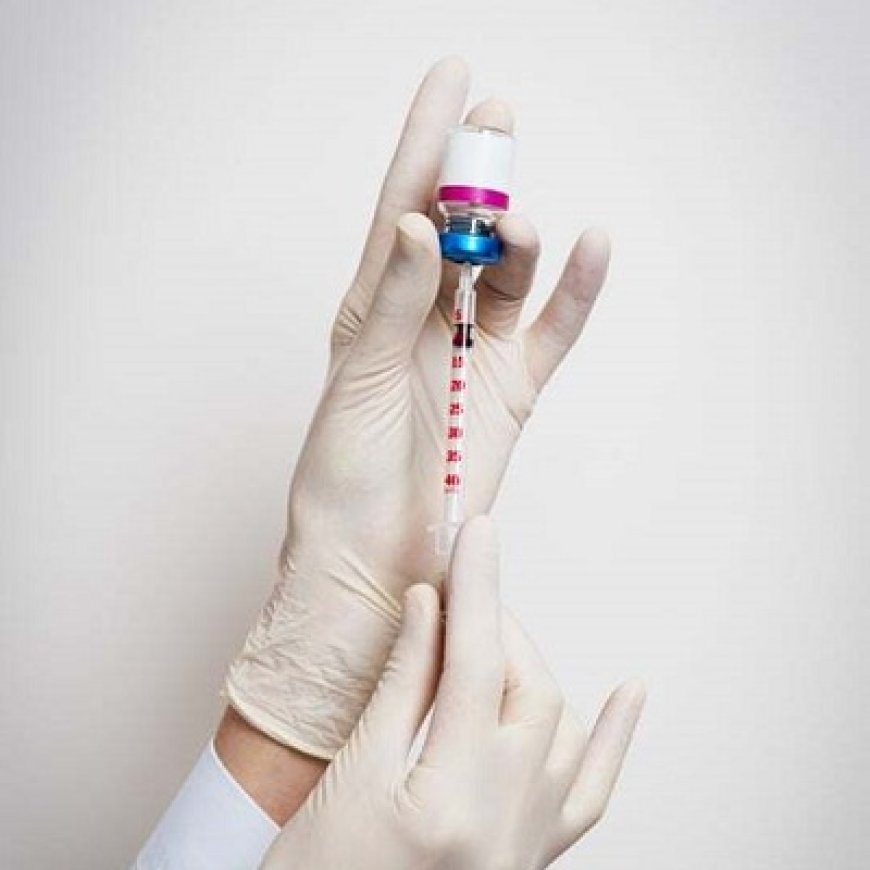
Understanding Different Types of Body Fillers
When exploring non-surgical body contouring—whether to smooth hip dips, enhance gluteal symmetry, or rejuvenate volume-depleted hands—choosing the right product is just as important as the injection technique itself. Because different anatomical areas require varying degrees of structural support, skin integration, and longevity, aesthetic medicine utilizes several distinct types of body fillers.
Learn more about Body fillers in Jeddah and understand the treatment process, potential benefits, recovery, and important considerations.
Understanding the unique composition, mechanism of action, and ideal clinical applications of each filler type helps you make an informed choice during your consultation.
1. Hyaluronic Acid (HA) Body Fillers
Hyaluronic acid is a naturally occurring sugar molecule found abundantly in human skin and connective tissue. It acts as a moisture sponge, capable of binding up to a thousand times its weight in water.
-
How They Work: HA body fillers are specially formulated with higher cross-linking density and greater viscosity than facial HA fillers. Once injected deep into subdermal or supraperiosteal planes, they provide immediate, palpable volume, structural lift, and skin hydration.
-
Longevity: Temporary, typically lasting between 12 to 24 months as the body's natural enzymes gradually and safely metabolize the gel.
-
Key Advantage: They are fully reversible. If adjustments are ever desired, an enzyme called hyaluronidase can be injected to safely dissolve the product within hours.
-
Ideal Applications: Hip dip contouring, smoothing body skin depressions, and hand rejuvenation.
2. Calcium Hydroxylapatite (CaHA) Fillers
Calcium Hydroxylapatite is a biocompatible, synthetic substance composed of microscopic calcium microspheres suspended in a smooth, aqueous gel carrier.
-
How They Work: CaHA provides a dual-action mechanism. The gel carrier delivers immediate structural volume and lift upon injection. Over the following weeks and months, the carrier is naturally absorbed while the microscopic calcium particles act as a scaffold, actively stimulating your body's natural fibroblasts to produce new collagen.
-
Longevity: Generally ranges from 12 to 18 months, though the structural improvements from newly stimulated collagen can endure longer.
-
Key Advantage: Excellent for areas requiring firmer structural support and skin-firming collagen regeneration.
-
Ideal Applications: Hand rejuvenation, structural body contouring, and improving skin laxity in localized areas.
3. Poly-L-Lactic Acid (PLLA) Stimulatory Fillers
Poly-L-Lactic Acid is a synthetic, biodegradable, and biocompatible polymer that has been utilized in medicine for decades (such as in dissolvable stitches).
-
How They Work: Unlike HA and CaHA fillers, PLLA is not an immediate volumizing gel. Instead, it acts primarily as a potent collagen stimulator. When injected into deep tissue planes, PLLA microparticles provoke a gentle, controlled inflammatory response that prompts the body to rebuild its own thick structural collagen matrix over time. Results develop progressively over several months rather than appearing instantly.
-
Longevity: Long-lasting results that can endure for two years or more once the full series of treatment sessions is completed.
-
Key Advantage: Creates exceptionally natural-looking, organic volume derived entirely from your own tissue remodeling.
-
Ideal Applications: Gradual gluteal contouring, hip enhancement, and correcting deep tissue volume loss or skin indentations.
Summary Comparison of Body Filler Materials
| Filler Type | Primary Material | Mechanism of Action | Duration | Reversibility |
| Hyaluronic Acid (HA) | Cross-linked sugar molecules | Immediate volume, structural lift, and hydration | 12–24 months | Yes (via hyaluronidase) |
| Calcium Hydroxylapatite (CaHA) | Calcium microspheres in aqueous gel | Immediate lift + secondary collagen stimulation | 12–18+ months | No (naturally metabolized) |
| Poly-L-Lactic Acid (PLLA) | Biodegradable synthetic polymer | Progressive, deep collagen regeneration | 2+ years | No (naturally metabolized) |
Conclusion
Selecting the appropriate body filler depends entirely on your specific anatomical goals, how quickly you want to see results, and whether you prefer a temporary, reversible product or a long-term collagen stimulator. Modern aesthetic medicine offers versatile options tailored to fit every unique physique.
What's Your Reaction?
 Like
0
 Dislike
0
 Love
0
 Funny
0
 Angry
0
 Sad
0
 Wow
0