















What Are The Best Tactical Weapons Accessories You Actually Need?
The best tactical weapons accessories depend on your needs, but essential considerations often include safety, secure storage, protective gear, maintenance tools, and lawful range-use equipment.

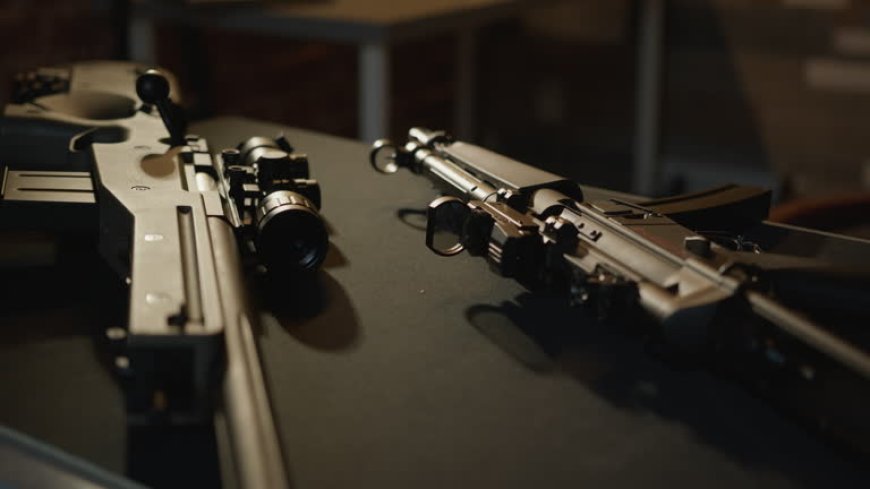
Walk into pretty much any gun shop and the accessories wall usually dwarfs the firearms case itself. There's a reason for that. Tactical weapons accessories cover a wide range of gear — optics, lights, slings, grips, mounts — all of it built to make a firearm do more than what it can straight out of the box. Some of it changes how fast you get on target. Some of it just makes a long day at the range bearable. And some of it is purely about not having a malfunction when it actually matters. Where people trip up is treating every accessory like it carries the same weight. It doesn't. A bargain-bin optic mount can wreck an otherwise great scope, while something as simple as a good sling can turn a heavy rifle into something you barely notice after an hour of carrying it. Figuring out which tactical weapons accessories genuinely move the needle, instead of grabbing whatever's trending on social media that week, is really where the payoff shows up down the road.
Why Shooters Are Investing In Upgrades
People's reasons for upgrading their gear are all over the map, honestly. Competitive shooters are chasing fractions of a second, so a crisper trigger or a sling that indexes faster isn't some luxury add-on — it's close to mandatory if you want to stay competitive. Hunters tend to care more about weight and weather resistance than raw speed, because a scope that fogs up at first light or a sling that starts chafing five miles into a hike ruins the whole trip fast. Home defense folks usually gravitate toward lights and lasers, and that makes sense — most real encounters happen in bad lighting, and a bare firearm alone just doesn't cut it there. There's also a simpler truth underneath all of this: stock parts get built to hit a price point, not a performance ceiling. Manufacturers have to keep entry-level guns affordable, so the factory trigger, sights, and furniture rarely match what's sitting on the aftermarket shelf. Once someone feels the difference a few smart swaps make, going back to stock parts is a hard sell.
Key Categories Worth Knowing
Not every upgrade belongs in the same bucket, and it helps to think in categories instead of treating this like one long shopping list. Optics are usually where people start — red dots for speed, magnified glass for precision, and plenty of middle ground depending on what the gun's actually for. Lights and lasers matter most to anyone thinking seriously about home or personal defense, since guessing at target identification in the dark is a bad plan no matter how good your shooting is otherwise. Ergonomic parts — grips, stocks, handguards — affect comfort and control more than most new shooters expect, and that difference really shows up over a long session. Then there's the mounting hardware, which sounds boring right up until a cheap mount lets a six-hundred-dollar optic shift zero halfway through a string of fire. The tactical weapons accessories worth buying in each of these categories tend to share the same handful of traits: solid materials, hardware that actually holds zero, and nothing that works itself loose after a few hundred rounds.

Long Range Shooting Accessories and Precision Performance
Once distance becomes the whole point, the conversation around gear changes almost completely. Long range shooting accessories aren't really about speed anymore — they're about consistency. A bipod that doesn't wobble under recoil. A rangefinder that's actually accurate past five hundred yards instead of just claiming to be. A scope with tracking you can trust on a first focal plane reticle. Wind-reading tools matter here too, since even a beautifully built rifle can't make up for a shooter who misjudges a crosswind at distance. Ballistic calculators, whether that's a standalone device or just a decent phone app at this point, have basically become standard gear for anyone shooting past a couple hundred yards — doing that math by hand under time pressure just isn't realistic anymore for most people. A solid set of long range shooting accessories won't replace fundamentals; you still need a stable position and controlled breathing. What it does is strip out a lot of the guesswork that used to be the real line between casual shooters and serious long-distance ones.
Choosing Gear That Fits Your Setup
A common mistake newer shooters make is buying accessories built for a completely different job than the one their gun is actually doing. Someone putting together a home defense carbine doesn't need the same long range shooting accessories a precision rifle shooter reaches for — and the reverse is just as true, since a heavy target scope on a short-barreled defensive rifle just adds dead weight without adding anything useful. It helps to actually nail down the gun's job before spending a dollar on it. Is it going hunting? Sitting bedside? Coming out to the range for a match once a month? Each of those answers points toward a completely different lineup of tactical weapons accessories. Budget matters too, sure, but it's almost always smarter to buy one genuinely good piece of gear than three so-so ones, because cheap optics and mounts have a way of failing at exactly the wrong moment — usually right when reliability was supposed to matter most.
Maintenance and Getting the Most From Your Gear
Buying good gear is really only half the job. Keeping it running is the other half, and it's the part most people skip. Optics need their lenses cleaned properly, not swiped with a shirt sleeve, since grit can scratch coatings that cost real money to fix. Mounting hardware needs a periodic torque check, because recoil vibration works screws loose over time even on well-made mounts. Slings and grips wear out eventually. Batteries in lights and lasers always seem to die at the worst possible moment. Rangefinders need their own care to stay accurate too. Building the simple habit of checking gear before and after a range trip catches most problems while they're still small, before they turn into a failure mid-hunt or mid-match. Honestly, the shooters who get the most mileage out of their gear usually aren't the ones with the fanciest setups — they're the ones who actually take care of what they already have.
Conclusion
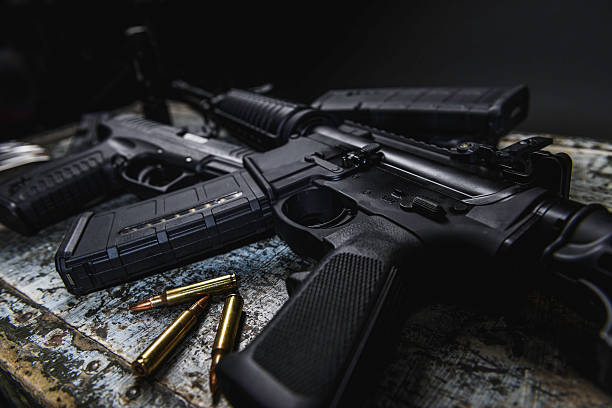
Building out a firearm with the right gear takes some trial and error, and there's no single setup that works for every shooter. What actually matters is matching the accessories to the job the firearm is really doing — home defense, hunting, competition, or long-distance precision work. Shooters willing to research categories, prioritize quality over quantity, and actually maintain what they buy tend to end up with setups that perform when it counts. For anyone looking to build out a rifle or handgun the right way, Red Cliffs Tactical, Inc. carries a strong lineup of long range shooting accessories and other gear worth a look as a starting point for putting together a setup that actually holds up over time.
Frequently Asked Questions
What should someone buy first when upgrading a firearm?
Optics and mounting hardware usually give the biggest return, since a solid sighting system affects accuracy and speed more than almost anything else you could add.
Are expensive accessories always better than budget options?
Not always, but there's usually a reason cheap gear costs less. Corners get cut on materials or tolerances somewhere, and that tends to show up eventually — often at the worst time.
Do long range shooters need different gear than everyday range shooters?
Generally, yes. Distance shooting leans heavily on consistency and precision tools like rangefinders and quality bipods, which matter a lot less for someone shooting at closer distances.
How often should mounting hardware be checked for tightness?
A quick check before and after range sessions is a solid habit, since recoil and vibration can loosen screws over time even on well-made mounts.
What's Your Reaction?
 Like
0
 Dislike
0
 Love
0
 Funny
0
 Angry
0
 Sad
0
 Wow
0





