

























What Factors Affect Pigmentation Treatment Results?

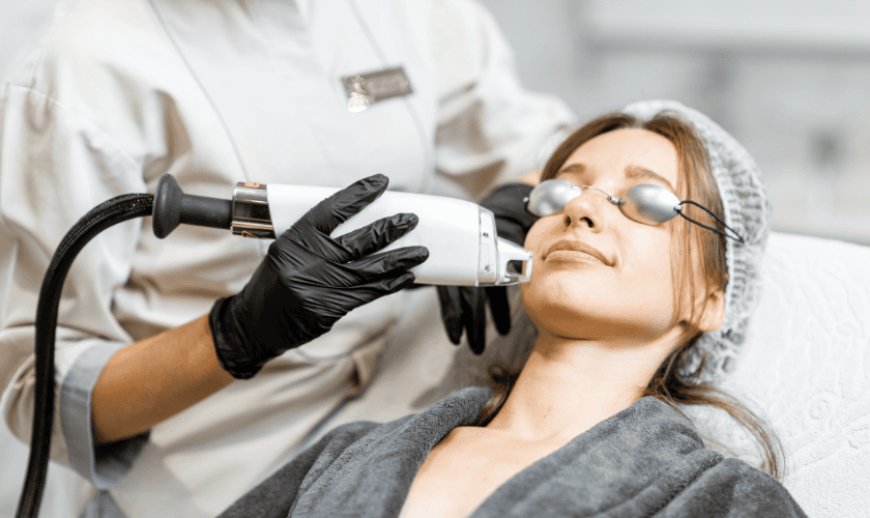
Pigmentation can develop for many reasons, including sun exposure, hormonal changes, acne, inflammation, and natural skin characteristics. Pigmentation Treatment in Dubai is commonly considered when uneven skin tone or dark patches become a persistent concern. At Dynamic Clinic in Dubai, treatment planning may involve assessing the pigmentation pattern, skin condition, and factors that could influence how the skin responds.
The Type and Cause of Pigmentation
Not all pigmentation behaves in the same way. Dark spots caused by acne-related inflammation may respond differently from pigmentation associated with prolonged sun exposure or hormonal changes. Melasma, post-inflammatory hyperpigmentation, freckles, and sunspots can involve different patterns of melanin production.
Identifying the underlying cause helps determine which treatment approach may be appropriate. Treating visible pigmentation without considering its trigger can make long-term management more difficult.
Skin Type and Natural Melanin Levels
Individual skin characteristics can influence pigmentation treatment results. Skin with higher natural melanin levels may be more prone to developing temporary darkening after irritation or inflammation. This makes careful treatment selection particularly important.
A suitable approach considers factors such as:
- Natural skin tone and pigmentation level
- Skin sensitivity
- History of post-inflammatory hyperpigmentation
- Existing redness or irritation
- Previous reactions to skincare procedures
A skin assessment can help identify how the skin may respond before a treatment plan is selected.
Sun Exposure and UV Protection
Ultraviolet exposure is one of the most important external factors affecting pigmentation. UV radiation can stimulate melanin production and may contribute to the development or recurrence of dark spots.
Regular sun protection is therefore an important part of pigmentation management. Daily broad-spectrum sunscreen, protective clothing, and limiting prolonged direct sun exposure can help reduce additional UV-related pigmentation.
For people living in Dubai, consistent sun protection can be especially relevant because strong sunlight and outdoor exposure can occur throughout much of the year.
Hormonal Changes
Hormonal activity can affect melanin production and may contribute to conditions such as melasma. Changes associated with pregnancy, hormonal medications, or other hormonal fluctuations can influence how pigmentation develops over time.
When pigmentation has a hormonal component, treatment may require a broader management approach rather than focusing only on existing dark areas. Changes in pigmentation can also occur even after the skin initially improves.
Treatment Selection
The treatment method itself can influence the outcome. Depending on the pigmentation type and skin characteristics, a professional may consider topical agents, chemical exfoliation, laser-based procedures, or other dermatological approaches.
The most appropriate option depends on the specific concern rather than simply the visibility of the pigmentation. Factors such as pigment depth, skin sensitivity, treatment history, and the presence of active inflammation can affect treatment selection.
Pigment Depth and Distribution
Pigmentation located closer to the skin surface may behave differently from pigment that extends into deeper skin layers. The distribution also matters. Some concerns appear as isolated spots, while others cover larger or irregular areas.
During assessment, the appearance, location, pattern, and depth of pigmentation can provide useful information for treatment planning. This helps create a more targeted approach based on the individual's skin condition.
Previous Skin Treatments
Past cosmetic or dermatological procedures can influence how the skin responds to another treatment. Recent exfoliation, laser procedures, waxing, or products containing strong active ingredients may increase skin sensitivity.
A complete treatment history can help identify factors that may need to be considered before starting another procedure. This is particularly relevant for people who have experienced irritation or pigmentation after previous treatments.
Skin Barrier Condition
A healthy skin barrier supports normal skin function and may affect treatment tolerance. Excessive dryness, irritation, inflammation, or over-exfoliation can make the skin more reactive.
Maintaining appropriate skincare before and after treatment can help support the skin barrier. Gentle cleansing, adequate moisturization, and avoiding unnecessary irritation may be included in an individualized skincare plan.
Consistency With Aftercare
Aftercare can influence how the skin behaves following a pigmentation procedure. Exposure to sunlight, picking or scratching treated areas, using irritating products too soon, or neglecting recommended skincare may interfere with the healing process.
Following professional aftercare instructions helps reduce avoidable irritation and supports the skin during recovery. The exact instructions depend on the treatment used and the individual's skin response.
Individual Biological Response
Every person's skin responds differently. Age, genetics, hormonal activity, inflammation, lifestyle, and previous pigmentation history can all contribute to differences in treatment response.
Because of this variation, pigmentation treatment results cannot always be predicted from another person's experience. A personalized assessment is more useful than relying on a fixed expectation of how quickly pigmentation will change.
Key Factors to Consider
The main factors that can affect pigmentation treatment results include:
- Type and underlying cause of pigmentation
- Natural skin tone and sensitivity
- Depth and distribution of pigment
- Sun and UV exposure
- Hormonal changes
- Previous treatments and skin reactions
- Current skin barrier condition
- Treatment selection and technique
- Adherence to aftercare
- Individual biological response
Conclusion
Pigmentation treatment results depend on more than the procedure itself. The cause, skin characteristics, pigment depth, sun exposure, hormonal factors, previous treatments, and aftercare can all influence how the skin responds. Understanding these factors allows treatment planning to focus on the specific pigmentation concern while accounting for the individual's skin condition and response.
What's Your Reaction?
 Like
0
 Dislike
0
 Love
0
 Funny
0
 Angry
0
 Sad
0
 Wow
0





