
















What Georgia Municipalities Should Look for in Public Pool Services

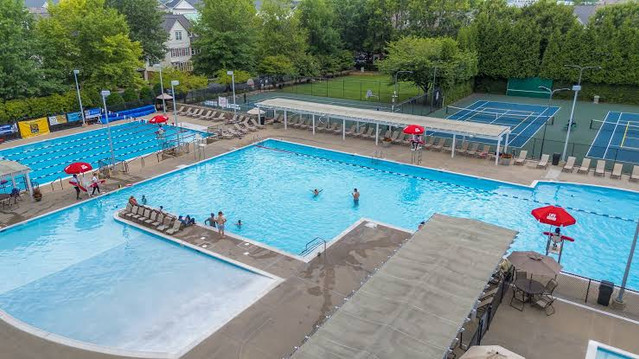
Swimming pools are a great amenity for any city, but municipal pools carry a level of public responsibility that private facilities rarely face. They serve every resident, from toddlers in swim lessons to seniors in water aerobics, and they operate in full view of taxpayers and elected officials. Choosing an operating partner is one of the most important decisions a parks and recreation department makes. In this article, we'll walk through what Georgia municipalities should evaluate before awarding a contract for public pool services.
Why Municipal Pools Carry Higher Expectations
Public facilities often draw more visitors than private pools, especially during Atlanta's long summer heat. Larger crowds raise chemical demand, strain filtration systems, and require closer supervision. Municipal pools also answer to open records requests and council review, so your department should document every operational decision.
Many cities run several sites at once, from neighborhood pools to larger aquatic centers. By understanding these added demands, you can set clear expectations for any provider before the bidding process begins.
Certifications and Staff Qualifications
Start with people. Ask every bidder how it recruits, certifies, trains, and supervises lifeguards. Confirm that guards hold current Red Cross or equivalent certification and that the provider tracks renewal dates. Ask about in-service training, which is ongoing skill practice during the season, along with on-deck drills and rotation schedules that prevent fatigue.
Background screening matters too, especially for staff who supervise children in camps and swim lessons. Leadership deserves the same scrutiny, so look for an experienced on-site manager and a certified operator assigned to handle water chemistry daily.
Health Department Compliance and Recordkeeping
Public pools in Georgia follow detailed Health Department requirements. Your partner should manage the annual permit with the county environmental health office, complete a pre-season inspection before opening day, and keep daily logs for chemical readings, equipment checks, and incidents. A strong partner also walks the facility with inspectors and resolves findings promptly, so your pools stay open. Electronic records make audits and open records requests far easier for your staff.
Insurance and Liability Protection
Municipal contracts should spell out coverage clearly. Look for a provider that carries at least $1,000,000 in General and Professional Liability Insurance and can name your city or county as an additional insured. An additional insured gains coverage under the provider's policy for claims tied to the provider's work, which adds protection on top of your existing coverage. Ask your risk manager or city attorney to review certificates of insurance before the contract starts and each year at renewal.
Questions to Include in Your RFP
An RFP, or request for proposal, works best when every bidder answers the same questions. Consider asking each provider to describe:
- Staff recruiting, certification, and training standards
- Emergency Action Plans and response times
- Chemical management and water testing frequency
- Recordkeeping systems and reporting to your department
- Insurance limits and additional insured options
- References from other Georgia municipalities or public facilities
An Emergency Action Plan (EAP) is a written, site-specific plan for emergencies, staff duties, and evacuation. Clear, specific answers show which vendors understand public-sector expectations.
Why a Local Partner Responds Faster
Residents who search "pool service near me" expect quick, local help, and your department should expect the same from its contractor. An Atlanta-based provider knows county inspectors and understands how Georgia's heat, storms, and pollen affect pools.
The same logic applies when your facilities director types "pool service near me" during an equipment failure, because distance decides how quickly your repairs get done. Look for 24-hour direct access during the season and an in-house service department that handles repairs without waiting on subcontractors.
Programs That Serve the Whole Community
The most valuable municipal partners think beyond lifeguards and chemicals. They run swim lessons for all ages, support water safety education, and help grow aquatic programming into a revenue source. Partnerships with local schools, summer camps, and senior centers can fill weekday hours that would otherwise sit empty. By knowing what programming a provider can support, you can turn your pools into assets residents use all season long.
In conclusion, the right partner protects residents, budgets, and your department's reputation. By understanding what to evaluate, from certifications and compliance to insurance, response times, and programming, you can compare bids with confidence. Professional public pool services bring each of these areas under one accountable team, giving your city a pool program residents trust and use.
What's Your Reaction?
 Like
0
 Dislike
0
 Love
0
 Funny
0
 Angry
0
 Sad
0
 Wow
0




