

























What Happens If a Domestic Violence Victim Changes Their Statement in Mesa?

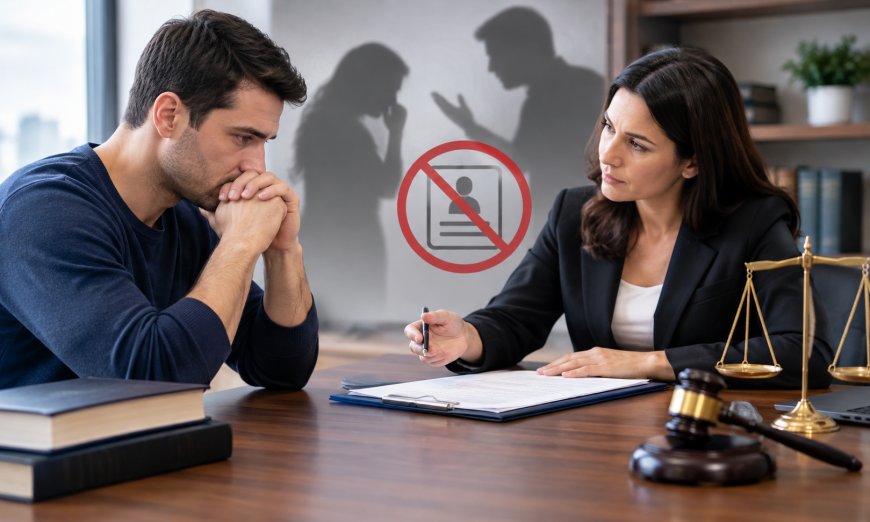
Domestic violence cases can become more complicated when the person who reported the incident later changes their statement. A victim may change what they said for many reasons, including fear, pressure, concerns about children, financial issues, or a desire to repair the relationship.
Changing a statement does not always mean that a domestic violence case will end. The case may continue based on other evidence and the circumstances involved. If you are facing an accusation, understanding what can happen after a statement changes may help you prepare for the legal process.
A Domestic Violence Lawyer Mesa can explain the legal process, review the circumstances of your case, and help you understand your available options.
Why Might a Victim Change Their Statement?
There are many reasons a person may change or take back information they previously provided. Domestic violence cases often involve personal relationships, emotions, and family concerns.
For example, the person may not want the accused to face criminal consequences. They may be concerned about their children, housing, finances, or the future of their relationship. In some situations, they may believe that their first statement did not fully explain what happened.
A changed statement can lead authorities to look more closely at the situation. They may compare the original statement with the new information and other evidence.
Does Changing a Statement End the Case?
Changing a statement does not automatically end a domestic violence case. Once authorities become involved or charges are filed, the case may continue even if the person who made the original report no longer wants to participate.
The government, rather than the alleged victim alone, generally handles a criminal case. This means the victim may not have the ability to simply cancel the charges.
Other evidence may also be available. Investigators or prosecutors may consider police reports, photographs, messages, recordings, witness accounts, medical information, and other records.
What Happens When the Statement Changes?
When a victim gives different information later, authorities may review both statements. They may want to understand why the story changed and whether the new information affects the case.
The differences between the statements can become important. For example, if important facts in the first statement are different from those in the later statement, an attorney may examine those differences as part of preparing a defense.
However, a changed statement is only one part of a case. The court may consider all available evidence before reaching a decision.
Can the Case Continue Without the Victim's Cooperation?
In some cases, yes. A domestic violence case may continue even when the alleged victim does not want to cooperate.
The effect of a changed statement can depend on how much other evidence exists. If there are photographs, recordings, witness accounts, messages, or other evidence supporting the allegation, the case may continue without relying entirely on the victim's statement.
On the other hand, if the original statement was a major part of the evidence, changes or inconsistencies may receive more attention during the case.
What If the Victim Says the First Statement Was False?
Sometimes, a person may later say that their first statement was false or that important details were incorrect. This can create questions that need to be addressed during the legal process.
Authorities may compare both statements with other evidence. They may also consider why the person changed their account.
The accused person should not assume that a case will automatically disappear because the alleged victim says the first statement was untrue. At the same time, differences between statements may be relevant to the defense.
How Can a Changed Statement Affect the Case?
A changed statement may affect how the evidence is viewed, but the impact will depend on the facts of the case.
For example, major differences between two statements may raise questions about the accuracy of the information. Other evidence may either support one version of events or provide additional information about what happened.
An attorney can review the statements and other evidence to identify important differences and explain how those issues may be addressed during the case.
|
Situation |
What It May Mean |
|
Victim changes minor details |
The court may consider the change along with other evidence. |
|
Victim changes important facts |
The differences may become an issue during the case. |
|
Victim refuses to cooperate |
The case may still continue if other evidence exists. |
|
Victim says the first statement was false |
Authorities may review both statements and other evidence. |
|
Other evidence supports the allegation |
The case may continue even after a statement changes. |
What Evidence May Still Be Available?
Changing a statement does not remove evidence that may have already been collected. Depending on the circumstances, investigators may have other information that can be reviewed.
Common types of evidence can include:
-
Police reports and observations
-
Photographs or videos
-
Text messages and other communications
-
Medical records
-
Witness statements
-
Emergency calls
-
Audio or video recordings
The importance of each type of evidence depends on the facts of the case.
What Should You Do After a Statement Changes?
If you are accused of domestic violence and learn that the alleged victim has changed their statement, it is important to handle the situation carefully.
Do not try to pressure the person into changing their statement again. Avoid threats, arguments, or repeated contact about the case. If a protective order or another court restriction is in place, make sure you follow it.
Useful steps may include:
-
Keep relevant messages, documents, and other information.
-
Follow all court orders and release conditions.
-
Attend scheduled court hearings.
-
Avoid discussing the case publicly or online.
-
Speak with an attorney before making decisions about the case.
Taking these steps may help you avoid additional problems while the case is pending.
Can a Changed Statement Affect Child Custody?
Domestic violence allegations can also affect family matters when children are involved. A criminal case and a family law case are separate proceedings, and they may address different issues.
If parents share children, allegations of domestic violence may become relevant to parenting time or other arrangements. A changed statement does not automatically resolve concerns involving the children.
Anyone dealing with both criminal and family law issues should understand how the two matters may affect each other and get legal guidance based on their circumstances.
Can the Victim Be Required to Testify?
Whether a victim must appear in court or provide testimony depends on the circumstances and the legal process. A person who originally reported an incident may not always be able to decide whether the case continues.
There may be legal procedures requiring a witness to appear or provide information. The possible consequences of refusing to participate can vary.
Because of this, neither the accused person nor the alleged victim should assume that changing a statement will automatically end the case.
How a Domestic Violence Lawyer Can Help
A domestic violence case can involve investigations, court hearings, evidence review, negotiations, and possibly a trial. Having legal guidance can help an accused person understand what is happening at each stage.
A Domestic Violence Lawyer Mesa can review the original statement, later statements, police reports, communications, photographs, witness information, and other available evidence. This review may help identify important issues that should be addressed during the case.
Legal assistance can also help with court deadlines, required appearances, and other legal responsibilities. The right approach depends on the specific facts and charges involved.
Visit Our Mesa Office
Every domestic violence case is different. A change in the victim's statement can be important, but it does not automatically determine how the case will end.
If you are facing a domestic violence allegation, getting information early may help you understand the process and your available legal options. Modern Law can provide legal assistance based on the circumstances of your case.
If you need help understanding your situation, visit our Mesa office to discuss your legal needs and available services.
Frequently Asked Questions
1. Does changing a domestic violence statement automatically dismiss the case?
No. Changing a statement does not automatically dismiss a domestic violence case. The case may continue if other evidence is available. Authorities may review both statements, along with police reports, witnesses, messages, recordings, and other relevant information.
2. Can a victim ask for domestic violence charges to be dropped?
A victim may express that they no longer want the case to continue, but they generally cannot personally dismiss criminal charges. The decision about continuing the case may depend on the available evidence and legal circumstances.
3. Can a changed statement help someone accused of domestic violence?
A changed statement may become important to the defense, particularly when there are major differences between statements. However, its effect depends on the entire case, including other evidence and the reasons surrounding the change.
4. What should I do if the victim changes their statement?
Avoid pressuring or repeatedly contacting the victim about the case. Follow all court orders and restrictions, preserve relevant information, and discuss the changed statement with an attorney who can explain the appropriate legal steps.
5. Can a domestic violence case continue without the victim's cooperation?
Yes, it can in some situations. If other evidence supports the allegations, authorities may continue the case even when the alleged victim does not cooperate. The specific circumstances and available evidence will determine how the case proceeds.
What's Your Reaction?
 Like
0
 Dislike
0
 Love
0
 Funny
0
 Angry
0
 Sad
0
 Wow
0





