


















What Happens to Your Yard During an ADU Build (and How It Recovers)

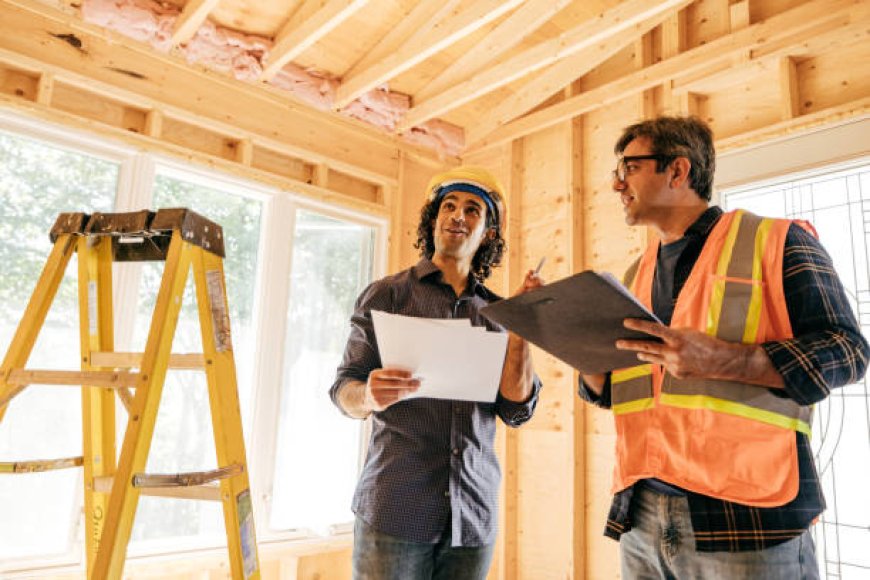
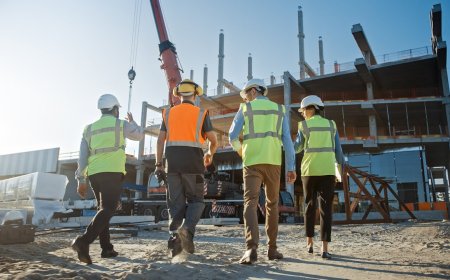
Nobody really imagines the ugly part when they decide to build an ADU. They see the finished backyard unit, maybe a nice walkway, some plants around it, and everything looking clean. The actual build is not like that. If you're searching for ADU construction services near me in Santa Rosa, you should expect some disruption outside the ADU footprint too. Workers need room to move. Materials have to come in. Dirt gets dug up, trucks arrive, tools end up everywhere. Your grass might get flattened. A flower bed could take a hit. It can look pretty rough for a while. That's construction. The good news is that most of the damage can be repaired when the heavy work is over.
Getting Materials Into the Backyard
Access is usually one of the first things that changes. Someone has to get concrete, lumber, drywall, roofing materials and equipment to the new unit. Maybe there's a wide driveway and everything is easy. Maybe there isn't, and workers have to use a narrow side yard or part of the lawn. Either way, something gets disturbed. Repeated walking and equipment movement can leave tracks in the soil. Wet ground makes things worse, because tires and boots can chew it up pretty quickly. Before work starts, it's smart to figure out exactly where people and equipment will travel. It sounds like a small detail. It isn't.
Grass Usually Takes the First Hit
Lawns don't love construction sites. Heavy equipment sitting on them isn't great. Neither is a dozen people walking across the same patch all day. You can end up with flattened grass, muddy spots, bare sections or deep ruts. Sometimes the lawn survives better than expected. Other times, not so much. If the ADU takes up part of an existing lawn, that section is obviously gone anyway. But the areas around it can often be protected with temporary barriers or planned access paths. A contractor who thinks ahead about the yard can prevent some unnecessary damage instead of just saying they'll fix it later.
What About Your Trees and Plants?
This is where things can get a little more complicated. A plant sitting close to the construction area may be in the way, even if it isn't directly where the ADU will sit. Roots can also be disturbed during excavation. That doesn't mean every tree or shrub needs to be removed, though. Some can be protected during the build. Others might be moved temporarily if they're suitable for transplanting. It really depends on the plant, its location and what the project requires. If you have a tree you care about, bring it up before construction begins. Don't assume everyone knows it's important to you. That conversation should happen early.
The Soil Can Take a Beating
A yard can look fine on the surface and still have a problem underneath. Construction traffic can press the soil down hard. That's called compaction, and it can make it harder for roots to grow and water to move through the ground. You might notice puddles later where you didn't have them before. Or new grass may grow poorly in certain spots for no obvious reason. Simply throwing some seed over those areas isn't always enough. The ground may need to be loosened first, and sometimes additional soil or grading is needed. It's one of those boring parts of yard recovery that actually matters a lot.
Then Comes the Cleanup
The yard usually starts looking better once the major construction work is finished. Notice I said starts. There can still be leftover soil, small pieces of material, disturbed edges and areas that need grading. The ground around the ADU needs to be shaped properly, especially where water will run during rain. Drainage shouldn't be treated like an afterthought. If the ground slopes the wrong way, you've got a problem waiting for the next storm. Once the site is cleaned and graded, then you can start thinking about grass, plants, mulch, pavers and all the nicer stuff.
Your Old Yard May Not Need to Come Back Exactly
Here's something worth considering. You don't necessarily need to rebuild the backyard exactly the way it was. The ADU changes the property, so the old landscaping layout may not make much sense anymore. You might need a walkway to the new entrance. Maybe the ADU needs more privacy. Perhaps part of the old garden should become a patio or sitting area. There could be utility equipment that needs to stay accessible too. Instead of trying to hide every sign that construction happened, look at the yard as a whole. A slightly different layout can sometimes work much better.
Where the Rest of the Property Comes Into Play
The work can extend beyond the immediate backyard, too. Utility trenches, new paths, gates, drainage work or other improvements may affect areas that weren't part of the original ADU footprint. If you're already planning home remodeling in Santa Rosa, it may make sense to coordinate those jobs rather than doing one project, fixing the yard, then tearing it open again later. Nobody wants freshly planted grass getting dug up because a second crew needs access. Planning these things together can save some aggravation, and potentially some money too.
Let the Yard Recover Properly
How fast the yard recovers depends on what happened to it. A small patch of damaged grass isn't the same as rebuilding an entire backyard. Soil condition, weather, drainage and the type of plants you choose all make a difference. New landscaping can look sparse at first. That's normal. Give it some time. If the ground was compacted, fix that before planting. If drainage changed, deal with that first. Don't rush to make everything pretty just for the sake of appearances. A little patience usually gives you a better result.
The Mess Doesn't Last Forever
An ADU build can be hard on a yard. There's really no point pretending otherwise. You may lose some grass, move plants around, repair a path or completely rethink one section of the property. But construction damage isn't the final result. Once the equipment is gone and the soil is prepared, the yard can come back. In fact, this is a good chance to create an outdoor space that works better with the new ADU. Give the restoration some thought instead of treating it as cleanup duty. The dirt and mess are temporary. What you build back afterward is what you'll actually live with.
What's Your Reaction?
 Like
0
 Dislike
0
 Love
0
 Funny
0
 Angry
0
 Sad
0
 Wow
0