














What Is A Proofing Bowl And Do You Actually Need One?
A proofing bowl, sometimes called a banneton or brotform if you want to get fancy about it, is basically a bowl (usually cane, rattan, or a plastic version now) that holds your dough while it does its final rise before baking.

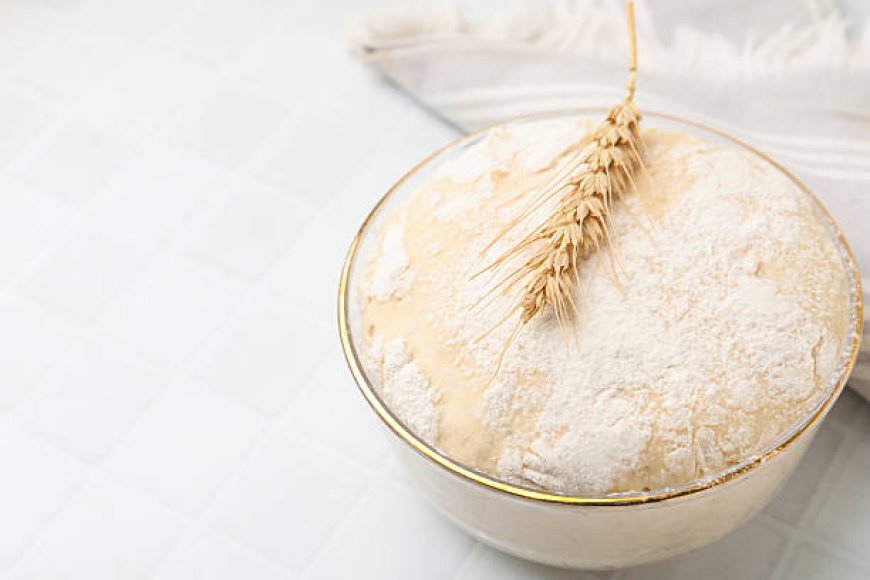
I get asked this a lot. Someone's scrolling through kitchen gear, sees a "proofing bowl" listed next to their bread flour and starter jars, and thinks — wait, do I need this thing or is it just another gadget somebody's trying to sell me. Fair question. A proofing bowl, sometimes called a banneton or brotform if you want to get fancy about it, is basically a bowl (usually cane, rattan, or a plastic version now) that holds your dough while it does its final rise before baking. That's it. It's not magic. But it does something your regular mixing bowl can't really do as well, and I'll get into that in a second.
Why Regular Bowls Don't Cut It For This Job
Here's the thing nobody tells you when you start baking bread proofing at home — a wet, sticky dough needs support while it rises, or it just spreads out flat like a sad pancake. Your average ceramic or metal mixing bowl is too smooth. The dough slides around, doesn't hold its shape, and honestly it's a pain to get out when it's time to bake. A proper proofing bowl, especially the cane ones, has ridges. Those ridges do two things: they wick moisture away from the dough's surface (which helps form a skin, which helps it hold shape), and they leave this really nice spiral pattern on your loaf once it's baked. Looks like you know what you're doing, even on day two of trying this whole sourdough thing.
The Cane Vs Plastic Debate, And Why It's Kind Of Overblown
People argue about this way more than they should, in my opinion. Cane bannetons are the traditional pick — natural, breathable, and they give you that classic ridged look on the crust. Plastic or silicone proofing bowls are easier to clean, you don't have to flour them as obsessively, and they won't grow weird mold spots if you forget to dry one out properly (been there). Truth is, both work fine. If you're just starting out and don't want another thing to fuss over, grab a plastic one lined with a cloth. If you're chasing that rustic bakery look for your baking bread proofing setup, go cane. Neither choice is wrong, no matter what the bread forums tell you.

How Much Flour Is Too Much Flour In There
This trips people up constantly. You flour the proofing bowl so the dough doesn't stick — makes sense so far. But then folks go overboard, dumping in a mountain of flour like they're trying to bury the dough alive. That's too much. You want a light, even dusting, enough to coat the surface but not so much that it clumps up and leaves weird dry patches on your finished loaf. Rice flour actually works better than regular flour for this if your dough tends to be on the sticky side — it doesn't absorb moisture as fast, so it stays "non-stick" longer during that final proof. Small tip, big difference.
Sizing Your Proofing Bowl Correctly Actually Matters
I made this mistake early on. Bought a bowl that looked about right, didn't measure anything, and ended up with dough that either overflowed the sides or sat there looking lost in too much space. Size matters here more than people think. For a standard 1.5 to 2 pound loaf, you're generally looking at something around 8 to 9 inches across. Bigger batches, bigger bowl, obviously — but don't just eyeball it and hope. Check the volume your recipe calls for and match the bowl to that, roughly a bowl that holds about double your dough's starting volume gives it room to rise without spilling everywhere.
Round Or Oval, Does Shape Change Anything
Shape is mostly about what kind of loaf you're going for, not some deep technical requirement. Round bowls give you your classic boule shape — that domed, rustic look most people picture when they think of artisan bread. Oval bannetons produce a batard, which is more of an elongated loaf, good if you're planning to slice it for sandwiches later on. Neither shape proofs the dough "better" than the other. It's really just aesthetic preference and what you're planning to do with the bread once it's out of the oven. I lean oval because it fits better in my bread box, if I'm being honest.
The Cloth Liner Question You Didn't Know You Had
If you go with a cane proofing bowl, you'll eventually run into the liner debate too. Some bakers swear you need a cloth liner (couche) inside the banneton every single time, others say bare cane, well-floured, works just fine and gives you better ridge definition. I've done both. Honestly the liner makes cleanup easier and is gentler on stickier, higher-hydration doughs that might otherwise grab onto the cane ridges and tear when you flip it out. If your dough recipe runs wet, use the liner. If it's a firmer, lower-hydration dough, skip it and let the cane do its thing directly.
Taking Care Of Your Proofing Bowl So It Lasts
Cane bannetons need a bit of babying, not gonna lie. Never wash them with soap and water — that ruins the natural finish and invites mold, which nobody wants growing in their bread equipment. Just scrape out excess flour and dough bits with a dry brush or your hands, then let it air dry completely before storing it. Plastic versions are way less needy, a quick wipe or rinse and you're done. Either way, store it somewhere dry. A damp, forgotten proofing bowl shoved in a cupboard is basically an invitation for mildew, and trust me, that smell does not come out easy.
Where A Proofing Bowl Actually Fits Into Your Process
Timing matters here, so don't skip this part. The proofing bowl comes into play after your bulk fermentation, once you've shaped your dough into its final form. That's when it goes into the floured bowl, seam side up usually, for the final proof — anywhere from 30 minutes to overnight in the fridge depending on your recipe and how patient you're feeling. This step is what gives your loaf its structure right before baking. Skip it or rush it, and you'll notice — flatter loaf, less defined crumb, less of that nice oven spring everyone chases.

Wrapping This Up
Look, a proofing bowl isn't going to turn a bad recipe into a good one, and it's not some miracle tool either. But if you're serious about baking bread proofing at home and you want that classic shape, that nice ridged crust pattern, and dough that actually holds together through the final rise — it's worth having one in your kitchen. Start simple, don't overthink the cane versus plastic thing too much, get the sizing right, and take care of it properly. That's really all there is to it. Once you use one a few times it just becomes part of the routine, like it was always supposed to be there.
FAQs
What is a proofing bowl used for?
A proofing bowl holds shaped bread dough during its final rise, giving it structure and support so it doesn't spread out flat before baking.
Do I really need a proofing bowl for baking bread proofing?
Not strictly, but it helps a lot with wetter doughs and gives your loaf that classic rustic shape and ridged crust pattern.
What's the difference between a banneton and a proofing bowl?
Banneton usually refers to the cane or rattan version specifically, while "proofing bowl" is the broader term that also covers plastic and silicone options.
Can I use a regular bowl instead of a proofing bowl?
You can, lined with a well-floured towel, but it won't hold shape as well as a proper proofing bowl designed for the job.
What's Your Reaction?
 Like
0
 Dislike
0
 Love
0
 Funny
0
 Angry
0
 Sad
0
 Wow
0




