




















What Should Homeowners Do After a Severe Storm Damages Their Property?

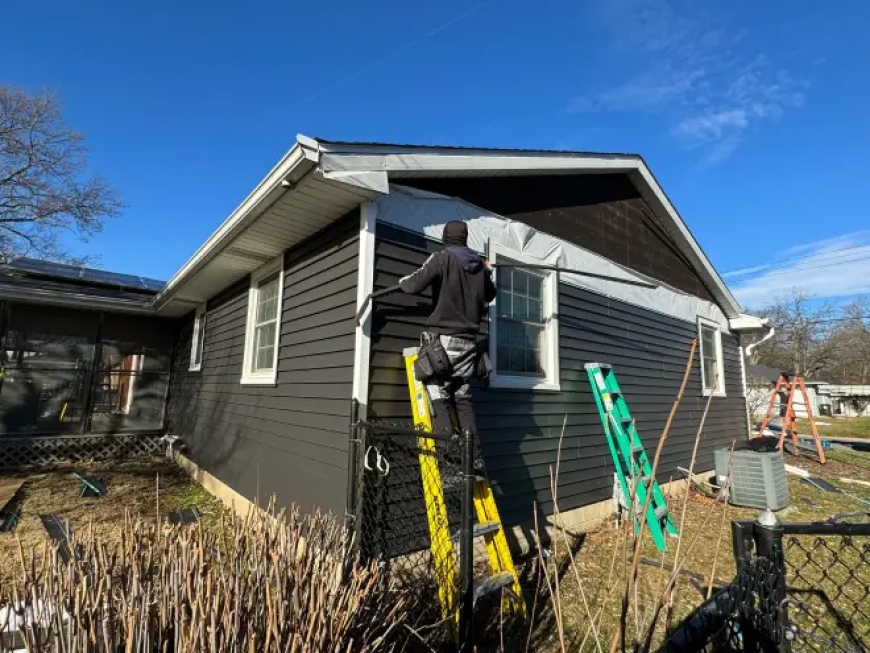
A storm can damage a home's roof, siding, gutters, windows and other exterior components severely. Sometimes after a storm, the worst part is trying to figure out where to start. Knowing the right next steps after a storm can help to avoid more damage as well as making the situation a little easier when determining what repairs are needed and if professional storm damage repair is necessary.
Check the Property From a Safe Location
Personal safety should be your first concern after a severe storm. You should stay away from downed power lines, fallen trees, broken glass and structural damage.
Check the roof without climbing onto it Avoid walking on the roof to check if it is damaged. Roofing repairs are sometimes difficult and dangerous to do unless you have the proper equipment and experience. To tell if a roof is damaged, a homeowner can search for obvious signs of damage on the ground including broken roof shingles, pieces of siding, tree branches, or rolled-up gutter spouts.
In the event of any emergency, homeowners should first contact a utility or emergency services.
Look for Visible Signs of Damage
When it is safe to get a look at the home from the ground, look for major indicators of storm damage. Have winds or hail loosen or remove shingles? Shine or dent your roofing and exterior materials?
In addition, torrential rains will likely expose any old or new leaks that may exist. Once back inside, check walls, ceilings, and in attics for leaking points or water-stained walls.
Report damage to siding, gutters, downspouts, window and door trim, and building exteriors. Minor damage still needs to be recorded and reported for the repair process.
Take Photos and Videos
Still images and video can be helpful for recording damage after a storm. Capture each instance of damage by clearly taking pictures from different angles that show damaged roofing, siding, gutters, windows, and so on.
If your home sustained fallen branches or other debris, take photos of those area before cleanup when it is safe. Homeowners shouldn't get themselves into a hazardous situation just for a picture.
Being well organized should help you communicate about the condition of your property with a contractor and, if necessary, an insurance company.
Prevent Additional Damage When Possible
Follow Up Once the damage has been recorded, homeowners are expected to do whatever is necessary to avoid more damage. An example would be covering a broken window if it was trapping rainwater inside the house.
Do not, under any circumstance, try to make difficult repairs or dangerous repairs on your roof. Do a temporary repair only when you are sure that you can safely do so.
A licensed contractor will be able to identify what repairs will be needed right away and what repairs can be scheduled after the home inspection.
Schedule a Professional Inspection
Due to the speed of storms, some damage may not be visible. An inspection can reveal damage to the roof, siding, flashing, gutters and other exterior portions of the home.
By hiring a contractor, the homeowner can ensure that they are inspecting the damage to determine what needs to be repaired. This is vital if the property sustained damage from wind, hail, rain, or falling debris.
An in-depth look should enable a homeowner to know if the damage seems to be concentrated in a specific area or if other portions of the property are also seen as compromised.
Check the Siding for Storm Damage
Siding is also vulnerable to extreme weather. Hail, flying debris, and gusting winds can lead to cracks, dents, loose panels, or other signs of damage.
People looking into siding companies Bloomington IL might be curious if their contractor has dealt with storm damage before. A contractor can come in and assess the damage to determine if one or a few areas can be fixed or if the whole side needs replacing.
Contact Your Insurance Company
If you experience extensive storm damage to your property, consider reaching out to your insurer to learn about the benefits and claim process.
Every insurance policy is different; make sure you examine your policy and obtain the instructions from your insurance company. Take notes and keep copies of pictures, inspection reports, estimates, receipts, and other documentation.
Before permanent repairs are carried out, it's a good idea to know what your insurance company will be needing.
Get a Detailed Repair Estimate
A customer should also ask for a written estimate from a contractor that explains what repair work needs to be done before any additional work is done. This estimate will include the products, labor, repairs, removal, cleaning, and other charges.
Make sure to include repair estimates for each damaged part of the property, if there was more than one damage. Going through the estimates item-by-item can also help homeowners to learn what work is involved.
Be Careful When Choosing a Contractor
Establishing a relationship – while it may be tempting to jump right into repairs following a storm, take the time to find out about a contractor. Learn about their experience, insurance, licenses, warranties, references and storm restoration experience.
Beware of individuals who try to rush you into getting a contract signed or certain results for a reduction.
Take a Careful Approach After a Storm
Storm damage can be costly for homeowners to address and repair, but when handled systematically, the challenge can be made more manageable. Homeowners should begin the claim process with an emphasis on safety, documentation, mitigation, and professional inspections.
After assessing the damage, residents can review repair estimates, speak to their insurance company as necessary, and hire an experienced contractor. Patience in these circumstances can lead to problems caused by the storm being correctly fixed.
What's Your Reaction?
 Like
0
 Dislike
0
 Love
0
 Funny
0
 Angry
0
 Sad
0
 Wow
0





