





















What Should You Know About Shipping Container Door Seals and Weather Protection?

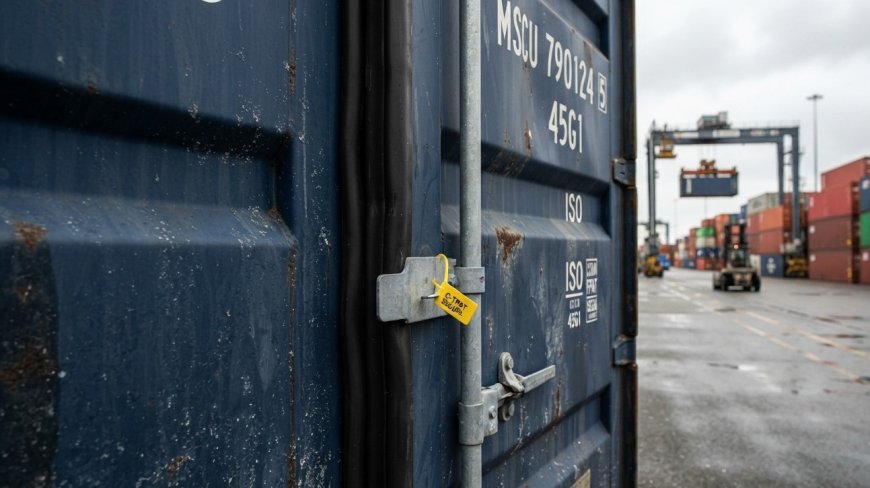
Weather protection is one of the most important considerations when using a shipping container for long-term storage. Rain, moisture, wind, and changing weather conditions can affect both the container and the items stored inside if the container is not properly sealed and maintained. Door seals play an important role because they help close gaps around the container doors and limit water and outside air from entering. Whether you are comparing shipping containers for sale, searching for a shipping container for sale near me, or evaluating storage containers for sale, understanding door seals and weather protection can help you choose the right container. Conex Hub offers containers in different sizes and conditions for storage, shipping, and business applications.
Table of Contents
- Why Door Seals Matter
- How Shipping Container Door Seals Work
- What to Check on Door Seals
- Inspect the Container Doors
- Look for Signs of Water Entry
- Consider Container Condition
- Protecting the Container From Moisture
- Choosing the Right Location
- Maintaining Door Seals Over Time
- New vs. Used Containers
- When Weather Protection Is Especially Important
- FAQs
- Final Thoughts
- Get Started With Conex Hub
Why Door Seals Matter
Shipping containers are designed to protect their contents from outdoor conditions, but their effectiveness depends partly on the condition of the doors and seals.
A properly functioning door system can help reduce the risk of:
- Rain entering the container
- Moisture reaching stored items
- Wind-driven water entering around the doors
- Dust and debris getting inside
- Drafts through gaps around the door
This is particularly important when a container will be used for long-term storage or when the stored goods could be affected by moisture.
How Shipping Container Door Seals Work
Container doors use sealing systems around their edges to help create a barrier between the interior and exterior.
When the doors are closed and secured properly, the seals press against the surrounding door frame. This helps reduce gaps through which water or outside air could enter.
The condition of these seals matters. A damaged, cracked, displaced, or excessively worn seal may not provide the same level of protection as a properly maintained one.
What to Check on Door Seals
If you are inspecting a container before purchasing or renting it, examine the door seals carefully.
Look for:
- Cracks
- Tears
- Missing sections
- Brittle material
- Gaps
- Loose areas
- Signs of deterioration
- Dirt or debris preventing proper closure
The seal should sit correctly around the door opening without obvious gaps.
If you are buying a used container, ask the supplier about the condition of the door seals and whether the doors close properly.
Inspect the Container Doors
Door seals are only part of the weather-protection system. The doors themselves should also be inspected.
Check whether:
- Both doors open and close properly
- Locking mechanisms work correctly
- Hinges are functioning properly
- Doors sit correctly within the frame
- There are visible bends or damage
- The doors close tightly against the seals
A damaged door can prevent the seals from making proper contact with the frame.
Conex Hub's delivery process includes a walkthrough where the doors and container condition are checked at placement.
Look for Signs of Water Entry
When evaluating a used container, look inside for evidence that water may have entered previously.
Potential signs include:
- Damp flooring
- Water marks
- Rust around door areas
- Staining
- Damp cardboard or packaging
- Corrosion near the bottom edges
- Musty conditions
A container intended for storage should be appropriate for the goods you plan to keep inside it.
Conex Hub describes its used containers as wind and watertight and suitable for storage and projects.
Consider Container Condition
Container condition can influence weather protection and overall storage performance.
New one-trip containers generally arrive in near-new condition, while used containers can vary depending on their previous service and maintenance.
Conex Hub's current condition guide distinguishes one-trip, cargo-worthy, wind-and-water-tight, and as-is conditions.
When comparing containers, make sure the condition matches the level of protection your stored items require.
Protecting the Container From Moisture
Keeping water out is only one part of moisture management. Condensation can also occur when temperatures change between the container's interior and exterior.
To help manage moisture:
- Keep the container on suitable ground
- Avoid placing it where water regularly collects
- Inspect seals periodically
- Keep doors closed when the container is not being accessed
- Avoid storing moisture-sensitive items without appropriate protection
- Consider ventilation when appropriate for the application
For particularly sensitive products, additional environmental controls may be necessary.
Choosing the Right Location
Container placement can affect long-term weather protection.
A suitable location should generally provide firm, dry, level ground. Avoid areas where rainwater regularly collects or where the container could settle unevenly.
Good site preparation can also make it easier to inspect the container and maintain the doors.
Conex Hub recommends firm, dry, level ground for container placement and advises customers to consider weather and soil conditions before delivery.
Maintaining Door Seals Over Time
Even a good seal should be inspected periodically, particularly when a container is used for long-term storage.
During routine inspections, check the seals for visible deterioration and make sure the doors continue to close properly.
Also inspect the surrounding door frame for damage, corrosion, or anything that could prevent the doors from making proper contact with the seals.
Regular checks can help identify potential problems before they affect stored inventory.
New vs. Used Containers
Both new and used containers can provide suitable weather protection when their condition matches the intended application.
New One-Trip Containers
One-trip containers are shipped once and are generally near-new. They may be a good option for businesses that want a newer container for long-term storage or future modifications.
Used Containers
Used containers can provide a more economical option when their condition is suitable. However, buyers should pay particular attention to the doors, seals, flooring, roof, and exterior condition.
When comparing storage containers for sale, do not evaluate price alone. The condition of the container can be just as important.
When Weather Protection Is Especially Important
Weather protection deserves extra attention when storing items such as:
- Business inventory
- Furniture
- Tools
- Equipment
- Documents
- Packaging materials
- Construction supplies
- Seasonal merchandise
The exact storage requirements depend on the materials being stored. Items that are particularly sensitive to moisture may require additional protection beyond the container itself.
FAQs
What do shipping container door seals do?
Door seals help close the gaps around container doors and reduce the opportunity for rain, wind-driven moisture, dust, and outside air to enter.
How can I tell if a container door seal needs attention?
Look for cracks, tears, missing sections, deterioration, or gaps. Also check whether the doors close properly and make consistent contact with the seals.
Are used shipping containers weatherproof?
A suitable used container can provide weather protection. Conex Hub describes its used containers as wind and watertight, but buyers should still inspect the specific container's condition.
Can damaged door seals cause water to enter?
Yes. Damaged or poorly positioned seals can reduce the effectiveness of the door's weather barrier.
How often should I inspect container door seals?
For long-term storage, periodic inspections are a good practice. The frequency can depend on the container's age, condition, location, and how often it is accessed.
Does container placement affect weather protection?
Yes. Firm, dry, level ground can help prevent settling and water-related problems around the container.
Final Thoughts
Door seals are an important part of a shipping container's weather-protection system. However, effective protection also depends on the condition of the doors, roof, walls, flooring, and the location where the container is placed.
If you are comparing shipping containers for sale, searching for a shipping container for sale near me, or evaluating storage containers for sale, inspect the door seals and overall container condition before making a decision. Conex Hub offers new and used containers with different condition options for businesses, contractors, and property owners with varying storage requirements.
Get Started With Conex Hub
Looking for a container that can protect your stored items from outdoor conditions? Review the container's size, condition, door seals, access features, and placement requirements, then explore available options from Conex Hub for your storage needs.
What's Your Reaction?
 Like
0
 Dislike
0
 Love
0
 Funny
0
 Angry
0
 Sad
0
 Wow
0