





















What to Look for in a High-Quality Children’s Art Camp

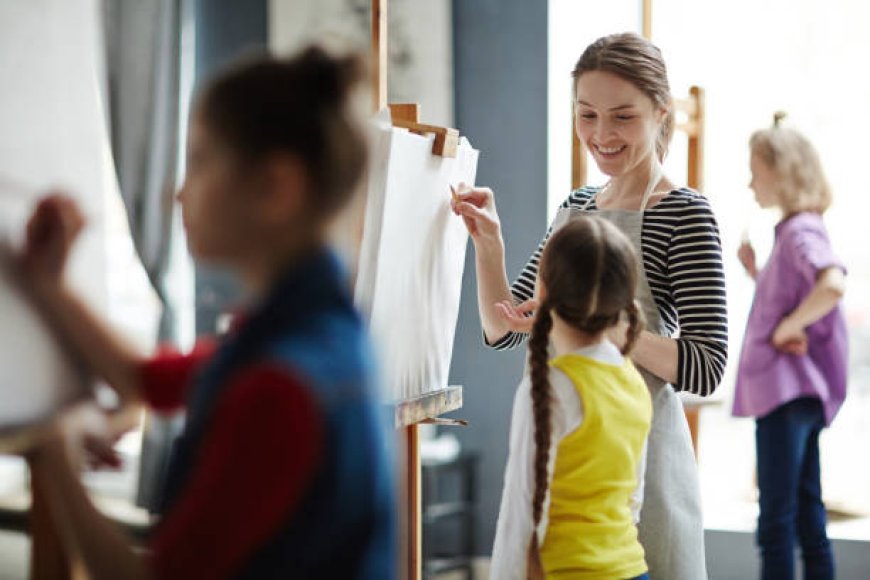
Choosing an activity for a child can look easy until you actually start comparing the options. A children's art camp can be a great way for kids to spend time creating, learning new skills, and getting comfortable with making things on their own. But not every camp is built the same. Some are genuinely focused on helping children explore art, while others can feel more like supervised craft time with a fancy name attached. Parents usually want something that is fun, obviously, but also safe, organised, age-appropriate and worth the time and money. Looking at how the camp is run, who teaches it, what children actually do and the kind of environment they walk into can tell you a lot before you sign up.
Look at the Teaching Approach
A good art camp should give children room to experiment instead of expecting every child to produce the same finished picture. That matters more than people sometimes realise. Kids learn differently, and one child might love drawing while another is more interested in clay, painting, collage or messy mixed-media work. A strong programme gives them different ways to use their imagination without turning every activity into a step-by-step copying exercise. There should still be guidance, of course. Children need someone to show them techniques and help when they get stuck. But the teacher should know when to step back too. If every mistake gets corrected immediately, kids can become afraid of trying something different. Art is supposed to have some trial and error in it.
Check Who Is Teaching the Camp
The person leading the programme can make or break the experience. You do not necessarily need someone with an enormous list of qualifications, but you do want instructors who understand children and know how to teach creative skills at their level. Working with young children is different from teaching adults. Patience matters. So does being able to explain something without making it complicated. Before choosing a camp, parents can look into the instructors’ experience, teaching background and approach to working with different age groups. It is also worth seeing whether assistants are available when the group is larger. One teacher trying to manage twenty excited children with paint, scissors and several different projects at once? That can get chaotic pretty quickly.
Make Sure the Activities Fit the Age Group
A quality programme should be designed around the children actually attending it. A five-year-old and a twelve-year-old can both enjoy art, but they do not need the same projects, instructions or level of independence. Younger children may benefit from simple techniques, sensory activities and plenty of encouragement, while older kids might want more freedom to develop an idea from scratch. Look for descriptions that explain what children will be learning rather than just throwing out a list of impressive-sounding art terms. The activities should be challenging enough to keep children interested without making them feel like they are failing. If a child comes home covered in paint and excited to tell you what they made, that is generally a better sign than a perfectly finished project they were simply told how to copy.
Pay Attention to Materials and Creative Variety
Materials are another thing worth checking before enrolling. A worthwhile camp should offer more than one type of creative activity, especially if children attend for several days. Drawing and painting are obvious choices, but sculpture, printmaking, paper art, textiles, crafts and mixed-media projects can keep things fresh. Variety also helps children discover what they actually enjoy. You might think your child loves drawing, then find out they are completely obsessed with building little sculptures instead. The materials should also be suitable for the age group and handled sensibly. Safety is important here, particularly with tools, adhesives, paints and small objects. Creativity does not need to mean complete chaos.
Look for a Safe and Welcoming Environment
Parents should never treat the physical environment as a minor detail. Children need a space where they can move around, ask questions and make mistakes without feeling embarrassed. The room should be reasonably organised, clean enough for creative work, and set up with safety in mind. But the emotional environment matters just as much. Kids should not feel like they are being judged against the most naturally talented child in the room. A good instructor encourages effort and curiosity rather than constantly praising only the best-looking artwork. This can make a huge difference for children who are shy or unsure about their creative abilities. They need to feel that their ideas have value, even when the final result looks a little strange. Sometimes the strange stuff is the interesting stuff.
Ask About Class Size and Individual Attention
A camp can have great teachers and excellent activities, but a huge group can still make the experience frustrating. Children need opportunities to ask for help and receive some individual attention. This does not mean an instructor has to stand beside every child for the entire session. That would defeat the point of encouraging independence. It does mean there should be enough supervision for teachers to notice when a child is struggling, losing interest or simply needs a little direction. Smaller groups often make it easier for instructors to understand each child's strengths and personality. If you are considering a particular camp, ask about the typical number of children per group and how many adults are present. It is a simple question, but it can reveal quite a bit.
Consider What Children Actually Learn
Fun is important, but a good art programme can teach plenty without feeling like school. Children can develop fine motor skills, concentration, visual thinking, problem-solving and confidence through creative activities. They also learn that an idea does not always work on the first attempt. That lesson is useful far beyond an art studio. Parents should look for programmes that explain the skills or creative processes children will explore, rather than focusing entirely on what they will take home. A finished painting is nice. Learning how to mix colours, change a composition, use a new tool or turn an idea into something physical is more valuable in the long run. The camp should give children experiences they can build on later.
See Whether the Camp Encourages Independence
One of the best things about creative activities is that children can make choices for themselves. A high-quality camp should leave some room for that. Maybe a child gets to choose their colours, decide how a project develops or come up with their own subject. Those small decisions build confidence. They also help children understand that there is not always one correct answer. In a typical art class for kids, guidance is useful, but children should not spend the entire session waiting for an adult to tell them what to do next. Look for a balance between instruction and freedom. Too little direction can leave younger children lost, while too much can take all the personality out of the work.
Ask About Communication With Parents
Good communication does not need to be complicated. Parents should be able to understand what the camp offers, what children need to bring, how sessions are structured and what happens if a child needs extra support. Clear information before the programme starts usually suggests that the organisers have thought through the practical side of things. It is also helpful when instructors or organisers can explain how children are progressing or what kinds of activities they have been enjoying. You do not need a daily report card. A simple update can be enough. Parents are trusting someone else with their child for several hours, so being left completely in the dark is not ideal.
Think About the Overall Experience
At the end of the day, a high-quality art camp should feel like a place where children want to be. That sounds obvious, but it is easy to get distracted by polished websites, impressive project photos and long descriptions. Pay attention to the actual experience being offered. Are children encouraged to explore? Do they get to use different materials? Are the instructors patient? Is the environment safe and welcoming? Do the activities suit the children's ages and abilities? These practical details tell you much more than a flashy advertisement does. The best programmes usually have a clear structure, but they still leave breathing room for kids to be kids.
Conclusion: Choose a Camp That Lets Kids Create
Finding the right art camp is less about searching for the most impressive programme and more about finding one that fits the child. Some children need encouragement to try. Others need more freedom because they already have ideas bursting out of them. A good camp recognises that difference. It gives children useful instruction, safe materials, supportive teachers and enough space to experiment without worrying about getting everything perfect. Parents should ask questions, look beyond the marketing and think about what their child will actually experience once the first day begins. The goal is not simply to keep children busy for a few hours. It is to give them a place where they can make things, try something odd, learn a new skill and maybe discover that they are better at creating than they thought.
What's Your Reaction?
 Like
0
 Dislike
0
 Love
0
 Funny
0
 Angry
0
 Sad
0
 Wow
0




