


















Who Do I Call for Raccoon Removal Near Me Tonight?

Something’s up on your roof. Heavy, slow, dragging across the shingles around dusk, and now it’s in the attic doing whatever raccoons do in there. You’re probably searching for raccoon removal near me with one hand while holding a flashlight in the other, and honestly, put the flashlight down. This post covers what to do first, why you shouldn’t go up there yourself, how to pick a decent company, and what to fix afterward so you don’t get a repeat visit next spring. Some of it’s not fun to read. Most of it’s cheaper than ignoring the problem.
First Things First, Are You Sure It’s a Raccoon?
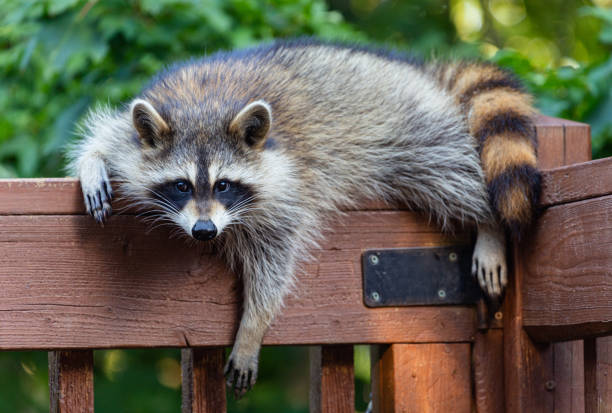
Listen to the timing. Raccoons are night animals, so the racket usually starts at dusk and keeps going until the early morning hours. It’s heavy. Thumps, drags, sometimes a thud like somebody dropped a bag of flour. If you hear chirping or a low purring, there are babies up there.
Squirrels are different. Quick, scratchy, daytime. Mice and rats are lighter, more of a scurry inside the walls. A raccoon sounds like a guy walking around in slippers, if the guy had claws.
Check outside too. Torn shingles, bent vent covers, scratches on the fascia, muddy paw prints near the roof edge. Raccoon tracks look like tiny hands, which is kind of creepy when you think about it. Why does this matter? Because the removal method depends on the animal, and a company that treats everything the same isn’t worth your money.
Why Raccoons Chose Your House
It’s not personal. A female raccoon in early spring is hunting for a den, somewhere dry and warm and away from predators, and an attic is perfect. No questions asked, no rent either.
They’re also strong. Like, annoyingly strong. A raccoon can peel up a shingle, rip off a ridge vent cover, or tear through rotted soffit wood without breaking a sweat. And those hands. Latches, flaps, loose boards, they work them all.
Food plays a part, too. Unsecured trash, pet food left on the porch, bird feeders, a koi pond if you’re unlucky. If your yard is a snack bar, they’ll keep coming back, and eventually somebody notices the attic hatch is easier than the neighbor’s.
The Damage Raccoons Do Up There
Insulation takes the worst of it. They dig in, squash it flat, shred it for bedding. Flattened insulation barely insulates, so your heating and cooling bills creep up while a raccoon family naps overhead.
Then the latrine thing. Raccoons pick one spot and use it over and over. Droppings pile up, urine soaks through insulation into the wood and drywall below, and the smell builds fast. You’ll see a brown stain on the ceiling eventually, and by that point the damage is usually bigger than you want to hear.
They chew wiring and rip open ductwork too, because why not. And here’s the serious bit. Raccoon droppings can carry roundworm eggs, which are dangerous for people and pets. So no, don’t scoop it up with a dustpan and a prayer. Cleanup needs protective gear and proper disposal.
Why DIY Raccoon Removal Usually Goes Badly

I know the temptation. Buy a trap, put out some marshmallows, done. But it rarely works out that way. If you trap the mother, you’ve probably left babies in the attic, and they’ll cry and die and stink up the place for weeks. That’s a bad outcome for everyone, including you.
Mothers defending kits can be seriously aggressive too. A cornered raccoon will bite and scratch, and you’d be dealing with rabies concerns on top of the roundworm issue. Not worth it.
Then there’s the law. Plenty of states limit trapping and relocating wildlife, some require permits, and some say you can’t move the animal at all. Fines get real. A licensed pro knows the local rules, and that alone is worth the call. They’ll also find the second and third entry points you’d miss, which is where most DIY jobs fall apart.
How to Pick a Wildlife Company Without Getting Burned
When you search raccoon removal near me you’ll get a pile of results, from excellent to sketchy. Start by asking about license and insurance. Straight up, no dancing around. If they dodge, move on, because someone’s going to be on your roof and you don’t want that liability.
Ask about methods. You want humane, which usually means exclusion doors and careful trapping when needed, plus a real plan for babies. Anyone pushing poison is a hard no, since dead animals in your walls smell like the end of the world.
Ask for a written quote after an actual inspection. They should look at the whole roofline, not just the hole you pointed at. And ask about warranties on the sealing work. A year or more is common, and it tells you how confident they are. Quotes that seem way too cheap usually skip the repairs, so you’re calling again in a month.
Cleanup, Repairs, and Rodent Proof Insulation
Once the raccoons are out and everything’s sealed, don’t just walk away. The soiled insulation has to go, and sometimes that means the whole attic floor. Urine and droppings hold smell and bacteria, and that scent can draw new animals right back in.
This is where rodent proof insulation comes up. Materials like closed-cell spray foam and mineral wool are dense and hard to dig through, and they don’t make a comfy nest. Let’s be honest though, nothing is truly proof. A raccoon that wants in badly enough can tear apart a lot. What these materials do is make your attic a lot less appealing and a lot more work. For mice and rats, they’re a solid upgrade.
Check wiring and ducts before you close things up. If anything got chewed, call an electrician. Catching it now beats finding out when something sparks at 2 a.m.
Keeping Raccoons Away for Good
Prevention is boring, I’ll admit it. It also works. Lock your trash lids, or bungee them, at night. Bring pet food inside. Take down bird feeders if you’ve got a recurring problem, because they’re basically a raccoon buffet.
Trim tree branches so they’re at least eight to ten feet from your roof. Cap the chimney properly. Cover vents with heavy gauge hardware cloth, not the thin chicken wire from the garden store, since they’ll tear that apart in a minute.
Walk your roofline a couple times a year. Look for loose soffits, lifted shingles, and rotted wood, because raccoons find weak spots like they’ve got a map. Fix small stuff early. And skip the mothballs and ultrasonic gadgets, they’re hit or miss and fade fast. Sealing the house is what works.
Conclusion
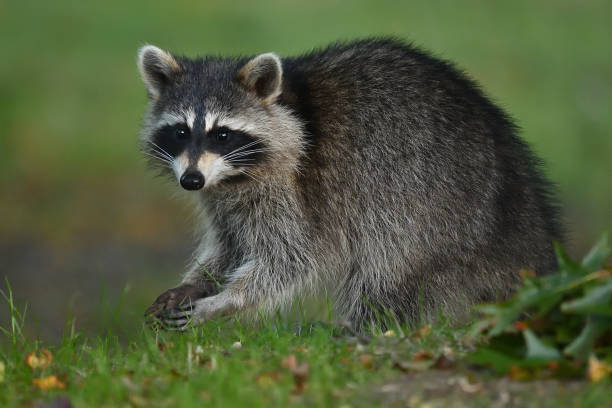
If you’ve been typing raccoon removal near me into your phone, the plan’s simple. Confirm what’s up there, call a licensed and humane company, make sure every entry point gets sealed, and don’t skip the cleanup. After that, upgrading to rodent proof insulation is a smart move, especially closed-cell spray foam or mineral wool, but only once the animals are out and the house is tight. Do it in the wrong order and you’ll be paying twice.
If you’re hearing heavy footsteps overhead right now, Elite Wildlife Services can inspect your home, handle humane removal, repair the damage, and help you protect the attic going forward. Don’t wait for the ceiling stain. Raccoons don’t get tidier with time.
FAQs
How much does raccoon removal usually cost?
It depends on where you live and how bad things are. Simple jobs can run a few hundred dollars, while bigger ones with babies, cleanup, and repairs can cost quite a bit more.
Can I trap and relocate a raccoon myself?
Often not legally. Many areas restrict relocation, and trapping a mother can leave babies stranded. A licensed pro knows the rules and handles it properly.
How long does raccoon removal take?
Usually a few days to a week or so. Jobs with babies can take longer so they can be handled safely.
Will raccoons come back after removal?
They can if entry points aren’t sealed properly. That’s why good exclusion work and a warranty matter as much as the removal.
Does rodent proof insulation keep raccoons out?
It helps make your attic less appealing, but it’s not a stand-alone fix. You still need to seal the roofline and block every entry point.
Do I need to replace insulation after raccoons?
Most of the time, yes, at least the soiled or flattened sections. Droppings and urine hold odor and bacteria that can attract new animals.
What's Your Reaction?
 Like
0
 Dislike
0
 Love
0
 Funny
0
 Angry
0
 Sad
0
 Wow
0