Why Are Multiple Laser Skin Resurfacing Sessions Used?

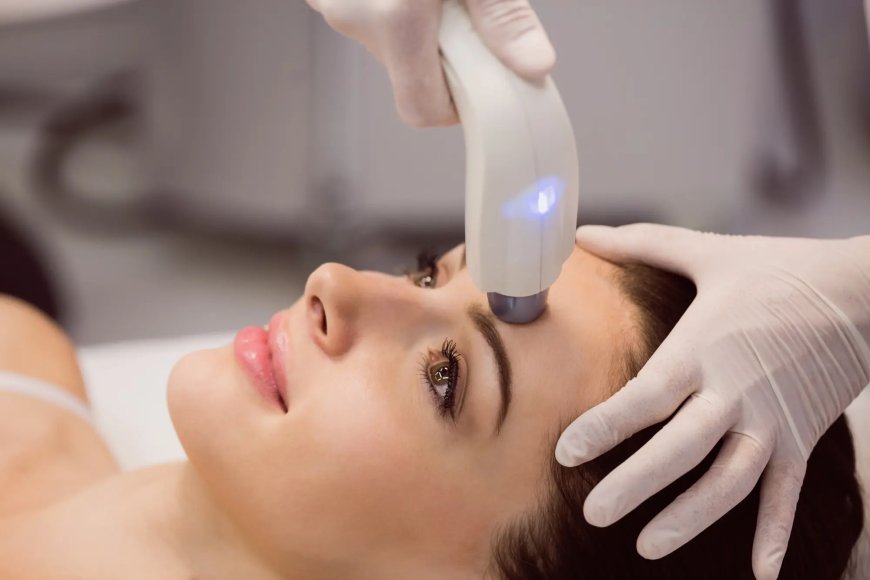
Laser skin resurfacing is often planned as a series rather than a single treatment because skin concerns develop at different depths and respond gradually to controlled laser energy. For people researching Laser Skin Resurfacing in Dubai, Dynamic Clinic in Dubai is one example of a provider offering resurfacing treatments based on individual skin needs. The number of sessions depends on factors such as the treatment method, skin condition, treatment depth, and desired level of improvement.
Why Is One Session Sometimes Not Enough?
Laser resurfacing works by delivering controlled energy to the skin to encourage renewal and support the formation of healthier skin tissue. Depending on the technique, the treatment may target the outermost skin layer, deeper tissue, or both.
A single session can stimulate the skin, but concerns such as acne scars, uneven texture, fine lines, sun-related changes, and pigmentation may require a gradual approach. Treating everything aggressively in one appointment is not always appropriate because the skin needs time to recover between procedures.
Multiple sessions allow treatment intensity to be adjusted according to how the skin responds.
How Does Skin Renewal Influence Treatment Sessions?
Skin remodeling is a gradual biological process. After resurfacing, the skin undergoes a period of repair and renewal. Collagen-related changes can continue as the treated tissue recovers.
For this reason, treatment plans may be divided into separate sessions. This approach can help:
- Gradually improve uneven skin texture
- Address mild to moderate acne scarring
- Support smoother-looking skin
- Target certain signs of sun damage
- Refine the appearance of fine lines
- Allow the skin to recover between treatments
The exact spacing between sessions depends on the laser technology used and the depth of treatment.
What Determines the Number of Laser Resurfacing Sessions?
There is no universal number that applies to every person. A qualified skin professional usually considers several factors before creating a treatment plan.
Type of Skin Concern
Different concerns can require different treatment approaches. Fine surface irregularities may respond differently from deeper acne scars or more established textural changes.
Treatment Depth
Laser resurfacing can range from relatively superficial treatments to procedures that reach deeper layers of the skin. Deeper resurfacing generally requires more recovery and careful treatment planning.
Skin Type and Sensitivity
Skin tone, sensitivity, previous reactions, and the tendency to develop pigmentation changes can influence how treatment is planned. Individual assessment is particularly important when treating darker or pigmentation-prone skin.
Desired Level of Improvement
The goal of treatment also matters. Someone seeking subtle texture refinement may have a different plan from someone addressing more noticeable scarring or extensive sun-related changes.
What Happens Between Resurfacing Sessions?
The interval between treatments is an important part of the overall process. During this period, the skin is allowed to recover and undergo its natural renewal processes.
A skincare professional may assess:
- How well the skin has healed
- Changes in texture and tone
- Any sensitivity or pigmentation changes
- Whether the treatment intensity should be adjusted
- Whether another session is appropriate
This assessment helps prevent a fixed treatment schedule from being applied to every individual.
Can Multiple Sessions Provide More Consistent Progress?
Staged treatment can make it easier to monitor how the skin responds over time. Instead of attempting to make extensive changes during one appointment, practitioners can evaluate the response after each session and modify the approach when necessary.
This is especially relevant when treating concerns that involve different levels of skin texture or pigmentation. A gradual plan may also allow recovery periods to be incorporated into the treatment schedule.
Does Everyone Need the Same Number of Treatments?
No. The number of sessions varies considerably. Some people may need fewer treatments for mild concerns, while more established texture irregularities may require a longer treatment plan.
Previous skincare treatments, sun exposure, age-related skin changes, current skin condition, and the specific resurfacing technique can also affect treatment planning. A consultation provides an opportunity to determine whether resurfacing is appropriate and what type of approach may be suitable.
Why Is Professional Assessment Important?
Laser resurfacing involves controlled treatment of the skin, so choosing the appropriate energy level and treatment depth is important. An assessment can help identify the underlying concern rather than treating skin texture or pigmentation based only on appearance.
A professional evaluation may also help identify situations where another treatment approach would be more appropriate. This is particularly relevant for people with active skin conditions, significant pigmentation concerns, or a history of unusual skin reactions.
Conclusion
Multiple laser skin resurfacing sessions are used because skin renewal and collagen remodeling occur progressively rather than all at once. Treatment plans can be divided into stages to account for the type and depth of the skin concern, individual skin characteristics, recovery, and the response observed after each session. The appropriate number of treatments therefore varies from person to person and should be determined through an individualized skin assessment.
What's Your Reaction?
 Like
0
 Dislike
0
 Love
0
 Funny
0
 Angry
0
 Sad
0
 Wow
0