




















Why Are You Losing More Hair After Washing It?
Have you noticed more hair strands on your hands, towel, comb, or shower drain after washing your hair? This can be concerning, especially when it happens regularly.

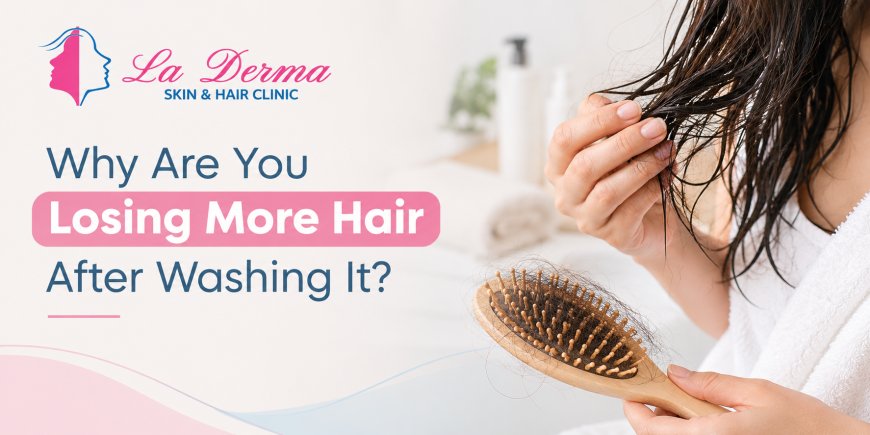
Have you noticed more hair strands on your hands, towel, comb, or shower drain after washing your hair? This can be concerning, especially when it happens regularly. However, washing your hair does not necessarily cause excessive hair loss. In many cases, loose strands that have already reached the shedding stage become more visible during shampooing. If you are experiencing persistent shedding, Hair Fall Treatment in Kolkata can help identify the underlying cause and provide appropriate care.
Hair shedding can occur for several reasons, including the natural hair growth cycle, dandruff, scalp conditions, stress, nutritional deficiencies, hormonal changes, and excessive hair treatments. Understanding the reason behind increased hair fall is important before choosing any treatment.
Is It Normal to Lose Hair After Washing?
Losing some hair while washing is a normal part of the hair growth cycle. Hair continuously moves through growth, transition, resting, and shedding phases. When a strand reaches the end of its cycle, it eventually falls out to make room for new hair growth.
If you do not wash your hair frequently, loose strands may remain trapped between other hairs until your next wash. This can make it appear as though you are suddenly losing a large amount of hair.
However, persistent or excessive shedding should not be ignored. If you notice visible thinning, a widening hair part, bald patches, or continuous hair loss, consulting a dermatologist can help determine the possible cause.
Why Does Hair Fall Seem Worse After Washing?
1. Loose Hair Becomes More Noticeable
Shampooing and rinsing can release hairs that were already in the shedding phase. These strands may have remained tangled with surrounding hair before washing, making the amount of hair seen in the shower appear greater.
Therefore, seeing more hair after washing does not necessarily mean that shampooing caused the hair to fall.
2. Rough Handling Can Cause Hair Breakage
Wet hair is more vulnerable to stretching and breakage. Aggressive brushing, pulling through tangles, or vigorous towel drying can damage fragile strands.
Frequent heat styling, bleaching, coloring, and chemical treatments can also weaken the hair shaft. Gently squeezing excess water from the hair and using a wide-toothed comb can help minimize unnecessary breakage.
3. Dandruff and Scalp Problems
Dandruff can cause flaking, itching, and scalp irritation. Repeated scratching may further irritate the scalp and contribute to hair breakage.
If you have persistent flakes, itching, or scalp discomfort, professional evaluation at a Dandruff Clinic in Kolkata can help determine whether the problem is dandruff or another scalp condition requiring specific treatment.
4. Stress and Lifestyle Factors
Periods of significant physical or emotional stress can sometimes trigger increased hair shedding. Poor sleep, restrictive diets, sudden weight changes, nutritional deficiencies, and certain illnesses may also influence the hair growth cycle.
If hair fall continues for several weeks or months, identifying the underlying trigger is more useful than simply changing shampoos repeatedly.
5. Hormonal and Medical Factors
Hormonal fluctuations and certain medical conditions can contribute to increased hair shedding. Hereditary hair loss and some medications can also affect the hair growth cycle.
A dermatologist can assess your scalp, hair density, and pattern of shedding to determine whether further evaluation may be required.
How Can You Reduce Hair Fall After Washing?
Simple hair-care habits can help protect the hair and scalp:
- Use a shampoo suitable for your scalp type.
- Avoid extremely hot water.
- Massage your scalp gently instead of scratching.
- Do not aggressively rub wet hair with a towel.
- Detangle damp hair carefully with a wide-toothed comb.
- Limit excessive heat styling.
- Avoid unnecessary chemical treatments.
- Maintain a balanced diet with adequate protein and essential nutrients.
- Address persistent dandruff and scalp irritation.
These habits may help reduce unnecessary hair breakage, but persistent hair shedding requires proper evaluation.
When Should You Consult a Dermatologist?
Consider consulting a dermatologist if you experience persistent or rapidly increasing hair fall, visible scalp thinning, a widening hair part, receding hairline, bald patches, excessive hair breakage, or ongoing scalp itching and flaking.
A Top Dermatologist in Kolkata can examine your scalp and hair, review your medical and lifestyle history, identify potential triggers, and recommend an appropriate treatment plan based on the underlying cause.
Hair Fall Care at La Derma Skin & Hair Clinic
Hair fall after washing can result from normal shedding, hair breakage, dandruff, lifestyle factors, or an underlying scalp or medical condition. Instead of assuming that washing itself is responsible, understanding the actual cause can help you take the right steps.
At La Derma Skin & Hair Clinic, Dr. Khushbu Tantia provides dermatological care for various hair and scalp concerns. A professional consultation can help assess persistent hair fall and determine suitable treatment and scalp-care options according to individual needs.
People Also Ask
1. Why does my hair fall more when I wash it?
Washing can release loose hairs that were already in the shedding phase. Hair breakage caused by rough handling, damaged hair, or scalp conditions can also make hair fall appear more noticeable after washing.
2. How much hair loss after washing is normal?
Some daily hair shedding is normal. The amount noticed during washing can vary depending on your natural shedding cycle and how frequently you wash your hair. Persistent excessive shedding or visible thinning should be professionally evaluated.
3. Can shampoo cause excessive hair fall?
A suitable shampoo generally does not directly cause hair loss from the follicle. However, an unsuitable product may irritate the scalp or make the hair dry and prone to breakage. Choosing products according to your scalp type is important.
4. Can dandruff cause hair fall?
Dandruff and other scalp conditions can cause itching and irritation. Repeated scratching may contribute to hair breakage and make shedding more noticeable. Persistent dandruff should be evaluated rather than ignored.
5. Should I stop washing my hair if I have hair fall?
No. Avoiding hair washing does not generally prevent normal shedding. Regular cleansing appropriate for your scalp type can help maintain scalp hygiene and manage scalp conditions.
6. Can stress cause hair fall?
Significant physical or emotional stress can trigger temporary increased hair shedding in some people. If shedding continues, a dermatologist can help determine whether stress or another underlying factor is involved.
7. Can nutritional deficiencies cause hair loss?
Certain nutritional deficiencies may contribute to hair shedding. However, supplements should not be taken unnecessarily. A healthcare professional can determine whether nutritional evaluation is appropriate.
8. When should I consult a dermatologist for hair fall?
Professional evaluation is advisable when hair fall is persistent, rapidly increasing, associated with visible thinning or bald patches, or accompanied by scalp itching, scaling, redness, or other changes.
9. Can hair fall after washing be treated?
Yes, treatment may be possible depending on the underlying cause. A dermatologist can recommend appropriate scalp care, medications, procedures, or other treatment options based on the type and cause of hair loss.
10. Where can I get professional hair fall care in Kolkata?
You can consult Dr. Khushbu Tantia at La Derma Skin & Hair Clinic for professional evaluation of persistent hair fall and other scalp or hair concerns.
What's Your Reaction?
 Like
0
 Dislike
0
 Love
0
 Funny
0
 Angry
0
 Sad
0
 Wow
0





