

























Why Do So Many Traders Still Get Financial Market Research Wrong?

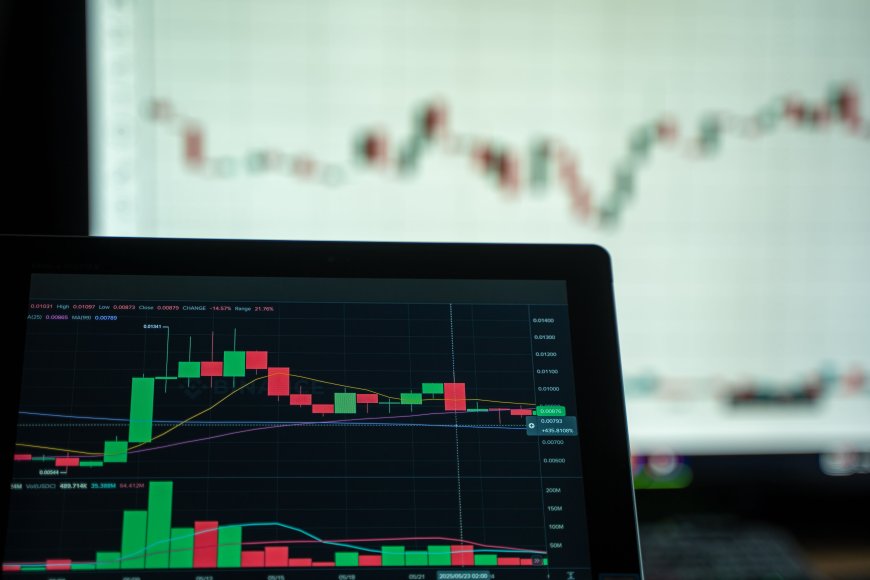
Let's be real, most people think they understand the markets until they actually put money on the line. Then things get messy. There's a strange gap between reading headlines about stocks and actually knowing what's driving price moves underneath the surface. That gap is exactly where financial market research comes in, and it's also where a lot of retail traders quietly fall apart. They skip the boring part. They chase a tip from a forum or a YouTube video and call it a strategy. Truth is, the traders who last more than a few years almost always did the unglamorous homework first.
What Does "Doing The Research" Actually Mean?
This phrase gets thrown around so much it's basically lost meaning. Some people think it means reading a news article before buying a stock. Others think it's staring at a candlestick chart for twenty minutes and calling that analysis. Neither is wrong exactly, but neither is close to enough either. Real research means looking at earnings trends, options activity, volume patterns, and how a company's fundamentals line up (or don't) with how the market is pricing it. It's slow. It's a little tedious. And honestly, it's the part most beginners avoid because it doesn't feel exciting compared to just clicking "buy."
Why Predictive Analytics Keep Coming Up In Every Conversation
You've probably noticed the phrase "predictive analytics" popping up everywhere lately, in fintech ads, on trading forums, in webinars promising easy money (ignore those, by the way). There's a reason it keeps surfacing though. Markets leave footprints. Options volume, open interest, unusual trading patterns — these things tend to shift before big price moves happen, not after. Predictive models try to catch those footprints early. They're not psychic, and anyone who tells you otherwise is selling something. But when built properly, backed by historical backtesting and real quantitative rigor, they give traders a statistical edge instead of a gut feeling.
The Backtesting Problem Nobody Talks About
Here's something that doesn't get said enough: backtesting a strategy on old data and having it work is not the same as that strategy working going forward. Markets change. Volatility regimes shift. What worked beautifully in 2019 might get destroyed in a different environment. So why bother backtesting at all? Because it still tells you something important, it tells you whether an idea has any historical basis whatsoever, or whether it's just noise dressed up as a system. Skipping this step is one of the fastest ways to blow up an account, and plenty of traders learn that lesson the expensive way.
Options And Derivatives Aren't Just For "Advanced" Traders Anymore
There used to be this idea that options were only for hedge fund guys in suits, and equities were for everyone else. That line has blurred a lot. Retail traders now watch options volume and open interest almost as closely as institutional desks do, because that data tells a story equity prices alone can't. Big option flows often hint at where smart money thinks a stock is headed, even before the price itself reacts. Understanding derivatives market activity, even at a basic level, gives a trader context that pure stock-chart-watching just can't provide on its own.
Where Investment Research Tools Actually Fit In
This is the part where a lot of people get stuck. They know research matters, sure, fine. But manually pulling earnings data, cross-checking fundamentals, tracking unusual options activity across dozens of tickers? That's not realistic for one person doing it by hand every single day. This is exactly why investment research tools exist, to pull all these threads together in one place instead of forcing someone to juggle six browser tabs and a spreadsheet at 2am. Good tools don't replace judgment, they just remove the grunt work so a trader can actually think instead of just collecting data.
Quantitative Analysis Isn't As Scary As It Sounds
The word "quantitative" scares a lot of casual investors off, like it's some Wall Street secret language only math PhDs are allowed to touch. It's really not that complicated at its core. Quantitative market analysis just means using numbers and statistical patterns instead of emotion or hunches to make a decision. Did volume spike before a price move? Does a stock's earnings history show a pattern around certain announcements? These are quant questions, and you don't need a doctorate to start asking them, you just need consistent data and the discipline to actually look at it before trading.
The Emotional Side Nobody Wants To Admit
Here's an uncomfortable truth. Even with the best data in the world, most bad trades don't happen because of missing research, they happen because someone ignored the research they already had. Fear and greed override logic more often than people like to admit. A trader sees a stock dropping and panics out of a position the data still supports. Or they get greedy and hold too long past a clear exit signal. Solid market intelligence for investing doesn't just inform decisions, it gives traders something to fall back on when emotions start pulling them in the wrong direction. That's arguably its biggest value, not predicting the future perfectly, but keeping people grounded when things get shaky.
Fundamental Data Still Matters, Even In A Chart-Obsessed World
With everyone talking about technical patterns and algorithmic signals, it's easy to forget that fundamental stock data, earnings, revenue growth, debt levels, still forms the backbone of long-term investing decisions. Charts show what's happening. Fundamentals explain why it might keep happening or why it might not. A stock can look technically strong for weeks while its underlying fundamentals quietly deteriorate, and eventually, that gap closes, usually not gently. Ignoring fundamental analysis in favor of pure chart-watching is a bit like ignoring the engine light because the car still drives fine, for now.
Bringing It All Together
So where does that leave the average trader trying to actually get better at this? The honest answer isn't glamorous. It means combining several layers, fundamentals, options and derivatives activity, quantitative signals, and yes, a healthy respect for backtested history, instead of relying on just one. No single data point tells the whole story, and anyone promising a magic indicator that does is probably not someone worth listening to. Financial markets reward patience and process a lot more than they reward luck, even though luck gets all the attention. Using solid investment research tools alongside a genuine understanding of market intelligence for investing won't guarantee wins, nothing does, but it stacks the odds in a trader's favor. And in a game this unpredictable, that's about as good as it gets.
What's Your Reaction?
 Like
0
 Dislike
0
 Love
0
 Funny
0
 Angry
0
 Sad
0
 Wow
0





