

















Why Do Some Teeth Respond Better to Professional Whitening Than Others?

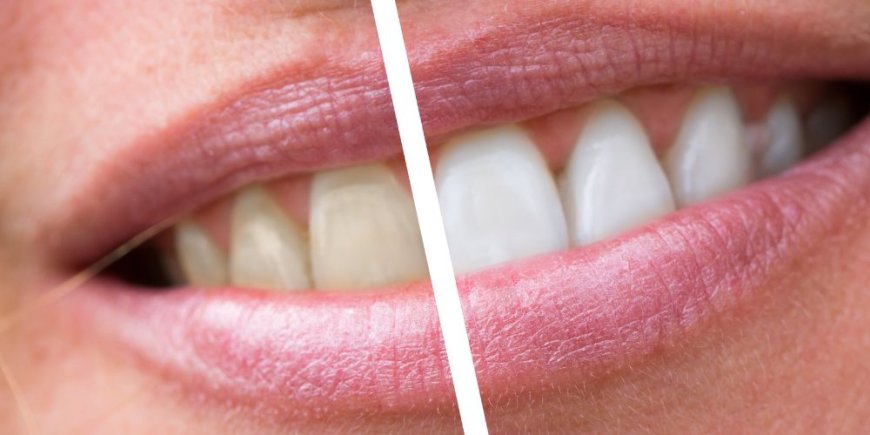
Teeth whitening can make a noticeable difference to your smile, but not everyone gets the same results. Some people see a clear improvement after one treatment, while others may notice a smaller change. This does not necessarily mean that the treatment has not worked. Several factors can affect how well teeth respond to whitening.
Your natural tooth colour, the type of stains you have, the condition of your enamel, your age, and even your lifestyle can all influence the outcome. Understanding these factors can help you have more realistic expectations before starting Professional Teeth Whitening.
Your Natural Tooth Colour Matters
Everyone has a naturally different tooth colour. While some people have naturally lighter teeth, others may have a more yellow, cream, or slightly grey shade.
The colour of your teeth is affected by both enamel and dentin. Enamel is the hard outer layer of the tooth, while dentin is the layer underneath it. Dentin naturally has a yellowish colour, and because enamel is partly transparent, some of this colour can show through.
If your enamel is thinner, the dentin underneath may be more visible. This can make your teeth look darker or more yellow, even when they are healthy.
Because everyone starts with a different natural shade, two people can receive the same whitening treatment and still achieve different results.
The Type of Staining Makes a Difference
Not all tooth stains are the same. The type of discolouration can have a major effect on how well your teeth respond to whitening.
Surface stains develop on the outside of the teeth. They are often caused by coffee, tea, red wine, tobacco, dark-coloured foods, and some soft drinks. These stains can often respond well to whitening because the treatment works on the compounds that cause the teeth to look darker.
Deeper stains are different. These develop inside the tooth and may be linked to ageing, certain medications taken while the teeth were developing, trauma, or natural changes within the tooth.
Deep or internal stains can be more difficult to lighten. This is one reason why a professional assessment can be helpful before treatment.
Age Can Affect Whitening Results
Your teeth naturally change as you get older. Over time, enamel can become thinner because of normal wear. As this happens, more of the naturally yellow dentin underneath can become visible.
Years of exposure to foods, drinks, and tobacco can also cause staining to build up gradually.
Professional Teeth Whitening may help reduce this discolouration, but it cannot completely reverse every change that happens naturally as teeth age. The final result will still depend on the condition and natural structure of your teeth.
Enamel Condition Can Influence the Result
Healthy enamel plays an important role in the appearance of your teeth. The thickness and condition of the enamel can affect how your teeth look before and after whitening.
Whitening products work by breaking down stain molecules within the tooth. They do not simply remove a layer of enamel to make teeth look whiter.
If your enamel has experienced significant wear, the dentin underneath may be more noticeable. This can affect the final appearance after whitening.
People with healthy enamel and those with enamel wear may therefore have different results from the same treatment.
Existing Dental Problems May Affect Treatment
The condition of your teeth and gums should be considered before any whitening treatment.
Problems such as cavities, cracks, damaged teeth, gum irritation, or other dental concerns may need attention first. Whitening products can sometimes cause temporary sensitivity, so treating existing problems can be important for comfort and safety.
A professional assessment can help identify these concerns before treatment begins. It can also help determine whether whitening is suitable for you and what type of treatment may be appropriate.
This is an important part of Professional Teeth Whitening, as treatment can be considered according to the condition of your individual smile.
Fillings, Crowns, and Veneers Do Not Whiten Like Natural Teeth
Another factor to consider is whether you have dental restorations.
Natural teeth can respond to whitening products, but materials used for fillings, crowns, and veneers generally do not change colour in the same way.
For example, if you have a crown that matches your current tooth colour, whitening the surrounding natural teeth may make the crown look darker by comparison.
This does not necessarily mean that you cannot whiten your teeth. However, existing dental work should be considered before treatment so you understand how whitening may affect the overall appearance of your smile.
Tooth Sensitivity Can Affect the Experience
Some people naturally have more sensitive teeth than others. Sensitivity can be related to several factors, including thinner enamel, exposed dentin, gum recession, or previous dental treatment.
Whitening can temporarily increase sensitivity in some people. This happens because whitening ingredients can move through the tooth structure during treatment.
If your teeth are already sensitive, it is important to mention this before whitening. A professional can take your sensitivity into account and discuss suitable treatment options.
This can help make the whitening experience more comfortable while still working towards a brighter smile.
Your Lifestyle Can Affect Whitening Results
Your everyday habits can also influence how long your whitening results last.
Coffee, tea, red wine, tobacco, cola, and strongly coloured foods can contribute to new stains over time. If you regularly consume these products, your teeth may gradually become darker again.
Good oral hygiene can help maintain a cleaner and brighter appearance. Regular brushing and cleaning between your teeth can help control plaque and reduce the buildup that can make teeth look dull.
Drinking water after consuming staining foods or drinks can also help reduce the amount of time these substances stay on your teeth.
Whitening is not a permanent change in tooth colour. Taking care of your teeth and being aware of common staining habits can help you maintain the results for longer.
Why Professional Whitening Results Can Vary
One of the benefits of Professional Teeth Whitening is that your teeth can be assessed before treatment. Factors such as your natural tooth shade, type of staining, enamel condition, sensitivity, and existing dental work can all be considered.
This is useful if you have tried whitening before and did not get the results you expected.
Professional treatment also allows the whitening process to be carried out in a controlled way. You can receive guidance about the treatment and aftercare based on your individual needs.
However, professional treatment does not mean everyone will achieve the same shade. Teeth whitening has natural limitations, and the result depends on the starting condition of your teeth.
Why Some Teeth May Whiten Unevenly
It is possible for individual teeth to respond differently, even when they are in the same mouth.
One tooth may have more staining than another. A tooth that has experienced an injury may also have a different internal colour. Dental restorations can create another difference because they do not whiten in the same way as natural teeth.
As a result, you may notice that some teeth become brighter more quickly than others.
Uneven whitening does not always mean that something has gone wrong. If you are concerned about differences in colour, a professional can examine your teeth and explain what may be causing them.
What Results Should You Expect?
Having realistic expectations is an important part of teeth whitening.
Whitening can reduce many types of stains and make natural teeth look brighter. However, it cannot completely change the natural structure or colour of every tooth.
Deep internal stains, dental restorations, enamel changes, and natural tooth colour can all affect the final result.
For this reason, the goal should not always be to make every tooth exactly the same shade. A more realistic goal is to achieve a brighter and cleaner-looking smile that suits your natural teeth.
Choosing Professional Teeth Whitening can help you understand what type of result may be possible before treatment begins. This can make it easier to approach whitening with realistic expectations.
How to Maintain Your Whitening Results
Taking care of your teeth after whitening can help maintain the results.
Continue brushing your teeth regularly and clean between your teeth to help control plaque. If you drink coffee or tea frequently, consider rinsing your mouth with water afterward.
It is also helpful to be aware of foods and drinks that can cause staining. You do not necessarily need to avoid them completely, but limiting frequent exposure can help reduce new discolouration.
Regular dental check-ups are also important for maintaining healthy teeth and gums. If you notice pain, unusual sensitivity, or a sudden change in tooth colour, speak with a dental professional instead of relying only on cosmetic whitening.
Following the aftercare guidance provided after Professional Teeth Whitening can also help you protect your results.
Final Thoughts
Teeth do not all respond to whitening in the same way. Natural tooth colour, enamel thickness, the type of staining, age, sensitivity, dental restorations, and lifestyle habits can all influence the final result. Understanding these factors can help you have realistic expectations before treatment.
Professional Teeth Whitening can be an effective way to reduce common tooth stains and brighten your natural smile. A professional assessment can also help identify factors that may affect your results and determine the most suitable approach for your teeth.
If you are looking for professional teeth whitening in Sydney, White And Bright Sydney offers professional teeth whitening treatments to help improve the appearance of stained or discoloured teeth. The service is designed to provide a safe, comfortable, and convenient whitening experience based on your individual needs.
Taking good care of your teeth after treatment, maintaining regular oral hygiene, and being mindful of common staining foods and drinks can also help you enjoy a brighter-looking smile for longer.
What's Your Reaction?
 Like
0
 Dislike
0
 Love
0
 Funny
0
 Angry
0
 Sad
0
 Wow
0