














Why Microfiber Rollers Leave Fewer Lint Marks Than Standard Covers

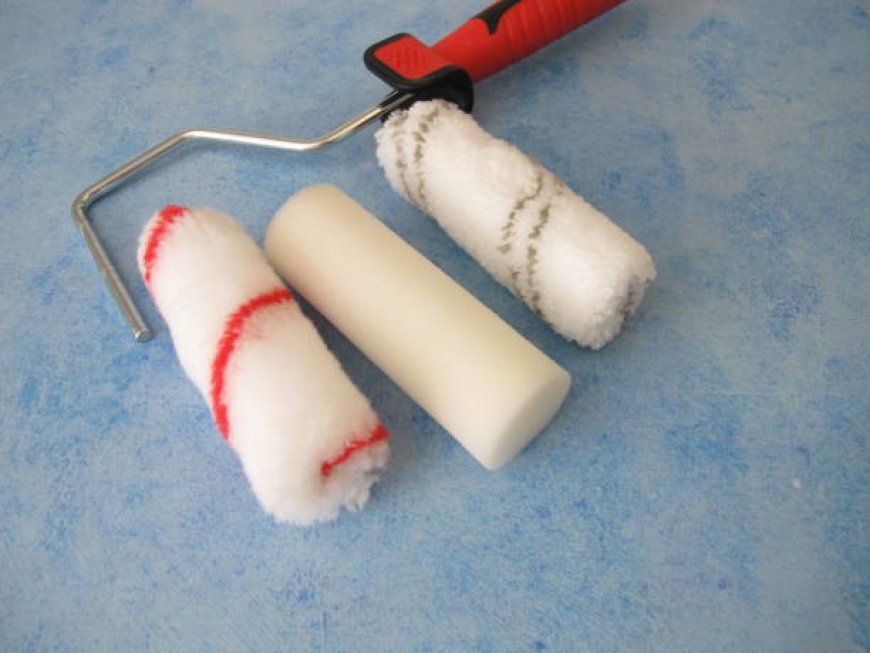
Ever finished painting a wall, stood back to admire it, and then noticed tiny hairs stuck in the paint? Happens more than people like to admit. You spend all that time filling holes, sanding, wiping dust away, and getting the surface right, then a few loose fibers mess up the finish. A microfiber paint roller can help avoid that problem. The fibers are much finer and more tightly held together than what you get with some ordinary roller covers. That doesn't mean every microfiber sleeve is perfect, but when the goal is a clean finish with as little fuzz as possible, the difference is pretty easy to see.
Why Roller Covers Leave Lint Behind
Not all roller covers are made the same. Some use fibers that are thicker, looser, or simply not held together very well. A new cover can be especially annoying. You start rolling and little bits of material come loose almost straight away. Some get caught in the wet paint. Others stick to the roller until you press it harder, and then they end up on the wall anyway. Cheap covers are often the worst offenders, but even a decent standard cover can shed when it's worn or when it's being used on a surface it wasn't really made for. Once that lint dries into the paint, getting it out isn't exactly fun.
Microfiber Keeps Things Tighter
The basic construction of microfiber is what gives it an edge here. The fibers are extremely fine and packed closely together, so there isn't as much loose material sitting around waiting to fall out. When you roll the cover through paint and then across the wall, the fibers stay where they're supposed to. That's the simple part of it. Less shedding means fewer little hairs sitting in your finish. You can still get the odd fiber. Nothing is going to guarantee a completely lint-free wall. But the amount is usually much lower with a good microfiber cover, especially when compared with a cheap roller that's already starting to come apart.
A Smooth Finish Shows Everything
This becomes more important when you're painting something smooth. On a heavily textured wall, a tiny piece of lint may disappear into the surface. On a smooth bedroom wall, cabinet, door, or other flat area? Not so much. You can see every little mistake once the paint dries. Bright daylight makes it worse. You walk past the wall later and there it is, one tiny raised hair catching the light. That's why roller selection matters more than people think. If you're chasing a smooth finish, there's no real reason to introduce extra fibers into the job when you can use a cover designed to shed less.
Microfiber Does More Than Reduce Lint
The lint issue gets most of the attention, but it's not the only useful thing about microfiber. These rollers are also good at picking up and holding paint. The fine fibers grab the coating and release it in a fairly controlled way as you roll. That can help you get more even coverage without constantly going back to the tray. Of course, you can still overload the roller. Everyone has done that. You dunk it too far, lift it out looking like you've got a paint-soaked brick, then wonder why the wall has runs. The roller can't fix that. But when it's loaded properly, microfiber gives you a nice, steady application.
Don't Blame the Roller for Everything
Here's where things get a little less simple. Sometimes what looks like roller lint isn't actually coming from the roller. Dust can be left on the wall after sanding. Tiny bits of old paint can loosen. Even dirt from the room can land on wet paint. If the surface wasn't cleaned properly, you'll still get bumps regardless of how expensive your roller was. Give the wall a proper wipe before you start. Let it dry. Check the surface once more before opening the paint. It's boring work, yeah, but boring is better than repainting an entire section because you found debris after it dried.
The Nap Still Has To Match the Surface
There's a temptation to think microfiber automatically means better. It doesn't. You still need the right nap. A short nap is generally better suited to smooth surfaces because it puts down less texture. A thicker nap can make more sense when the wall has some texture that needs to be covered. Pick the wrong one and you can end up with a finish that looks rough even though the roller itself isn't shedding. Read the packaging. Check what the paint manufacturer suggests. If you're unsure, ask someone who actually paints regularly rather than guessing based on what looks good on the shelf.
Don't Abuse the Roller While Painting
Technique matters too, even if nobody wants to hear that. Pressing the roller into the wall like you're trying to squeeze every last drop of paint out of it isn't going to improve the finish. It can flatten the fibers, spread paint unevenly, and generally make the job harder. Keep the pressure fairly light. Let the roller move. Reload when it starts running dry. And if the sleeve is getting damaged, stop using it. A cover that's already falling apart isn't suddenly going to behave better because you've got another two hours of painting left.
What to Look for When Buying a Cover
If you're replacing old roller covers, don't just grab whatever is cheapest. Look at the fiber material and the recommended surface. Check the nap. Check whether the cover is suitable for the paint you're using. When browsing paint rollers for sale, you'll find plenty of options that look almost identical until you actually use them. That's where the quality difference shows up. A good cover should hold together, pick up paint evenly, and leave the surface looking consistent. Spending a little more on the sleeve can be cheaper than wasting paint and time trying to correct a bad finish.
Fewer Fibers, Fewer Problems
At the end of the day, that's really what microfiber brings to the job. It doesn't turn an average painter into a professional overnight, and it won't hide poor preparation. What it can do is remove one irritating problem from the process. The fine, tightly packed fibers are less likely to break loose and get trapped in wet paint. That means fewer lint marks and a cleaner-looking finish, particularly on smooth surfaces where every little defect stands out. Use the right nap, keep the surface clean, don't hammer the roller into the wall, and replace the cover when it starts breaking down. Nothing fancy. Just the right tool doing its job.
What's Your Reaction?
 Like
0
 Dislike
0
 Love
0
 Funny
0
 Angry
0
 Sad
0
 Wow
0