





















Why Rhinoplasty Remains a Popular Cosmetic Procedure
Discover why rhinoplasty remains popular, from improved facial balance and breathing to personalized results, recovery considerations, and consultation tips.

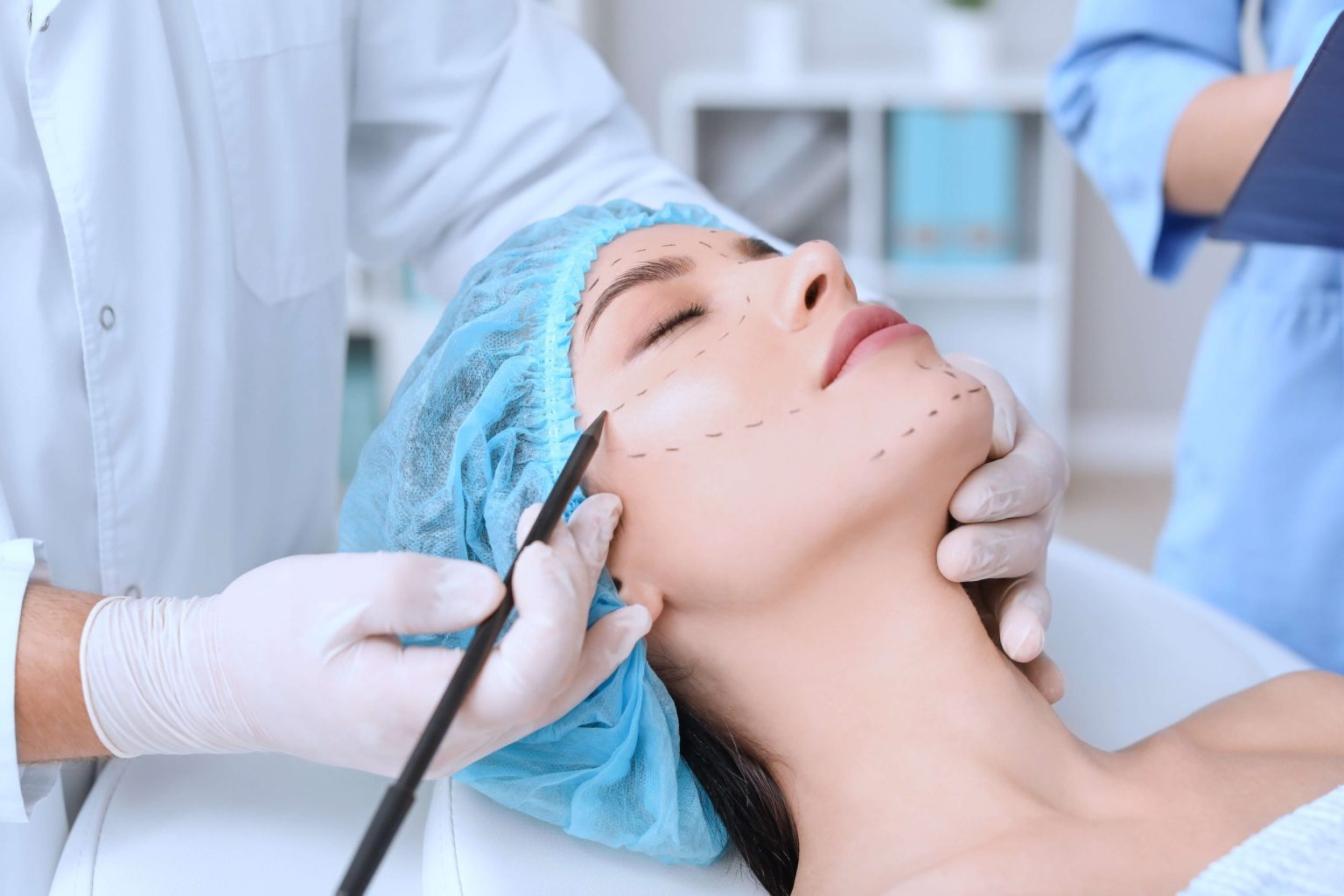
A person’s nose sits at the center of the face, so even subtle changes can influence overall appearance and facial balance. For many people, rhinoplasty in utah offers a way to address concerns about shape, proportion, or breathing while maintaining natural-looking features. Its lasting popularity comes from its ability to combine aesthetic refinement with functional goals. Understanding what the procedure can offer helps patients approach the decision with realistic expectations.
Why Rhinoplasty Continues to Attract Patients
Rhinoplasty remains one of the most recognized cosmetic procedures because the nose has such an important role in facial appearance. Patients may seek changes to the bridge, tip, nostrils, or overall size when they feel a particular feature looks out of proportion.
However, appearance is only one part of the conversation. A properly planned procedure may also address certain structural concerns that affect nasal airflow. This combination of aesthetic and functional considerations makes rhinoplasty relevant to a broad range of patients.
Personalized Changes Can Create Better Facial Balance
Rather than following a standard template, a rhinoplasty surgeon evaluates how the nose relates to the rest of the face. Facial structure, skin characteristics, existing nasal proportions, and personal preferences can all influence the surgical plan.
For example, reducing a prominent bridge may produce a different visual effect depending on the patient's forehead, cheeks, chin, and jawline. The goal is generally to create harmony rather than make the nose look disconnected from the rest of the face.
Small Adjustments Can Make a Noticeable Difference
Rhinoplasty does not always involve dramatic changes. In some cases, relatively modest adjustments can improve proportions while preserving recognizable facial characteristics.
This is particularly important for people who want a refined appearance without an obviously altered look. A thoughtful surgical plan considers what should change as well as what should remain unchanged.
Rhinoplasty Can Address Functional Concerns
Although rhinoplasty is often associated with cosmetic improvement, nasal surgery can also involve functional considerations. Structural problems, previous injuries, or certain anatomical variations may contribute to difficulty breathing through the nose.
Patients should discuss breathing concerns during their consultation rather than assuming cosmetic surgery cannot address them. The appropriate approach depends on the individual anatomy and the underlying cause of the problem.
Cosmetic and Functional Goals May Overlap
The structure of the nose influences both appearance and airflow. Consequently, changes made to improve proportions may need to account for internal nasal structures and breathing function.
A qualified surgeon can evaluate these factors before recommending an approach. This assessment helps ensure that aesthetic goals do not unnecessarily compromise nasal function.
A Consultation Helps Identify Individual Needs
No two noses are exactly alike. During a consultation, patients can discuss their concerns, medical history, previous injuries or procedures, breathing issues, and desired outcome.
The surgeon may also examine the external and internal structures of the nose. This information provides a foundation for discussing what changes may be realistic.
What Makes Rhinoplasty Different From Other Cosmetic Procedures?
Many cosmetic procedures focus on a specific area of the body, but rhinoplasty has a particularly strong relationship with overall facial proportions. Because the nose is centrally positioned, even a small change may affect how other facial features are perceived.
This is why planning matters so much. A change that looks appealing in isolation may not produce the same effect when viewed as part of the entire face.
| Consideration | Why It Matters |
|---|---|
| Facial proportions | Helps determine how the nose relates to other features |
| Nasal structure | Influences the surgical approach and possible changes |
| Skin characteristics | Can affect how certain refinements appear |
| Breathing function | Important when functional concerns are present |
| Personal goals | Helps establish realistic expectations |
| Recovery | Allows patients to plan appropriately after surgery |
Considering these factors together allows patients to have a more informed discussion with their surgeon.
Natural-Looking Results Are a Major Consideration
One reason rhinoplasty remains popular is the growing emphasis on individualized, natural-looking results. Many patients do not want their nose to become the most noticeable feature of their face.
Instead, they may prefer subtle refinement that complements their existing appearance. The desired result can vary significantly from one person to another, so communication is essential.
Share Specific Concerns With Your Surgeon
Patients can make consultations more productive by explaining what they would like to change. Rather than simply saying they want a “better-looking nose,” they might identify concerns such as a dorsal hump, nasal tip shape, asymmetry, or width.
It is also useful to explain what you do not want to change. Clear communication gives the surgeon more information when developing an individualized treatment plan.
Realistic Expectations Matter
Rhinoplasty can produce meaningful changes, but it cannot create perfection or guarantee that a patient will look exactly like a reference photograph. Facial anatomy, healing, skin characteristics, and surgical limitations all affect the final outcome.
For that reason, patients should focus on achievable improvements rather than trying to copy another person's nose.
How to Prepare for a Rhinoplasty Consultation
A consultation is an opportunity to learn whether the procedure fits your goals and circumstances. Preparing questions in advance can make the conversation more useful.
Questions Worth Asking
Consider asking:
- What changes are realistic for my facial structure?
- What approach would you recommend and why?
- Could the procedure affect my breathing?
- What should I expect during recovery?
- What risks and complications should I understand?
- How long might swelling last?
- What restrictions should I follow after surgery?
- What happens if additional treatment is needed?
Patients should also provide accurate information about medications, allergies, previous nasal procedures, and relevant medical history.
Understanding the Recovery Process
Recovery is an important part of the decision-making process. Swelling and bruising can occur after surgery, and the early appearance of the nose may not represent the eventual result.
Because healing takes time, patients should follow their surgeon's postoperative instructions carefully. Protecting the nose from unnecessary pressure or injury can also be important during recovery.
Plan for Time Away From Normal Activities
The amount of downtime varies from person to person and depends on the procedure performed. Patients should ask their surgeon when they can return to work, exercise, social activities, and other regular routines.
Planning ahead can reduce unnecessary stress. It is better to arrange adequate recovery time than to assume the nose will look or feel fully settled immediately after surgery.
Choosing a Rhinoplasty Surgeon
Selecting a qualified surgeon is one of the most important steps in the process. Patients should review relevant credentials, training, surgical experience, and the type of procedures the surgeon regularly performs.
A consultation should also provide an opportunity to discuss the surgeon's approach and expectations. Patients should feel comfortable asking questions and seeking clarification before making a decision.
Look Beyond Before-and-After Photos
Before-and-after photographs can provide useful examples, but they should not be the only factor considered. A result that looks appropriate on one person's face may not be suitable for another.
Instead, use photographs as a starting point for discussing what you like and dislike. The more individualized the conversation, the easier it becomes to establish realistic goals.
Who May Consider Rhinoplasty?
Rhinoplasty may be considered by adults who have specific concerns about nasal appearance, structure, or function and who understand the potential benefits and limitations of surgery.
Some people have been concerned about their nose for years, while others develop concerns following an injury or changes associated with aging. Regardless of the reason, the decision should be based on personal goals rather than pressure from others.
Personal Motivation Is Important
Cosmetic surgery is a personal decision. Patients should consider whether the procedure addresses a concern that genuinely matters to them.
Expectations also deserve careful attention. A procedure should not be viewed as a guaranteed way to change someone's relationships, career, or overall happiness.
Potential Benefits and Considerations
Rhinoplasty can offer several potential benefits, but patients should consider both advantages and limitations before proceeding.
Potential benefits may include:
- Improved facial proportions
- Refinement of the nasal shape
- Greater alignment with personal aesthetic preferences
- Correction of certain structural concerns
- Potential improvement in nasal airflow when functional problems are addressed
At the same time, surgery involves risks, recovery, cost, and the possibility that results may differ from expectations. A qualified surgeon can explain these factors based on the patient's individual situation.
Why Individualized Planning Matters
The popularity of rhinoplasty does not mean the procedure should be approached casually. Its success depends on careful evaluation, realistic goals, appropriate technique, and attentive recovery.
A personalized plan can account for facial anatomy and the patient's priorities rather than applying the same approach to everyone. This patient-centered process is especially important when both cosmetic and functional goals are involved.
Making an Informed Decision
Anyone considering rhinoplasty should gather information from qualified medical professionals and take time to understand the procedure. Online research can provide general education, but it cannot replace an individualized examination.
A useful decision-making process includes reviewing the surgeon's qualifications, discussing goals openly, understanding possible risks, and learning what recovery may involve. Patients should also feel comfortable seeking a second professional opinion when they want additional perspective.
Conclusion
Rhinoplasty remains popular because it can address one of the most visible features of the face while potentially considering both appearance and nasal function. Its appeal comes from the possibility of creating more balanced proportions, refining specific concerns, and developing a result suited to an individual's anatomy. Still, successful treatment begins with realistic expectations and careful planning. Anyone considering rhinoplasty should discuss their goals, medical history, breathing concerns, recovery expectations, and potential risks with a qualified surgeon. With informed decision-making and personalized care, patients can better understand whether rhinoplasty aligns with their needs and desired outcome.
FAQs
1. What is rhinoplasty?
Rhinoplasty is surgery that changes the shape or structure of the nose. Depending on the patient's needs, it may address cosmetic concerns, functional issues, or both.
2. Why do people choose rhinoplasty?
People may consider rhinoplasty to improve nasal proportions, refine a specific feature, address asymmetry, or discuss certain breathing concerns with a qualified surgeon.
3. Does rhinoplasty always create a dramatic change?
No. The extent of change depends on the patient's anatomy and goals. Some procedures focus on subtle refinements that maintain the person's natural facial character.
4. How long does rhinoplasty recovery take?
Recovery varies depending on the individual and the surgical approach. Initial swelling and bruising generally improve over time, while the final shape may take longer to settle.
5. How should I choose a rhinoplasty surgeon?
Review the surgeon's relevant credentials, training, experience, and approach to rhinoplasty. During consultation, ask about realistic results, risks, recovery, and how the procedure would be tailored to your anatomy.
What's Your Reaction?
 Like
0
 Dislike
0
 Love
0
 Funny
0
 Angry
0
 Sad
0
 Wow
0




