












Women’s Clothing & Accessories: Everyday Style Guide
Build better everyday outfits with practical tips for choosing women’s clothing, bags, shoes, jewellery and accessories for different occasions.

Getting dressed well every day does not require a huge wardrobe.
In most cases, good style comes from understanding how different pieces work together. The right combination of clothing, shoes, bags, jewellery and small accessories can make even a simple outfit feel more complete.
For many women, the challenge is not buying more clothes. It is figuring out how to create more outfits from the clothes and accessories they already own.
That is where a practical approach to womens clothing and styling becomes useful.
Instead of following every new trend, it is often better to build a wardrobe around versatile basics, comfortable footwear, useful bags and accessories that can be mixed across different occasions.
This guide explains how to combine clothing with handbags, loafers, sandals, jewellery, sunglasses and hair accessories while keeping everyday style practical, balanced and easy to maintain.
What Accessories Make a Simple Outfit Look Better?
A simple outfit can look more polished with one or two carefully chosen accessories.
For example, a plain top and trousers can feel more complete with a structured handbag, simple bracelet, pair of sunglasses or stylish hair accessory.
The key is balance.
Too many accessories can make an outfit feel busy, while the right few pieces can create a clear focal point.
A good rule is to choose accessories that support the outfit rather than compete with it.
Why Clothing and Accessories Should Be Planned Together
Many people think about clothing first and accessories afterwards.
That can work, but planning them together often creates better results.
An outfit includes more than just a dress, shirt or trousers. The bag, shoes, jewellery and even hair accessories influence the final appearance.
For example:
-
A structured handbag can make a casual outfit look smarter.
-
Loafers can make trousers feel more polished.
-
A colourful bracelet can add personality to neutral clothing.
-
A simple hair band can make an everyday look feel more intentional.
-
Sunglasses can add visual interest to a minimal outfit.
Thinking about the full look makes it easier to create outfits that feel complete without becoming overly styled.
Start With a Strong Everyday Wardrobe
A practical wardrobe begins with versatile clothing.
You do not need dozens of similar items. Instead, focus on pieces that can be worn in several ways.
Useful everyday clothing may include:
-
Neutral tops
-
Shirts
-
Comfortable trousers
-
Jeans
-
Long skirts
-
Casual dresses
-
Cardigans
-
Lightweight layers
-
Simple traditional wear
-
Smart-casual outfits
The goal is to create a base that can be changed easily with accessories.
A white shirt, for example, can look different depending on whether you pair it with jeans and sneakers, trousers and loafers or a long skirt and structured handbag.
Understanding Your Personal Style
Personal style becomes easier when you identify the types of outfits you actually enjoy wearing.
Ask yourself:
-
Do I prefer minimal or decorative clothing?
-
Do I wear more neutral or bright colours?
-
Do I dress casually most days?
-
Do I need office-friendly outfits?
-
Do I wear traditional clothing regularly?
-
Do I prefer flats, loafers or sandals?
-
Do I carry large bags or smaller bags?
Your answers help determine which clothing and accessories will be most useful.
There is little value in buying an item simply because it is popular if it does not suit your routine.
How to Build Outfits Around Neutral Clothing
Neutral clothing is useful because it can be styled repeatedly without looking identical.
Common neutral colours include:
-
Black
-
White
-
Beige
-
Cream
-
Grey
-
Navy
-
Brown
-
Tan
These colours create an easy base for accessories.
For example, a beige outfit can be paired with:
-
Brown handbag
-
Black loafers
-
Gold-tone bracelet
-
Neutral sunglasses
-
Cream hair band
The result feels coordinated without every item needing to match exactly.
How to Use Colour Without Overdoing It
You do not have to avoid colour.
The easiest approach is to use colour strategically.
Try one of these methods:
One Statement Accessory
Keep the clothing neutral and add one colourful bag, pair of shoes or jewellery piece.
Similar Colour Family
Combine related shades such as beige, tan and brown.
Colour Echoing
Repeat one colour in two small areas of the outfit.
For example, a burgundy bag and a small burgundy hair accessory can create visual connection without looking overly matched.
Contrast
Use a strong accessory colour against simple clothing.
A bright handbag can make an all-black or all-white outfit more interesting.
How to Choose Accessories for Everyday Outfits
Accessories should reflect both style and practicality.
For regular use, focus on pieces that are easy to combine.
Useful everyday accessories include:
-
Medium handbag
-
Shoulder bag
-
Crossbody bag
-
Loafers
-
Sandals
-
Simple bracelets
-
Stud or small earrings
-
Hair bands
-
Hair clips
-
Sunglasses
-
Small wallet
These can be mixed across many outfits.
How Many Accessories Should You Wear at Once?
There is no strict rule, but fewer well-chosen accessories usually create a cleaner look.
For everyday outfits, two to four visible accessories may be enough.
For example:
-
Handbag
-
Watch or bracelet
-
Sunglasses
-
Hair accessory
If one piece is bold or decorative, keep the others simpler.
Balance is more important than quantity.
Styling for University
University outfits need to balance comfort, practicality and personal style.
You may be walking, sitting in class for long periods and carrying notebooks or devices.
Useful combinations include:
-
Jeans + top + loafers + crossbody bag
-
Wide-leg trousers + shirt + sandals + tote
-
Long skirt + simple top + flats + shoulder bag
-
Casual dress + loafers + compact handbag
For accessories, keep things lightweight.
Hair bands, small jewellery pieces and practical bags work particularly well.
Styling for the Office
Office clothing usually benefits from cleaner lines and more structured accessories.
Useful combinations include:
-
Tailored trousers + shirt + loafers + structured handbag
-
Midi skirt + blouse + simple flats + tote
-
Modest dress + neutral bag + minimal jewellery
-
Blazer + trousers + classic loafers
Avoid carrying too many statement accessories at once.
A structured bag, clean footwear and simple jewellery are often enough to make the outfit feel professional.
Styling for Casual Outings
Casual outings allow more flexibility.
Try combinations such as:
-
Jeans + T-shirt + shoulder bag
-
Casual dress + sandals + bracelet
-
Relaxed trousers + top + loafers
-
Long skirt + blouse + small handbag
This is also a good opportunity to use colour, pattern or trend-driven accessories.
Styling for Family Gatherings
Family gatherings often sit between casual and formal.
A balanced outfit may include:
-
Traditional clothing + small handbag
-
Long dress + elegant sandals
-
Smart-casual trousers + statement blouse
-
Saree + compact clutch
Jewellery, handbags and hair accessories can add polish without requiring a heavily formal look.
Styling for Weddings and Special Events
For weddings or formal celebrations, accessories often become more decorative.
Useful options include:
-
Clutch bag
-
Compact handbag
-
Decorative bracelet
-
Statement earrings
-
Elegant sandals
-
Embellished hair accessories
The best approach is to decide which element should be the focus.
If the outfit is highly detailed, choose simpler accessories.
If the clothing is minimal, accessories can be more expressive.
Styling for Travel
Travel clothing should prioritise comfort.
Useful items include:
-
Comfortable trousers
-
Loose tops
-
Lightweight layers
-
Crossbody bag
-
Comfortable loafers or sandals
-
Sunglasses
Avoid heavy jewellery or bags that are difficult to carry for long periods.
A crossbody bag can be especially useful because it keeps important items easy to access.
Handbags and Outfit Styling
A handbag can change the entire mood of an outfit.
Structured Handbags
Best for:
-
Office
-
Meetings
-
Smart-casual outfits
-
Formal occasions
Shoulder Bags
Best for:
-
Everyday wear
-
Shopping
-
Casual outings
-
University
Crossbody Bags
Best for:
-
Travel
-
Shopping
-
Casual days
-
Busy schedules
Clutches
Best for:
-
Weddings
-
Dinner
-
Formal events
-
Celebrations
Totes
Best for:
-
Office
-
University
-
Travel
-
Carrying multiple items
Choosing the Right Bag Colour
If you want one bag that works with many outfits, start with neutral shades.
Useful colours include:
-
Black
-
Brown
-
Tan
-
Beige
-
Cream
-
Navy
-
Grey
Once you already own versatile neutral bags, colourful options can add variety.
How to Style Loafers With Women’s Clothing
Loafers can make casual outfits look more polished.
They work particularly well with:
-
Straight-leg trousers
-
Jeans
-
Wide-leg trousers
-
Midi skirts
-
Shirt dresses
-
Office outfits
Black loafers are usually more formal, while brown or tan styles feel slightly more relaxed.
For a smart-casual look, combine neutral loafers with trousers and a clean top.
How to Style Sandals
Sandals are especially practical in warm weather.
They can be paired with:
-
Dresses
-
Long skirts
-
Casual trousers
-
Traditional outfits
-
Relaxed everyday clothing
Flat sandals work well for everyday use, while slightly more decorative designs can suit events and dinners.
How to Use Jewellery Without Making an Outfit Too Busy
Jewellery works best when it creates one clear visual direction.
If you wear statement earrings, consider keeping the bracelet or necklace simple.
If you wear multiple bracelets, keep the rest of the jewellery minimal.
For everyday wear, small pieces are often easier to style repeatedly.
Examples include:
-
Thin bracelet
-
Small earrings
-
Minimal pendant
-
Simple watch
Bracelet Styling Tips
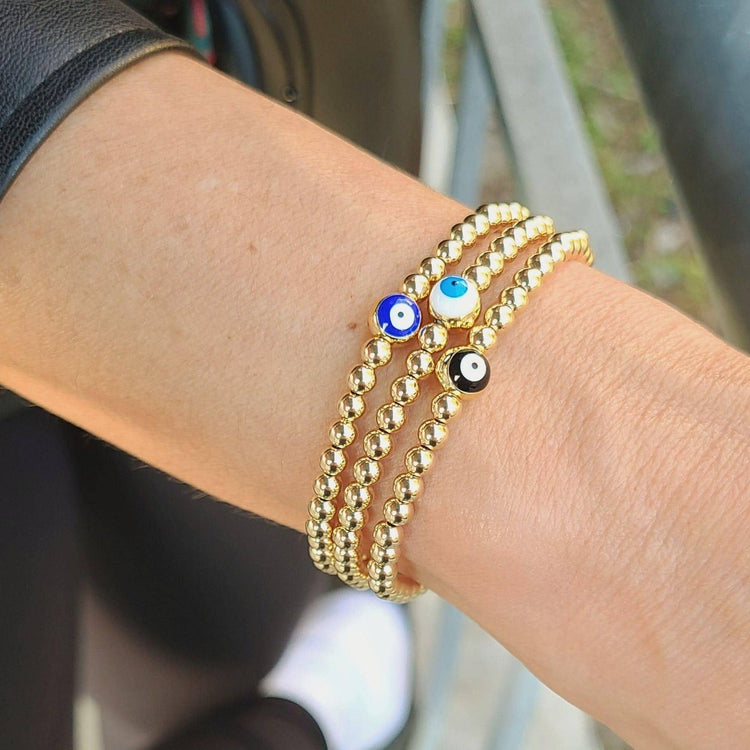
Bracelets can work with both traditional and Western clothing.
For everyday use:
-
Wear one simple bracelet with a watch.
-
Stack two or three thin bracelets.
-
Choose neutral metallic finishes.
-
Avoid stacking too many heavy pieces.
For special occasions, decorative bracelets can become part of the main outfit.
Sunglasses as a Fashion Accessory
Sunglasses are practical and can also strengthen the overall style of an outfit.
Simple frames in black, brown or tortoiseshell-style finishes are especially versatile.
When choosing sunglasses, consider:
-
Face shape
-
Frame size
-
Comfort
-
Lens coverage
-
How often you will wear them
The best sunglasses should feel comfortable while complementing your everyday wardrobe.
How to Style Hair Accessories
Hair accessories can make simple outfits look more polished with very little effort.
Popular options include:
-
Hair bands
-
Clips
-
Scrunchies
-
Hair ties
-
Decorative pins
Hair Bands
Hair bands work well with casual, university and smart-casual outfits.
Neutral colours are easy to style, while brighter designs can become a statement.
Hair Clips
Clips can help create neat hairstyles quickly.
Simple metal or neutral designs work well for everyday wear.
Scrunchies
Scrunchies create a softer, more casual look and can coordinate with outfit colours.
How to Match Hair Accessories With Clothing
You do not need exact colour matching.
Instead, try:
-
Similar colour families
-
Neutral accessories with bright outfits
-
Bold accessories with simple outfits
-
Repeating a small colour from the outfit
This creates coordination without making the look feel forced.
Outfit Planning Guide
|
Occasion |
Clothing |
Shoes |
Bag |
Accessories |
|
University |
Jeans + top |
Loafers |
Crossbody |
Hair band |
|
Office |
Trousers + shirt |
Classic loafers |
Structured handbag |
Bracelet |
|
Casual outing |
Dress or jeans |
Sandals |
Shoulder bag |
Sunglasses |
|
Wedding |
Traditional or formal wear |
Dressy sandals |
Clutch |
Jewellery |
|
Shopping |
Relaxed trousers + top |
Comfortable flats |
Crossbody |
Sunglasses |
|
Travel |
Comfortable layers |
Loafers or sandals |
Secure crossbody |
Minimal jewellery |
Creating a Capsule-Style Accessory Collection
You do not need a large number of accessories.
A compact collection can include:
1 everyday handbag
Choose a medium neutral design.
1 crossbody bag
Useful for travel and casual outings.
1 formal bag or clutch
For events and weddings.
1 pair of black or brown loafers
Useful for office and smart-casual outfits.
1 pair of comfortable sandals
Ideal for warmer weather and casual use.
2–3 simple jewellery pieces
Such as a bracelet, earrings or watch.
2–3 hair accessories
Neutral hair bands or clips.
1 pair of versatile sunglasses
Preferably in a neutral frame colour.
This combination can support many different outfits.
How to Shop More Strategically
Before buying something new, ask:
-
Can I wear this with at least three items I already own?
-
Does it suit my lifestyle?
-
Will I use it regularly?
-
Is it comfortable?
-
Is the quality acceptable?
-
Am I buying it because I like it or because it is trending?
These questions can help reduce unnecessary purchases.
Avoid Buying Too Many Similar Items
It is easy to collect several nearly identical handbags, tops or accessories.
Instead, look for variety in function.
For example:
-
One medium everyday handbag
-
One formal clutch
-
One practical crossbody
-
One tote
This creates more useful options than owning four similar shoulder bags.
Invest in Versatile Pieces First
Versatile items should form the foundation of your wardrobe.
These may include:
-
Neutral clothing
-
Comfortable shoes
-
Practical handbags
-
Minimal jewellery
-
Simple hair accessories
Trend-driven pieces can then be added gradually.
Quality Over Quantity
A smaller wardrobe of useful pieces can often be more effective than a large wardrobe filled with rarely worn items.
Quality does not always mean choosing the most expensive option.
Instead, check:
-
Fabric quality
-
Stitching
-
Fit
-
Comfort
-
Hardware
-
Durability
-
Versatility
A piece that you wear repeatedly offers more value than something that looks good but remains unused.
How to Create a Coordinated Lifestyle Wardrobe
The easiest way to create a coordinated wardrobe is to choose a loose colour palette.
For example:
Base colours:
-
Black
-
Cream
-
Beige
-
Navy
Accent colours:
-
Burgundy
-
Green
-
Soft pink
Accessories:
-
Brown or black handbags
-
Neutral loafers
-
Gold-tone or silver-tone jewellery
With this approach, more pieces naturally work together.
Women exploring women’s lifestyle products in Bangladesh can compare bags, shoes, jewellery and other accessories together rather than buying each category in isolation. This can make it easier to create combinations that work across everyday, office and occasion wear.
Common Styling Mistakes to Avoid
Wearing Too Many Statement Pieces
If the bag, shoes, jewellery and hair accessory are all bold, the outfit may lose focus.
Ignoring Comfort
Shoes and clothing should not become uncomfortable after a short period.
Buying Only for Trends
Trends can be useful for inspiration, but your daily routine should influence what you buy.
Using Too Many Unrelated Colours
A clear colour direction usually creates a more polished appearance.
Forgetting Proportion
Large bags, oversized jewellery or chunky shoes can change the visual balance of an outfit.
Consider how each item works with your overall silhouette.
How to Refresh an Outfit Without Buying New Clothes
Accessories are one of the easiest ways to refresh existing clothing.
Try:
-
Changing the handbag
-
Adding a bracelet
-
Wearing different loafers
-
Using a colourful hair band
-
Adding sunglasses
-
Switching from sandals to structured shoes
A familiar outfit can feel very different with a few small changes.
Frequently Asked Questions
What accessories make a simple outfit look better?
A structured handbag, simple jewellery, sunglasses, hair accessories or stylish shoes can make a basic outfit feel more polished.
How many accessories should a woman wear?
There is no fixed number, but two to four visible accessories are often enough for an everyday outfit. Balance matters more than quantity.
What handbag colour is easiest to style?
Black, tan, brown, beige, cream, grey and navy are among the easiest handbag colours to coordinate.
Can loafers be worn with dresses?
Yes. Loafers can work particularly well with shirt dresses, midi dresses and simple smart-casual styles.
How do I make my wardrobe look more coordinated?
Choose a consistent base colour palette and invest in versatile shoes, bags and accessories that work with multiple outfits.
Do my shoes and bag need to match?
No. They can be complementary rather than identical. Similar tones, textures or overall style can create a coordinated look.
Which accessories should I buy first?
Start with a versatile handbag, comfortable shoes, simple jewellery and a few practical hair accessories.
Final Thoughts
Everyday style does not need to be complicated.
A practical wardrobe starts with clothing that fits your routine and accessories that can be reused across different outfits.
Instead of trying to follow every trend, focus on combinations that make you feel comfortable and well put together.
Neutral clothing can provide a strong foundation, while handbags, loafers, sandals, bracelets, sunglasses and hair accessories can add personality and variety.
The goal is not to wear more.
It is to make each piece work harder.
When clothing and accessories are chosen with versatility, comfort and coordination in mind, getting dressed becomes easier and your wardrobe becomes more useful.
Good style is often less about having more options and more about knowing how to combine the right ones.
What's Your Reaction?
 Like
0
 Dislike
0
 Love
0
 Funny
0
 Angry
0
 Sad
0
 Wow
0