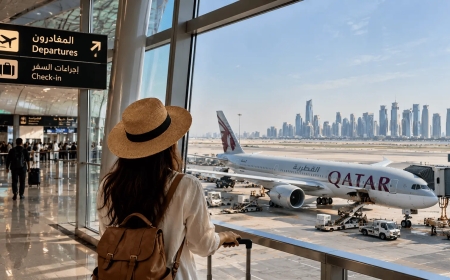
Work Visa Document Verification: Complete Guide & Tips
Learn how work visa document verification works, which documents may need verification, common requirements, processing considerations, and tips for preparing international applications.

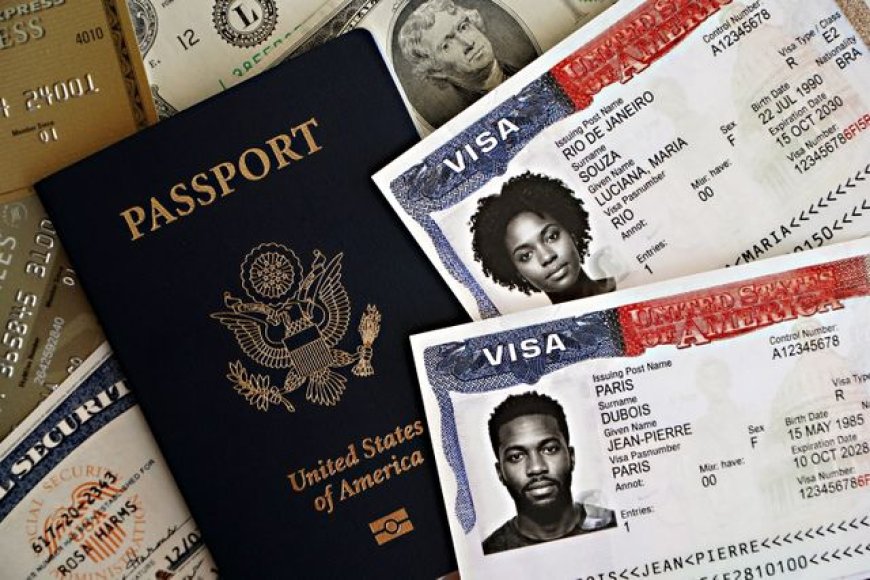
International employment often involves more than securing a job offer and submitting a visa application. Many countries require applicants to provide official documents that demonstrate their identity, education, professional qualifications, employment history, or other relevant information. As part of this process, work visa document verification may be required to confirm that submitted documents are genuine and suitable for use in an immigration or employment application.
Understanding document verification before starting a work visa application can help applicants prepare more effectively. Requirements differ by country, visa category, profession, and the authority receiving the documents, so applicants should always confirm the current rules that apply to their circumstances.
What Is Work Visa Document Verification?
Work visa document verification is a process used to establish the authenticity and validity of documents submitted for an international employment or immigration application.
Documents may be checked against the records of the issuing institution or authority. Depending on the document, verification may involve educational institutions, professional bodies, government departments, employers, or other authorised organisations.
The purpose of verification is generally to help the receiving authority determine whether a document is authentic and whether the information it contains can be relied upon for the relevant application.
Verification should not be confused with every other form of document processing. Depending on the destination country, an applicant may also need certification, notarisation, authentication, apostille, legalisation, translation, or other procedures.
Why Is Document Verification Important?
Employers and immigration authorities may need reliable evidence that an applicant meets the requirements of a particular work visa.
For example, a visa category may require a specific educational qualification or professional registration. Verification can help establish that the submitted qualification was actually issued by the institution named on the document.
Similarly, employment-related documents may need to demonstrate relevant professional experience or employment history.
Properly prepared documents can make the application process more organised and help reduce the risk of delays caused by incomplete or unsuitable paperwork.
However, verification itself does not guarantee that a work visa will be approved. The final decision depends on the relevant immigration authority and the complete application.
Which Documents May Need Verification?
The documents required for verification vary according to the destination country and visa category.
Common examples can include:
- Educational certificates
- University degrees
- Diplomas
- Academic transcripts
- Professional qualifications
- Training certificates
- Employment certificates
- Experience letters
- Professional licences
- Registration documents
- Marriage certificates
- Birth certificates
- Police clearance certificates
- Other civil or government documents
Not every applicant will need every type of document.
The most important step is to identify the exact documentation requested by the receiving authority, employer, embassy, consulate, or immigration department.
Educational Document Verification
Educational qualifications are commonly relevant to skilled employment and professional work visa applications.
An immigration authority or employer may want to confirm that a degree, diploma, certificate, or other qualification was genuinely issued by the stated educational institution.
The verification process may involve confirming information such as:
- Student name
- Qualification title
- Institution name
- Date of award
- Registration or student number
- Course or programme details
- Graduation information
Applicants should ensure that the information on their educational documents is accurate and consistent with their passport and other application materials.
If an applicant's name has changed, additional supporting documentation may sometimes be required to explain the difference.
Employment Document Verification
Some work visa applications require evidence of professional experience. Employment certificates, reference letters, or experience documents may therefore need verification.
These documents may include information such as the applicant's job title, employment period, employer name, duties, and other relevant details.
Applicants should make sure that employment documents are genuine, complete, and consistent with the information provided in the visa application.
Inconsistent dates or job titles can create questions during an application review. Reviewing documents before submission can help identify discrepancies that need to be clarified.
Professional Qualification Verification
Certain professions require applicants to demonstrate specific qualifications or professional registration.
Examples may include regulated healthcare, engineering, accounting, education, and other professional occupations, depending on the destination country's regulations.
Professional documents may need to be verified by the relevant issuing institution or professional authority.
Applicants should determine whether their profession is regulated in the destination country and whether additional licensing or registration is required in addition to the work visa.
A verified qualification does not necessarily mean that the applicant is automatically authorised to practise the profession. Professional licensing requirements may be separate from immigration requirements.
Document Verification vs Authentication
These terms are sometimes used interchangeably, but they can refer to different processes.
Verification generally involves confirming that information or a document is genuine or can be validated with the issuing source.
Authentication can involve confirming the authenticity of a signature, seal, or official document for use in another jurisdiction.
The exact terminology and procedures vary between countries.
An applicant may therefore need both verification and authentication depending on the destination country and intended use of the document.
Apostille and Legalisation
International documents may sometimes require an apostille or legalisation before they can be accepted by authorities in another country.
An apostille is a form of certification used between countries participating in the relevant international framework. Countries outside that framework may have different legalisation procedures.
The process required depends on the country where the document was issued and the country where the document will be used.
Applicants should not assume that an apostille is always required. Instead, they should confirm the requirements of the receiving authority.
Translation Requirements
Documents written in a language that is not accepted by the destination country's authorities may need to be translated.
Translation requirements can vary. Some authorities may require a certified or sworn translation, while others may accept translations prepared through specific approved channels.
Before translating documents, applicants should determine whether the receiving authority has specific requirements concerning:
- Translator qualifications
- Certification
- Translation format
- Supporting declarations
- Language requirements
- Notarisation
Using the correct translation process can help prevent an otherwise valid document from being rejected because of formatting or certification issues.
Common Reasons for Document Verification Delays
Several issues can contribute to delays during document verification.
Incomplete Information
Missing pages, signatures, stamps, or supporting information may require additional clarification.
Incorrect Personal Details
Differences in names, dates, identification numbers, or other personal details can create questions.
Poor-Quality Copies
Documents that are unclear or difficult to read may not be suitable for verification.
Unverified Issuing Institution
The receiving authority may need additional information before confirming the issuing organisation.
Name Changes
If the name on a qualification differs from the applicant's current passport name, supporting evidence may be needed.
Inconsistent Employment History
Different dates or job titles across documents and application forms can result in additional review.
Reviewing all documents before submission can help identify many of these issues.
How to Prepare for Work Visa Document Verification
Applicants can take several practical steps before beginning the verification process.
Step 1: Identify the Visa Requirements
Start by determining the exact work visa category and the documents it requires.
Step 2: Check the Destination Country's Rules
Visa requirements differ significantly between countries. Use current information from the relevant immigration authority or embassy.
Step 3: Gather Original Documents
Collect the original certificates and supporting documents where available.
Step 4: Check Consistency
Compare names, dates, identification information, qualifications, and employment details across all documents.
Step 5: Determine Whether Certification Is Required
Find out whether documents require verification, notarisation, authentication, apostille, legalisation, or translation.
Step 6: Allow Sufficient Time
Start the process early, especially if documents must be obtained from institutions or government departments.
Step 7: Keep Copies
Keep secure copies of documents and verification confirmations for your records.
Why Early Preparation Matters
Work visa applications often involve several stages. Waiting until the last minute to begin document verification can create difficulties if an institution takes time to respond or if additional documentation is requested.
Early preparation provides more time to address discrepancies and obtain replacement documents if necessary.
This can be particularly important for applicants who have studied or worked in multiple countries. Obtaining records from several institutions can take additional time.
Using a Professional Document Verification Service
Applicants who are unfamiliar with international documentation procedures may choose to work with a professional service provider.
Global Visa Services provides visa-related and document services designed to assist applicants with international documentation requirements.
A professional service may help applicants understand which documents need attention and organise the verification process according to the applicable requirements.
However, applicants should still review all information carefully and provide genuine documents. A service provider cannot guarantee the outcome of an immigration application because visa decisions are ultimately made by the relevant government authority.
Work Visa Verification for Different Countries
Document verification requirements are not universal. A process that applies to one destination may be completely different for another.
Some countries may require extensive educational verification for skilled workers. Others may focus more heavily on professional licensing, employment history, or document authentication.
The visa category also matters. Requirements for a highly skilled professional may differ from those for temporary employment, seasonal work, intra-company transfers, or other categories.
For this reason, applicants should avoid using generic document checklists without confirming that they apply to the intended destination and visa category.
What Happens After Verification?
Once a document has been successfully verified, the verification result may be used as part of the broader work visa or employment process.
Applicants may still need to complete other requirements, such as:
- Visa application submission
- Medical examinations
- Police clearance
- Biometric enrolment
- Employer sponsorship
- Professional licensing
- Insurance requirements
- Passport submission
- Interview requirements
Document verification is therefore one component of a broader immigration process rather than the entire visa application.
Frequently Asked Questions
How long does work visa document verification take?
Processing times vary according to the document, issuing institution, destination country, and verification procedure. Applicants should allow sufficient time and check current processing guidance.
Does every work visa require document verification?
No. Requirements depend on the destination, visa category, occupation, and individual circumstances.
Can I verify a photocopy?
The requirements depend on the verification authority. Some procedures may require an original document or an officially certified copy.
Do documents always need an apostille?
No. Whether an apostille or another authentication process is required depends on the countries involved and the receiving authority.
Can a visa service guarantee approval?
No. A service provider can assist with documentation and application preparation, but the relevant immigration authority makes the final visa decision.
Final Thoughts
Work visa document verification can be an important part of preparing for international employment. Whether you are submitting educational qualifications, professional certificates, employment records, or civil documents, understanding the verification requirements early can make the overall application process more organised.
The exact requirements vary considerably between countries and visa categories. Applicants should therefore identify the correct visa category, check the current requirements, gather genuine and accurate documents, and determine whether verification, authentication, apostille, legalisation, or translation is necessary.
Starting early is one of the most practical ways to manage an international work visa application. It gives applicants time to obtain missing records, correct inconsistencies, communicate with issuing institutions, and complete additional documentation procedures where required.
For applicants seeking assistance with international documentation and visa-related processes, Global Visa Services can provide professional support and information. Before submitting any application, applicants should also confirm the latest requirements with the relevant government authority, embassy, consulate, employer, or immigration department.
Careful preparation does not guarantee visa approval, but it can help ensure that the documentation submitted is organised, accurate, and appropriate for the intended application.
What's Your Reaction?
 Like
0
 Dislike
0
 Love
0
 Funny
0
 Angry
0
 Sad
0
 Wow
0