


















Basement Parking Design: Best Practices for Safety and Efficiency
Learn basement parking design best practices for safety, traffic flow, space optimization, ventilation, and efficiency.
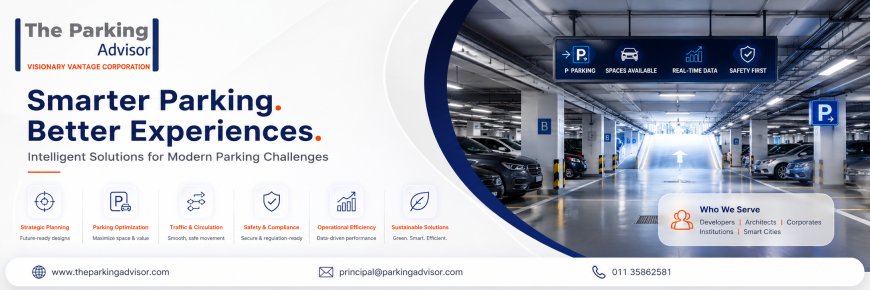
Basement parking has become an essential component of modern residential, commercial, mixed-use, and institutional developments. As urban spaces become denser and land availability decreases, developers increasingly rely on basement parking to maximize usable space above ground while meeting parking requirements.
However, designing an efficient basement parking facility involves much more than fitting as many vehicles as possible into a limited area. A successful design must balance safety, traffic flow, user convenience, regulatory compliance, and long-term operational efficiency.
This article explores the key best practices for basement parking design and how thoughtful planning can create safer, more efficient, and future-ready parking facilities.
Why Basement Parking Design Matters
A poorly designed basement parking area can lead to:
- Traffic congestion within the facility
- Difficult vehicle maneuvering
- Increased accident risks
- User frustration
- Inefficient use of valuable space
- Higher operational and maintenance costs
A well-designed basement parking system, on the other hand, improves vehicle circulation, enhances safety, supports accessibility, and contributes to a positive user experience.
Start with Comprehensive Site Analysis
Every successful basement parking project begins with a detailed understanding of the site.
Key considerations include:
- Plot dimensions and shape
- Soil and groundwater conditions
- Building footprint and structural requirements
- Local parking regulations
- Expected vehicle volumes
- User demographics and parking demand
A thorough feasibility assessment helps determine the most practical parking layout, ramp configuration, and circulation strategy before construction begins. Parking consultants often work alongside architects and structural engineers to ensure the design supports both building requirements and parking functionality.
Optimize Traffic Flow and Circulation
Efficient circulation is one of the most important elements of basement parking design.
Design Clear Vehicle Routes
Drivers should be able to enter, park, and exit without confusion. Clear circulation paths reduce delays and minimize conflicts between vehicles.
Best practices include:
- Minimizing sharp turns
- Creating logical movement patterns
- Reducing dead-end aisles
- Providing adequate turning radii
- Separating entry and exit flows where possible
Reduce Bottlenecks
Congestion often occurs near ramps, payment areas, and access points. Proper circulation planning helps maintain smooth movement throughout the parking facility. Traffic flow design and entry-exit optimization are critical aspects of modern parking planning.
Design Efficient Ramp Systems
Ramps are the backbone of basement parking operations.
Poor ramp design can create safety risks and traffic delays.
Important considerations include:
Ramp Gradient
The slope should allow vehicles to move comfortably without scraping undercarriages or causing driver discomfort.
Ramp Width
Adequate width supports safe movement and reduces the likelihood of collisions, especially during peak usage periods.
Visibility
Drivers should have clear sightlines when entering and exiting ramps. Proper lighting and signage further improve safety.
Thoughtful ramp design contributes significantly to operational efficiency and user satisfaction.
Maximize Space Utilization
Basement parking construction represents a substantial investment, making efficient space utilization a priority.
Optimize Parking Layouts
Parking layouts should maximize capacity while maintaining comfortable maneuvering space.
Designers typically focus on:
- Appropriate parking bay dimensions
- Efficient aisle widths
- Minimizing unusable corners
- Reducing wasted circulation space
Convert Dead Spaces
Strategic planning can transform otherwise unused areas into:
- Additional parking spaces
- Storage zones
- Utility rooms
- EV charging areas
Parking optimization strategies help property owners improve parking capacity without compromising user convenience.
Prioritize Pedestrian Safety
Basement parking facilities are shared environments where pedestrians and vehicles interact frequently.
Creating safe pedestrian routes is essential.
Separate Pedestrian Movement
Where feasible, provide:
- Dedicated walkways
- Clearly marked crossings
- Protected access routes to elevators and staircases
Improve Visibility
Good lighting and unobstructed sightlines help both drivers and pedestrians identify potential hazards.
Install Safety Signage
Directional signs, speed control measures, and pedestrian warnings support safer movement throughout the facility. Effective wayfinding and circulation planning improve both safety and user experience.
Implement Effective Ventilation Systems
Because basement parking facilities are enclosed environments, proper ventilation is critical.
Ventilation systems help:
- Remove vehicle emissions
- Maintain air quality
- Enhance occupant comfort
- Support regulatory compliance
Modern systems often use sensors to monitor air quality and activate ventilation equipment only when needed, improving both safety and energy efficiency.
Focus on Lighting and Visibility
Lighting plays a major role in both safety and operational efficiency.
Well-designed lighting systems should:
- Eliminate dark zones
- Improve visibility at ramps and intersections
- Enhance CCTV performance
- Increase user comfort and confidence
Energy-efficient LED lighting solutions are commonly used because they offer long service life and lower operating costs. Intelligent lighting controls can further improve sustainability.
Strengthen Security Measures
Users expect basement parking facilities to be secure at all times.
A comprehensive security strategy typically includes:
- CCTV surveillance systems
- Access control systems
- Emergency communication points
- Security monitoring
- Well-lit parking areas
Security planning should be integrated during the design stage rather than added as an afterthought. Proper security measures help protect both users and property while enhancing overall confidence in the facility.
Ensure Fire and Life Safety Compliance
Fire safety is a critical aspect of basement parking design.
Design teams should coordinate closely with fire safety consultants to ensure compliance with applicable regulations.
Important elements include:
- Fire detection systems
- Emergency exits
- Fire suppression systems
- Smoke management systems
- Emergency signage and lighting
Early integration of fire safety requirements helps avoid costly redesigns and improves occupant protection.
Plan for Accessibility
An inclusive parking facility should accommodate all users.
Accessibility considerations include:
- Designated accessible parking spaces
- Barrier-free access routes
- Elevator connectivity
- Proper signage
- Adequate maneuvering space
Accessible parking should be located near entrances and key access points to improve convenience and compliance.
Prepare for Future Mobility Trends
Parking facilities built today should be capable of adapting to future transportation needs.
Electric Vehicle Infrastructure
Demand for EV charging continues to grow. Planning electrical infrastructure during construction simplifies future expansion.
Smart Parking Technologies
Modern parking systems may include:
- Parking guidance systems
- Occupancy sensors
- Digital wayfinding
- Automated access control
- Data-driven parking management
Future-ready designs help protect long-term investment value while improving operational performance.
The Value of Professional Parking Design Expertise
Basement parking design requires coordination among architects, structural engineers, traffic planners, fire safety specialists, and parking consultants.
Professional parking advisors help ensure:
- Efficient space utilization
- Smooth traffic circulation
- Regulatory compliance
- Improved safety standards
- Long-term operational success
Specialized parking planning can significantly improve both user experience and asset performance throughout the life of the development.
Conclusion
Basement parking is far more than a storage area for vehicles. It is an essential component of a property’s functionality, safety, and user experience. Effective basement parking design requires careful attention to circulation, ramp planning, ventilation, lighting, security, accessibility, and future mobility requirements.
By adopting proven design practices and engaging experienced parking professionals early in the planning process, developers and property owners can create parking facilities that are safe, efficient, user-friendly, and capable of meeting future demands.
Looking to optimize your basement parking design for maximum efficiency, safety, and long-term value? Explore professional parking planning and design solutions from The Parking Advisor and ensure your next project delivers a superior parking experience.
What's Your Reaction?
 Like
0
Like
0
 Dislike
0
Dislike
0
 Love
0
Love
0
 Funny
0
Funny
0
 Angry
0
Angry
0
 Sad
0
Sad
0
 Wow
0
Wow
0