



















Best Ways to Organize Home Documents with a File Folder
Organize your important papers with the right File Folder. Learn practical tips to store home documents safely, improve accessibility, reduce clutter, and protect valuable records. Discover smart filing methods for financial, personal, medical, and property documents while keeping everything neatly arranged for everyday convenience.
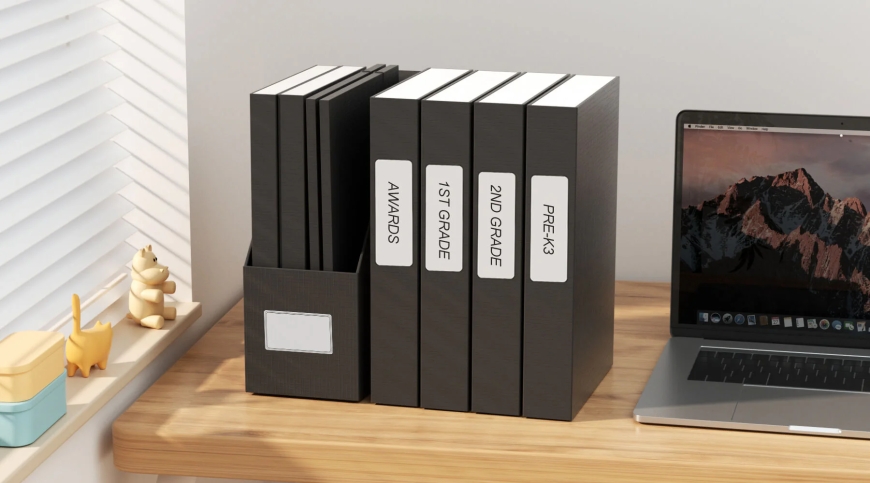
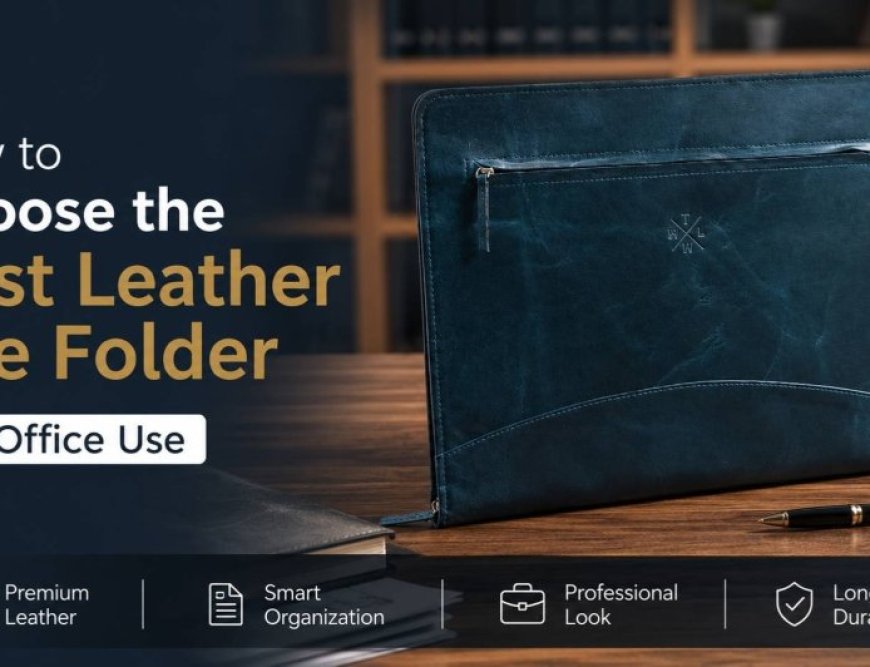
Keeping important papers scattered across drawers, shelves, or bags often leads to unnecessary stress. Whether you're looking for your passport before a trip or searching for a property document during an emergency, finding the right paper should never feel like solving a puzzle. That's where a Leather File Folder becomes one of the most useful organizational tools for every home.
A well-organized filing system saves time, protects valuable documents, and helps you stay prepared for life's unexpected moments. In this guide, you'll learn practical and easy ways to organize home documents efficiently without making the process complicated.
Why Organizing Home Documents Is Important
Every household collects paperwork over the years. Bills, certificates, insurance papers, warranties, bank statements, tax records, and educational documents all need proper storage.
An organized filing system helps you:
-
Find documents within seconds.
-
Prevent loss or damage.
-
Keep confidential information secure.
-
Reduce household clutter.
-
Prepare for emergencies with confidence.
Instead of searching through stacks of papers, everything stays exactly where it belongs.
How a File Folder Makes Organization Easier
A quality file folder keeps documents neat, flat, and protected from everyday wear. Rather than folding papers or stuffing them into random envelopes, you can separate documents into clearly labeled sections.
Using a dedicated folder also encourages consistency. Once every document has a designated place, maintaining organization becomes much easier.
Types of Home Documents You Should Organize
Before creating your filing system, gather every important document in one place.
Personal Identification Documents
Store documents such as:
-
Birth certificates
-
Passports
-
Aadhaar cards
-
PAN cards
-
Marriage certificates
-
Driving licenses
These are among the most frequently requested documents and should always be easy to access.
Financial Records
Keep financial paperwork together, including:
-
Bank statements
-
Investment records
-
Loan documents
-
Tax returns
-
Salary slips
-
Credit card information
Grouping these papers simplifies tax filing and financial planning.
Property and Insurance Papers
Property-related paperwork deserves extra attention because replacing these documents can be difficult.
Include:
-
Property deeds
-
Home insurance
-
Vehicle insurance
-
Rental agreements
-
Mortgage documents
Store originals carefully while maintaining digital backups.
Medical and Family Documents
Health records are often needed without much notice.
Organize:
-
Medical reports
-
Vaccination records
-
Health insurance policies
-
Prescription history
-
Family medical information
Keeping these together can save valuable time during medical emergencies.
Choose the Right File Folder for Every Need
Not every folder serves the same purpose. Choosing the right one improves both durability and organization.
Select the Right Size
For standard household paperwork, an a4 size file folder works perfectly because most official documents follow this format. It keeps papers flat and prevents folded corners.
Choose Durable Materials
If you regularly carry documents outside your home, investing in a leather document file folder offers additional protection while maintaining a professional appearance. Strong stitching and quality materials help it last for years.
Create Categories Before Filing
A simple filing system starts with proper categorization.
Common categories include:
-
Identity Documents
-
Banking
-
Taxes
-
Insurance
-
Property
-
Education
-
Medical
-
Utilities
-
Warranties
-
Personal Records
Avoid placing unrelated documents together, even if there's extra space.
Label Every Section Clearly
Labels eliminate confusion.
Use simple names like:
-
Home
-
Finance
-
Medical
-
Education
-
Insurance
Clear labels make it easy for every family member to locate documents without assistance.
Arrange Documents by Priority
Some documents are used every month, while others remain untouched for years.
Frequently Used Documents
Keep these at the front:
-
Utility bills
-
Bank papers
-
Identity cards
-
Vehicle documents
-
Insurance policies
Quick access saves time during routine tasks.
Long-Term Storage Documents
Move less frequently used papers toward the back.
Examples include:
-
Old tax returns
-
Closed bank accounts
-
Warranty papers
-
Previous insurance policies
This keeps your everyday documents uncluttered.
Use Color Coding for Faster Access
Color coding makes organization almost effortless.
For example:
-
Blue for financial records.
-
Green for property documents.
-
Red for medical papers.
-
Yellow for education records.
A quick glance helps you identify the correct category immediately.
Protect Important Documents from Damage
Organization isn't only about neatness. It's also about preservation.
Keep Documents Away from Moisture
Store folders in a cool, dry place away from humidity.
Avoid:
-
Basements
-
Damp cupboards
-
Areas near windows
Moisture can permanently damage valuable paperwork.
Store Them in a Safe Location
Important originals should remain inside a secure cabinet or locker.
For professionals who handle contracts or confidential papers regularly, an executive file folder offers additional organization while protecting documents during travel.
Declutter Your File Folder Regularly
A filing system isn't something you organize once and forget forever.
Every six months:
-
Remove expired bills.
-
Shred unnecessary papers.
-
Update insurance documents.
-
Replace outdated records.
-
Reorganize categories if needed.
Regular maintenance keeps your system efficient.
Keep Digital Copies as Backup
Paper documents remain important, but digital copies add another layer of security.
Scan essential records and store them:
-
On a secure cloud service.
-
On an external hard drive.
-
On an encrypted USB drive.
If originals are damaged or misplaced, you'll still have accessible copies.
Common Mistakes to Avoid
Many people unknowingly create more clutter while trying to organize.
Avoid these common mistakes:
-
Mixing personal and financial records.
-
Overfilling one folder.
-
Ignoring labels.
-
Keeping unnecessary paperwork forever.
-
Storing documents in humid places.
-
Forgetting to update files.
Small habits make a significant difference over time.
Simple Tips to Maintain an Organized Filing System
Building the system is only the beginning. Maintaining it is what keeps everything running smoothly.
Helpful habits include:
-
File new documents immediately.
-
Review folders every few months.
-
Use protective sleeves for delicate papers.
-
Replace damaged folders when needed.
-
Keep confidential records in locked storage.
Many families also prefer a durable leather file folder because it provides excellent protection while giving important documents a polished appearance. If multiple family members require separate storage, custom file folders make identification easier, while personalised labeling helps avoid confusion. Those who occasionally carry household paperwork to work may even find an office file folder suitable for both personal and professional organization. A premium document file folder leather option combines durability with a timeless design for long-term use.
Conclusion
Organizing your home documents doesn't require expensive equipment or complicated systems. A reliable File Folder combined with clear categories, proper labeling, regular maintenance, and secure storage can transform document management into a simple routine. Once every paper has a dedicated place, you'll spend less time searching and more time focusing on what truly matters. Start with one folder today, build your categories gradually, and enjoy the peace of mind that comes with a well-organized home.
FAQs
1. What documents should be stored in a file folder at home?
Store identification documents, financial records, insurance papers, property documents, educational certificates, medical records, warranties, and important household paperwork.
2. How often should I organize my home documents?
Review your filing system every six months to remove outdated papers, update records, and keep everything easy to locate.
3. Is it safe to keep original documents in one folder?
Yes, provided the folder is durable and stored in a secure, dry, and locked location. Always keep digital backups of irreplaceable documents.
4. Why should I label every document category?
Labels help you locate papers quickly, reduce confusion, and make the filing system easier for everyone in the household to use.
5. Can I use the same file folder for home and office documents?
It's better to separate personal and professional paperwork. Using different folders prevents confusion and keeps confidential documents properly organized.
What's Your Reaction?
 Like
0
Like
0
 Dislike
0
Dislike
0
 Love
0
Love
0
 Funny
0
Funny
0
 Angry
0
Angry
0
 Sad
0
Sad
0
 Wow
0
Wow
0