





















Electric Water Heater Service Troubleshooting: When Hot Water Runs Out Too Fast
Learn how electric water heater service helps find why hot water runs out quickly and restores steady comfort in your home.
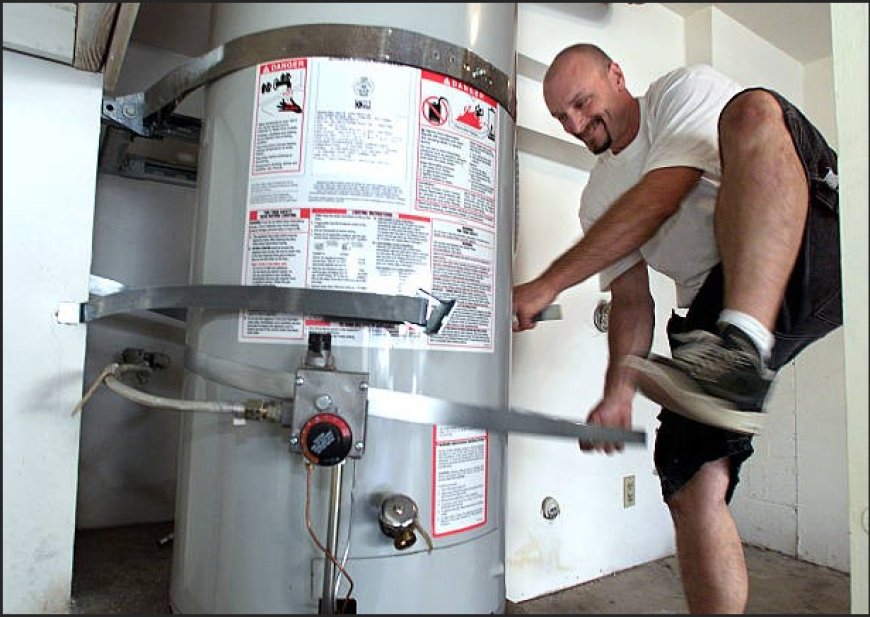
Are you frustrated when hot water turns cold before your shower is done? A fast-draining water heater can disrupt your morning routine, slow down chores, and make simple tasks like bathing, washing dishes, or doing laundry feel inconvenient.
What makes this issue confusing is that the water heater may not stop working completely. It may still produce warm water, but the supply may run out much faster than it used to. This can make homeowners wonder whether the problem is with the tank, the settings, the plumbing, or how much hot water the household is using.
That is where electric water heater service can help. A proper inspection gives you a clearer answer instead of relying on guesswork. It helps determine why your hot water supply is not lasting and what can be done to restore better performance.
Key Takeaways
-
Hot water running out too fast often points to a heating element, thermostat, sediment, dip tube, tank size, or household demand issue.
-
A water heater can still produce some warm water even when one internal part is failing.
-
Sediment buildup can reduce usable tank space and make the unit work harder.
-
If the problem happens throughout the home, the water heater is more likely involved.
-
Professional service helps diagnose the real issue safely instead of relying on guesswork.
Common Reasons Hot Water Runs Out Too Fast
One Heating Element Has Failed
Most electric water heaters have two heating elements, one near the top of the tank and one near the bottom. Together, they heat the water stored inside the tank. If the lower element fails, only the upper portion of the water may heat, resulting in a short supply of hot water before it quickly turns lukewarm. If the upper element fails, you may have very little or no hot water at all.
Common signs include shorter hot water duration, slower recovery between uses, and water that never gets fully hot. A professional electric water heater service inspection can safely test both heating elements and determine whether hot water repair is needed.
Thermostat Settings Are Incorrect
Thermostats control when the heating elements turn on and off. If the temperature setting is too low or one thermostat stops working correctly, the water heater may heat unevenly or fail to reach the desired temperature.
You may notice that one shower starts hot but quickly cools down, or that the heater takes much longer to recover after use. Because electric water heaters use high-voltage components, homeowners should avoid opening access panels or attempting electrical repairs. During electric water heater service, a technician can test the thermostats, verify the temperature settings, and determine whether adjustment or replacement is needed.
Sediment Has Built Up Inside the Tank
Minerals in hard water naturally settle at the bottom of the tank over time, forming a layer of sediment. As this buildup increases, it reduces the amount of usable hot water and makes the heating elements work harder to warm the tank.
Sediment may also surround the lower heating element, reducing its efficiency and increasing heating time. You might notice popping or rumbling noises, slower recovery between showers, or hot water running out sooner than before. Regular electric water heater service can identify sediment buildup early and determine whether flushing the tank or making repairs will restore normal performance.
The Dip Tube May Be Damaged
The dip tube directs incoming cold water to the bottom of the tank so it can be heated before mixing with the hot water supply. If the tube cracks or breaks, cold water may mix with the hot water near the top of the tank, causing the temperature to drop much sooner than expected.
Because the symptoms often resemble a faulty heating element or thermostat, this issue can be difficult to identify without an inspection. A professional electric water heater service appointment can pinpoint whether the dip tube or another internal component is responsible for the loss of hot water.
Household Demand Has Increased
Sometimes the water heater is working properly, but your household is using more hot water than it was designed to provide. More family members, longer showers, new appliances, or running multiple fixtures at the same time can quickly empty the tank.
It is also important to separate hot water problems from other plumbing issues. For example, a slow drain or recurring toilet backup may require toilet drain cleaning, but it does not affect the water heater's performance. A professional inspection can determine whether the issue is increased demand or a mechanical problem inside the water heater.
The Water Heater Is the Wrong Size
A water heater that is too small for your household can run out of hot water even when it is working correctly. As families grow, bathrooms are added, or new appliances are installed, the original tank may no longer meet the home's hot water needs.
During residential plumbing installation, plumbers select a water heater based on household size, fixture count, and expected water usage. If your current tank is undersized, repeated hot water repair may not solve the problem. A professional electric water heater service inspection can help determine whether upgrading to a larger unit is the most practical solution.
The Unit Is Aging
As electric water heaters get older, heating elements, thermostats, and other internal components naturally wear out. Sediment buildup also becomes more difficult to manage, reducing efficiency and shortening the amount of available hot water.
If you notice leaks around the tank or connected pipes, do not ignore them. In some situations, the issue may require emergency pipe repair in addition to servicing the water heater. While older units do not always need immediate replacement, frequent repairs or signs of corrosion may indicate that installing a new water heater is the more reliable and cost-effective long-term solution.
How Electric Water Heater Service Helps Diagnose the Problem
When hot water disappears too quickly, replacing parts without proper testing can waste both time and money. Professional electric water heater service focuses on identifying the actual cause before recommending repairs.
During an inspection, a technician may:
-
Test the upper and lower heating elements.
-
Check thermostat operation and temperature settings.
-
Inspect the dip tube and other internal components.
-
Look for sediment buildup inside the tank.
-
Examine electrical connections and power supply.
-
Evaluate whether the water heater is properly sized for your household.
By checking the complete system, a plumber can determine whether the issue requires maintenance, a component replacement, or a new water heater. This approach helps avoid unnecessary repairs while restoring reliable hot water more efficiently.
When to Call a Professional
While homeowners can monitor changes in hot water performance, diagnosing an electric water heater often requires specialized equipment and experience. Delaying service can allow a small issue to become a larger and more expensive repair.
Schedule professional electric water heater service if you notice:
-
Hot water consistently runs out after only a few minutes.
-
Water never reaches its normal temperature.
-
The circuit breaker trips repeatedly.
-
Rust-colored water comes from multiple fixtures.
-
The tank leaks or shows signs of corrosion.
-
Strange noises become more frequent during heating.
If a leaking pipe or damaged water line accompanies the problem, you may also need emergency pipe repair to prevent further water damage while the water heater issue is being addressed.
Conclusion
Hot water should support your daily routine, not leave you rushing through showers or rearranging household tasks. When the supply runs out too quickly, the cause is not always obvious, and guessing can lead to unnecessary repairs. A professional inspection can identify the real issue and recommend the most effective solution.
With electric water heater service, homeowners gain clearer answers, safer repairs, and greater confidence in their plumbing system. Whether the solution involves maintenance, hot water repair, or replacing an aging unit, addressing the problem early can restore dependable hot water and help prevent more costly plumbing issues.
Schedule an appointment with Reliable Pipe Repair today.
FAQs
Why does my electric water heater run out of hot water so quickly?
It may be caused by a failed heating element, an incorrect thermostat setting, sediment buildup, a damaged dip tube, an undersized tank, or increased household demand.
Can one bad heating element still give me some hot water?
Yes. If one element still works, the heater may produce only limited hot water and may run out much faster than normal.
Is sediment buildup a serious water heater problem?
It can become serious over time. Sediment can reduce heating efficiency, lower hot water capacity, create noise, and strain the system.
Should I reset my electric water heater if hot water runs out?
You can check the breaker once, but repeated trips should not be ignored. A professional should inspect the unit if the issue continues.
When should I call a plumber?
Call a plumber if the hot water lasts only a few minutes, recovery is slow, the water looks rusty, the tank leaks, or the breaker keeps tripping.
What's Your Reaction?
 Like
0
Like
0
 Dislike
0
Dislike
0
 Love
0
Love
0
 Funny
0
Funny
0
 Angry
0
Angry
0
 Sad
0
Sad
0
 Wow
0
Wow
0