













Is Laser Skin Resurfacing a One-Time Treatment?

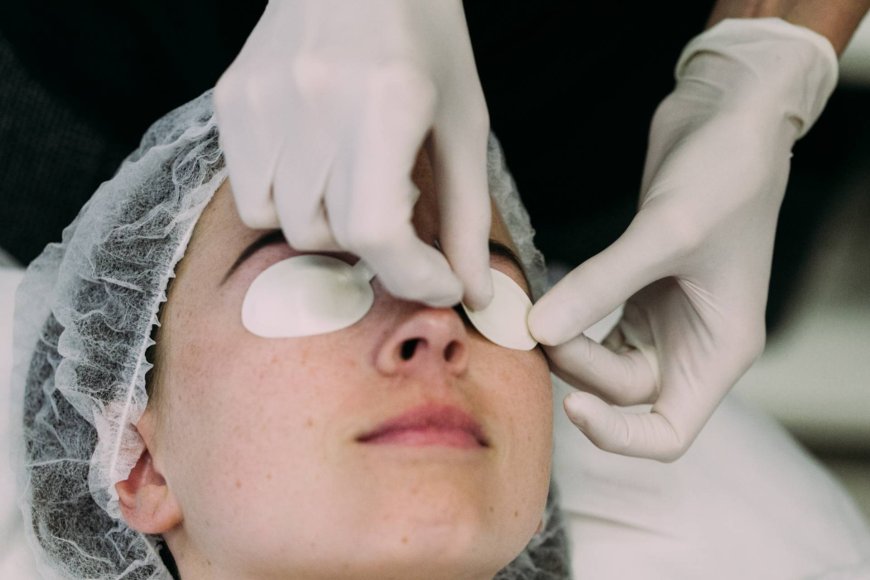
Age is an important factor when considering cosmetic skin treatments, but it does not automatically determine whether someone is a suitable candidate. Laser Skin Resurfacing Dubai is a treatment option for people who want to improve wrinkles, uneven skin tone, acne scars, and other visible signs of ageing. Understanding how skin changes at different life stages can help individuals make informed decisions about treatment suitability, expected results, and recovery.
Why Does Age Matter for Laser Skin Resurfacing?
The skin changes naturally as people grow older. Collagen production gradually decreases, cell turnover slows down, and the skin may become thinner or lose some of its elasticity. These changes can influence how the skin responds to laser energy.
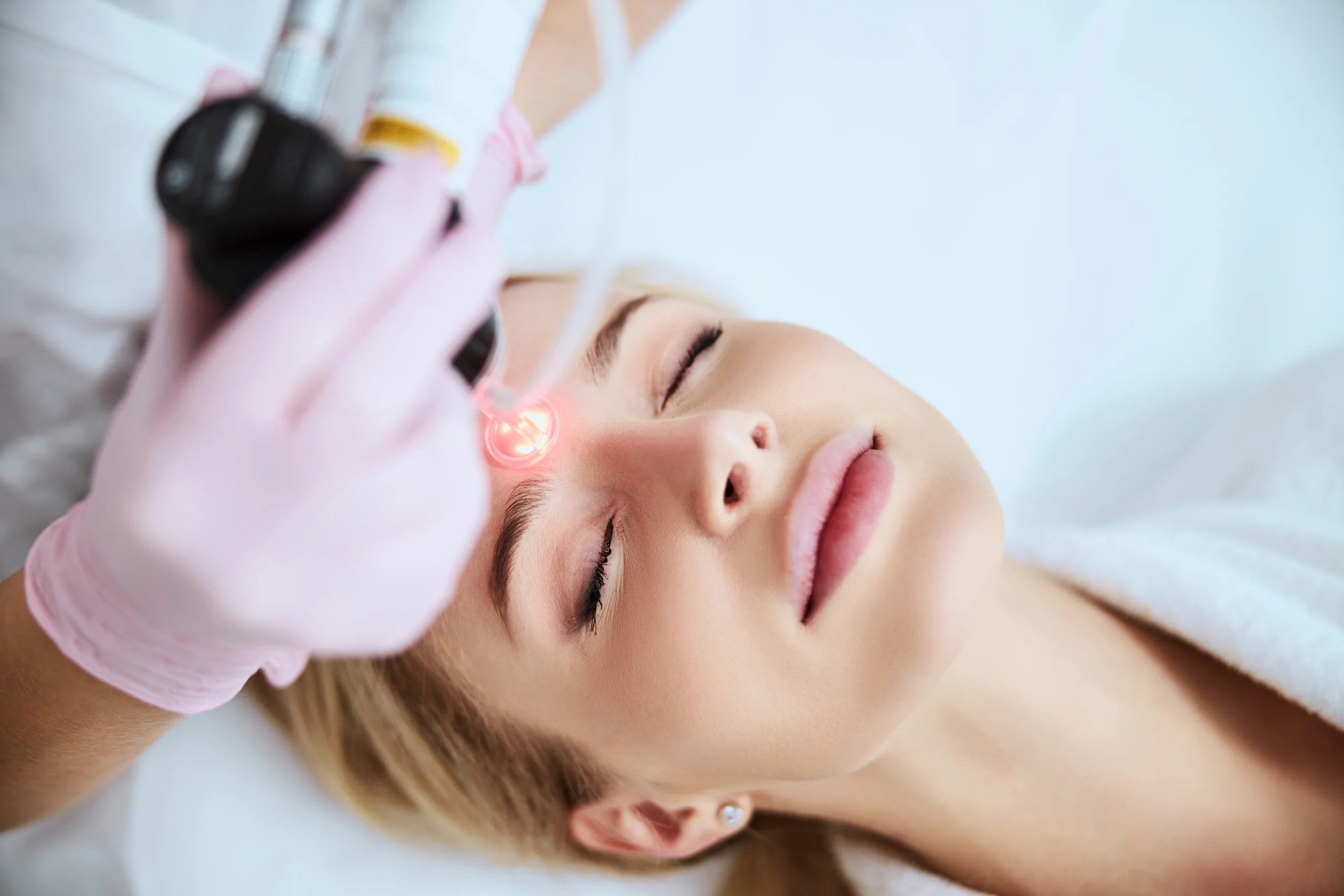
Laser skin resurfacing works by directing controlled energy towards the skin to remove damaged surface layers or stimulate collagen production in deeper tissues, depending on the technology used.
Age can influence several aspects of treatment, including:
-
Skin thickness: Thinner skin may require a more conservative treatment approach.
-
Collagen production: Younger skin generally has greater natural collagen activity.
-
Healing ability: Recovery may take longer as the skin ages.
-
Sun damage: Cumulative UV exposure can contribute to pigmentation, wrinkles, and uneven texture.
-
Skin sensitivity: Mature skin may be more prone to dryness and irritation.
These factors are often more important than chronological age alone.
Is Laser Skin Resurfacing Suitable for Younger Adults?
Younger adults may consider laser skin resurfacing when they experience specific skin concerns that do not improve with regular skincare.
Common reasons include:
-
Acne scars and post-acne marks
-
Uneven skin texture
-
Sun-related pigmentation
-
Enlarged pores
-
Early fine lines
At this stage, the skin may have stronger collagen production and a relatively efficient healing response. However, treatment is not always necessary for younger individuals.
For example, someone in their twenties with mild acne scarring may benefit from a targeted resurfacing approach, while another person of the same age may achieve sufficient improvement through topical skincare.
The decision should depend on the severity of the concern, skin condition, and treatment goals rather than age alone.
How Does Laser Resurfacing Help People in Their 30s and 40s?
During the thirties and forties, early signs of ageing often become more noticeable. Reduced collagen production, repeated sun exposure, and slower skin renewal can contribute to fine lines and changes in skin texture.
Laser resurfacing may help address several concerns during this stage:
Fine lines: Certain resurfacing treatments stimulate collagen remodelling, which may soften the appearance of early wrinkles.
Sun damage: Laser energy can target selected areas of pigmentation and uneven skin tone.
Acne scars: Resurfacing can improve the appearance of certain types of acne scarring by encouraging skin renewal.
Rough texture: Removing damaged outer skin layers can create a smoother-looking surface.
The appropriate laser type depends on the individual's skin condition. Non-ablative treatments generally involve less downtime, while ablative procedures may provide more substantial resurfacing but require a longer recovery period.
Can Older Adults Benefit From Laser Skin Resurfacing?
Older adults can also be candidates for laser skin resurfacing. Age alone is not a reason to exclude someone from treatment.
People in their fifties, sixties, and beyond may experience deeper wrinkles, age-related pigmentation, and reduced skin elasticity. Depending on their skin condition, resurfacing may help improve these concerns.
However, mature skin requires careful assessment because it may have:
-
Reduced thickness and elasticity
-
Slower wound healing
-
Greater dryness and sensitivity
-
More visible sun damage
-
A higher likelihood of certain pigmentation concerns
A conservative treatment plan may be appropriate for individuals with fragile skin or other factors that affect recovery.
It is also important to understand that laser resurfacing improves selected surface and texture concerns. It does not replace a surgical facelift or completely reverse advanced skin ageing.
What Factors Matter More Than Your Age?
Chronological age provides only part of the picture. Two people of the same age can have very different skin conditions and treatment requirements.
Several factors help determine suitability:
-
Skin type: Different skin tones have different risks of post-inflammatory hyperpigmentation, particularly with certain laser settings.
-
Medical history: Conditions that affect healing or increase the risk of scarring should be considered.
-
Active skin problems: Infections, active acne outbreaks, or certain inflammatory conditions may require treatment before resurfacing.
-
Medication use: Some medicines can affect skin sensitivity or healing.
-
Sun exposure: Recent tanning and frequent UV exposure can increase treatment-related risks.
-
Previous procedures: Earlier cosmetic treatments may influence the timing and selection of laser resurfacing.
These considerations help establish whether treatment is appropriate and which approach may offer the safest outcome.
How Can You Prepare Your Skin for Laser Resurfacing?
Proper preparation can support recovery and help reduce avoidable complications. Preparation instructions depend on the type of laser and the individual's skin condition.
Useful precautions may include:
-
Avoiding excessive sun exposure before treatment.
-
Applying broad-spectrum SPF 30 or higher sunscreen daily.
-
Following recommended skincare instructions.
-
Discussing all medications and skincare products during consultation.
-
Avoiding tanning products and procedures that may irritate the skin.
-
Informing the treating professional about any history of cold sores or abnormal scarring.
After treatment, following wound-care instructions and protecting the skin from sunlight are especially important.
Conclusion
Age can influence skin thickness, collagen production, sensitivity, and recovery after laser skin resurfacing, but it is not the only factor that determines suitability. Younger adults may seek treatment for acne scars and early skin damage, while mature individuals may focus on wrinkles, pigmentation, and uneven texture. A personalised skin assessment, realistic expectations, and appropriate laser selection are essential for achieving safe and satisfactory results at different stages of life.
What's Your Reaction?
 Like
0
 Dislike
0
 Love
0
 Funny
0
 Angry
0
 Sad
0
 Wow
0





