














A Tiny House Kit Won't Save You From the Rulebook
The tiny house experts explain what a tiny house kit really gets you, and why tiny house regulations still decide if you can live in it.

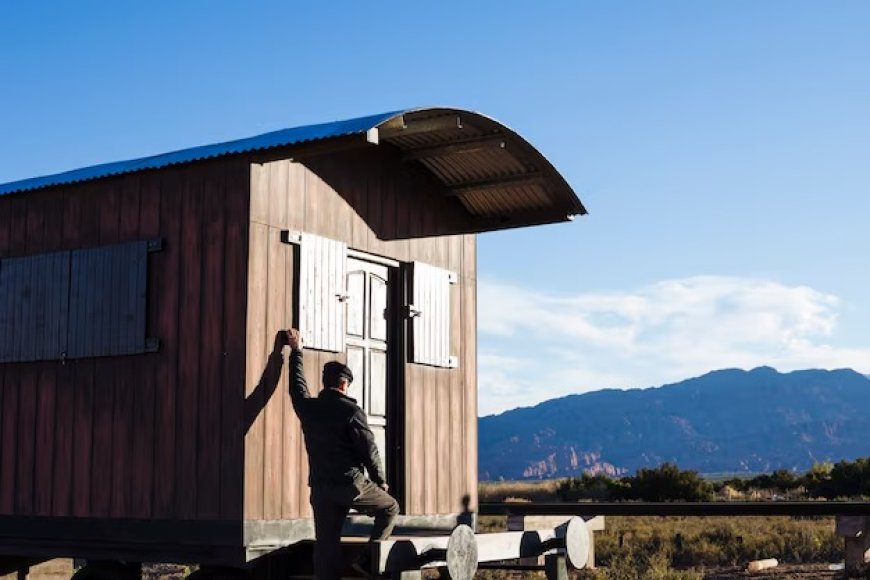
You scroll through tiny home kit listings and it all looks so simple. Pallets show up, pre-cut lumber, a manual, a weekend of work and there's your house. That's the sales pitch anyway. The tiny house experts who've actually walked people through this stuff will tell you a different story though. Most of the time a kit gets you the shell. Sometimes not even that much of the shell. Everything after — permits, hookups, whatever inspector shows up at your door — that part's still all you.
What's In the Box, and What's Definitely Not
Framing package, roof trusses, subfloor, that's your baseline. Some of the nicer kits throw in pre-hung windows and doors too, which honestly is a small mercy, saves you a whole afternoon of cursing. But plumbing? Electrical? Insulation, interior walls, all the stuff that makes it livable instead of just a wooden box? Almost never in there. You're buying a skeleton. You gotta put the meat on it yourself, or pay somebody who will.
Trailer or Foundation — Pick One, It Matters More Than You'd Think
People skip past this detail constantly and it bites them later. Some kits are built for a trailer. Others sit on a permanent foundation. Which one you go with basically decides which pile of tiny house regulations you're stuck reading through. Trailer builds sometimes get treated like RVs depending where you live, foundation builds fall under regular residential code, full stop. Get this backwards and you can end up with a perfectly good structure that isn't legally a home anywhere near you.
Zoning Doesn't Care How Nice Your Kit Photos Look
Doesn't matter how well built the thing is. If your county's zoning says no, it's a no. A lot of places still have minimum square footage rules on the books, 600, 700, sometimes a thousand square feet just to count as a legal residence. Your 280 square foot kit house isn't gonna clear that bar no matter how charming the loft is. Check the zoning first. Before you order, not after it's sitting in pieces in your driveway looking sad.
Even a Prefab Shell Has to Meet Code
Some folks assume "kit" means it skips the usual code stuff. It does not. Put it on a permanent foundation and you're under IRC standards same as anybody — egress windows, minimum ceiling heights, stair specs for the loft ladder, all of it. The manufacturer'll tell you it's "code compliant," sure, but compliant where exactly? Codes shift county to county. What flies in Oregon might get bounced in yours.
You Still Need Permits, Kit or Not
This one trips up a lot of first timers. Ordering a kit doesn't get you out of the permit office. Building permit, usually electrical and plumbing too, maybe another one depending on your foundation. Some jurisdictions want an engineer's stamp on the structural plans before they'll even look at your application, and the kit maker might not hand that over automatically. Ask them straight up before you buy. Don't assume.
Financing Gets Weird, Fast
Banks aren't exactly excited about tiny homes. Kit built, custom built, doesn't matter, lenders get squeamish around anything small or anything not permanently fixed to the ground. So people end up doing personal loans instead, or sometimes an RV loan if the thing legally qualifies as one. Insurance follows a similar pattern honestly — whether your finished build counts as real property or personal property changes your options quite a bit.
Your HOA Might Kill It Even If the County's Fine With It
This gets missed all the time, people get so focused on county zoning and building codes they forget the HOA runs its own separate rulebook. Plenty of HOAs just ban anything under a certain size, kit or stick-built, doesn't matter to them one bit. Read those covenants before you spend a dollar on lumber. Boring paperwork, I know, but it matters more than people think.
Honestly, Assembling the Kit Is the Easy Part
I'll just say it plain. Putting the kit together is usually the least complicated piece of this whole thing. The legal side — land use, permits, code compliance — that's where projects stall out, or just die completely. A beautifully assembled kit sitting on land where it can't legally be a dwelling is an expensive shed at that point. Seen it happen more than once, and it's never a fun conversation with the homeowner.
Do the Legal Homework Before Anything Ships
Buying a tiny house kit can be a genuinely smart way into homeownership. But only if the groundwork gets done first. The tiny house experts worth listening to aren't just the contractors slapping the frame together, they're the ones who actually know tiny house regulations in your specific county and can tell you what's allowed before you drop money on a tiny house kit that ends up sitting unused. Skip that step and good projects turn into expensive lessons real quick.
If you want to do this the right way, get legal guidance before anything ships. Visit The Greer Law Group to start, and build with some actual confidence instead of just hoping it works out.
FAQs
What does a tiny house kit usually include?
Mostly the framing, roof trusses, subfloor. Some pricier kits add pre-hung windows and doors. Plumbing, electrical, and interior finishing are almost always extra, on your own dime.
Are tiny house kits legal everywhere?
Nope, not automatically. Local zoning and tiny house regulations decide whether the finished building can actually be lived in, no matter how it was constructed or where you bought it.
Do I still need permits with a kit build?
Yes, pretty much everywhere. Building, electrical, plumbing permits, sometimes more depending on the foundation. A kit doesn't exempt you from any of that.
Is a kit home treated like an RV or a house, legally?
Depends on foundation type and build standard. Trailer kits often lean RV-style rules, foundation kits usually land under standard residential code.
Should I talk to an attorney before buying a tiny house kit?
Probably a good idea, yeah. The tiny house experts who focus on zoning and land use can flag problems before you buy land or order anything, which saves a lot of grief down the road.
What's Your Reaction?
 Like
0
Like
0
 Dislike
0
Dislike
0
 Love
0
Love
0
 Funny
0
Funny
0
 Angry
0
Angry
0
 Sad
0
Sad
0
 Wow
0
Wow
0