












Skin Tightening Procedures FAQ: Expert Answers to the Most Common Questions

Same questions come up every single week. Does it hurt, how long does it last, why's mine still not tightened after one session. Fair questions honestly, skin tightening procedures get marketed like magic sometimes and that's not really doing anyone favors. There's a lot of confusion out there, some of it from bad marketing, some just from people not asking their provider the right stuff beforehand. So let's go through it. The real answers, not the brochure version.
What Actually Counts as a Skin Tightening Procedure?
This covers more ground than people think. RF devices, ultrasound-based tech, newer options like tixel treatment which uses heated titanium tips instead of a laser or radiofrequency energy, they're all under this umbrella even though the mechanisms are pretty different from each other. All of them are chasing the same goal though, more collagen, firmer skin, less sag. Which one's right for you depends on your skin, your budget, honestly sometimes just what your provider has in the office and is experienced running.
Does Skin Tightening Actually Hurt?
Depends which one. RF feels warm, kind of like a hot stone massage, most people are totally fine without numbing. Ultrasound's a bit sharper, little zaps here and there as the device moves. Tixel treatment is interesting because it uses brief contact with heated tips rather than a continuous beam, and a lot of patients say it's more tolerable than they expected, though numbing cream is still commonly used beforehand. None of these are what I'd call painful exactly. Uncomfortable sometimes, sure. Nothing close to surgery discomfort though.
How Long Until I See Results?
Nobody sees dramatic change day one. That's just not how any of these work. Collagen remodeling takes weeks, sometimes months, regardless of which specific skin tightening procedure you choose. RF and ultrasound both typically show initial improvement around four to six weeks out, full results closer to two or three months. Tixel treatment follows a similar pattern actually, though some patients report noticing texture improvement a little sooner since it also has a mild resurfacing effect alongside the tightening piece.
How Many Sessions Will I Actually Need?
Almost never just one, despite what some ads imply. RF usually runs three to six sessions, spaced a few weeks apart. Ultrasound's sometimes sold as one-and-done, though annual touch-ups are common to maintain things as you keep aging (which, yeah, doesn't stop for anyone). Tixel treatment plans vary a lot depending on what you're targeting, some patients do a series of three to four for meaningful improvement, others use it more for periodic maintenance once initial results are achieved.
Is There Any Downtime After Treatment?
Minimal for most of these, honestly one of the big selling points compared to surgical options. RF, basically none, maybe some redness that fades in hours. Ultrasound, similar, mild swelling sometimes. Tixel treatment can leave the skin looking a little textured or pink for a day or two since it does create tiny micro-channels in the outer skin layer, a bit like how a fractional laser works, though recovery is still much shorter than actual laser resurfacing typically requires.
Who's Actually a Good Candidate?
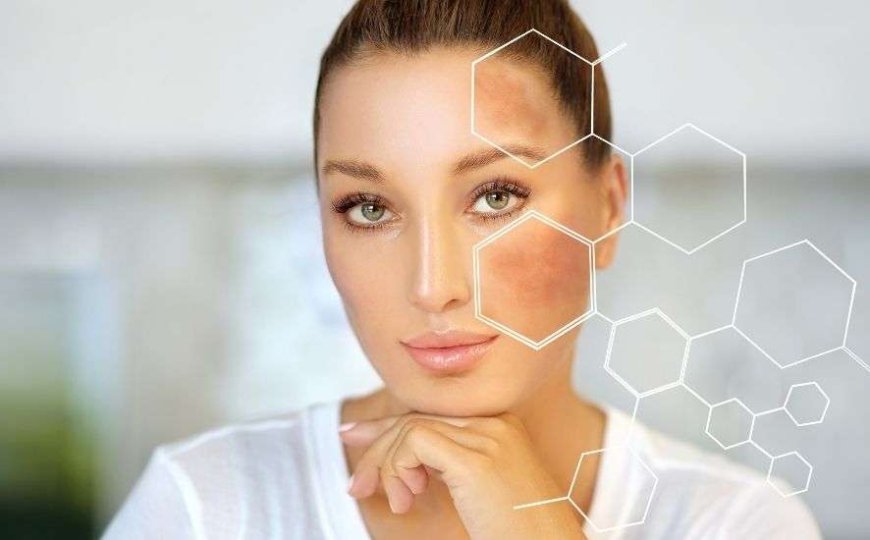
Generally, people with mild to moderate skin laxity, early signs of sagging, want firmer texture without going the surgical route. Not a great fit for severe sagging, that's more a surgical conversation honestly, no amount of RF or tixel treatment sessions is replacing an actual facelift for significant cases. Age isn't a strict cutoff, though most patients fall somewhere in their thirties through sixties. Skin condition and realistic expectations matter more than a specific age number when it comes to candidacy.
What Areas Can Actually Be Treated?
Face and neck are the most common, jawline especially since that's where a lot of people notice sagging first. Body areas work too, arms, abdomen, thighs, though results there tend to be more modest compared to facial treatment. Tixel treatment is used on both face and body depending on the device settings and what's being targeted, texture, tightening, or a bit of both simultaneously. Ask your provider specifically which areas they've had good results treating, since experience varies clinic to clinic.
Are There Risks I Should Know About?
Generally low risk compared to surgical alternatives, but not zero. Burns are possible if the device is used incorrectly, which is really why provider experience matters more than the specific technology chosen. Temporary redness, swelling, mild discomfort, all normal and expected. Rare complications include blistering or pigment changes, usually tied to improper technique or unsuitable candidacy for that specific patient's skin type. Always disclose your full skin and medical history, and choose a provider who's actually experienced with whatever specific device they're using on you.
How Does Cost Compare Across Different Options?
Pricing varies a lot by area, provider, and technology, no single number applies across the board here. RF tends to run on the lower end per session but needs more sessions total. Ultrasound often costs more per visit but fewer visits needed overall. Tixel treatment pricing sits somewhere in that same general range, varying by clinic and how many sessions your specific plan calls for. Get a full treatment plan cost, not just a single session quote, before comparing across different skin tightening procedures.
Can I Combine Skin Tightening With Other Treatments?
Definitely, a lot of patients build a broader plan rather than doing one isolated treatment. Combining tixel treatment with something like microneedling is common since both work on similar collagen-stimulation principles, sometimes done in the same session or spaced a few weeks apart depending on provider recommendation. Others pair facial skin tightening with body contouring treatments entirely separate from the skin conversation. A good consultation should map out how different treatments in your plan actually work together instead of just stacking things randomly.
Conclusion
Skin tightening procedures cover a lot of ground, RF, ultrasound, tixel treatment, and each one's chasing the same collagen-driven goal through a slightly different mechanism. None of them work overnight, and none of them replace surgery for more significant sagging, but for mild to moderate concerns they genuinely deliver, given patience and a provider who actually knows what they're doing. Ask real questions during consultation, get a full treatment plan cost upfront, and don't expect magic after one visit. That's really the whole thing, honestly, once you cut through the marketing noise.
What's Your Reaction?
 Like
0
Like
0
 Dislike
0
Dislike
0
 Love
0
Love
0
 Funny
0
Funny
0
 Angry
0
Angry
0
 Sad
0
Sad
0
 Wow
0
Wow
0