


















Automotive Electronic Components: Ensuring Quality Through Advanced Testing and Intelligent Manufacturing
Overview: Automotive electronic components are essential to modern vehicles, supporting safety, connectivity, and efficiency. Advanced testing and intelligent manufacturing ensure every component delivers reliable performance throughout its service life.

Automotive electronic components have become increasingly sophisticated as vehicles integrate more intelligent technologies. Electronic control units (ECUs), sensors, power modules, battery management systems, and communication devices work together to enhance vehicle performance and driving safety. With the rapid growth of electric vehicles, hybrid systems, and advanced driver assistance systems (ADAS), manufacturers must maintain exceptional product quality and reliability. Precision manufacturing and comprehensive testing are therefore critical to ensuring every component performs consistently in demanding automotive environments.
The production of automotive electronic components requires rigorous testing throughout the manufacturing process. Functional testing verifies electrical performance, while burn-in testing evaluates long-term stability under continuous operation. Environmental reliability tests simulate vibration, temperature variation, humidity, and other harsh conditions that automotive electronics may encounter during their service life. Automated inspection equipment further improves quality control by detecting defects quickly, reducing production errors, and ensuring compliance with strict automotive industry standards.
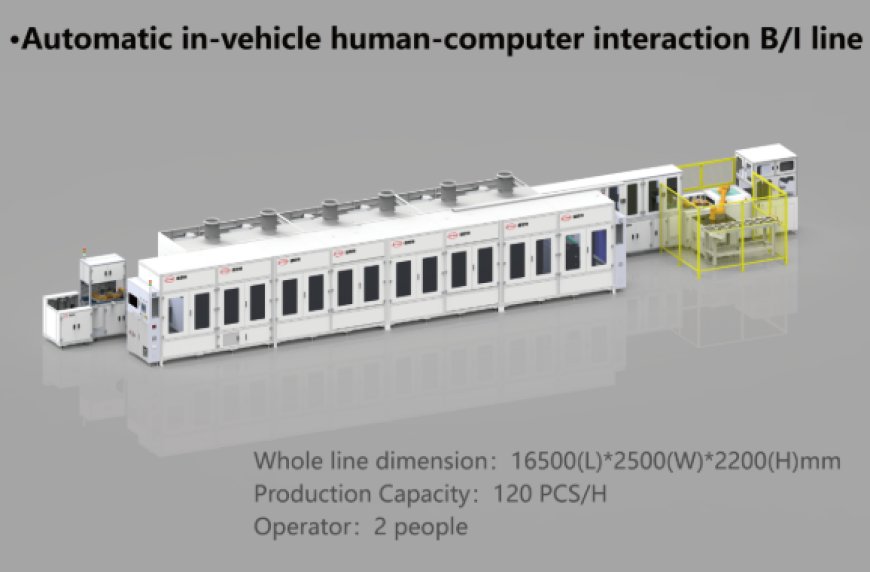
As manufacturing technologies continue to evolve, intelligent automation is transforming the way automotive electronic components are produced. Customized automated production lines integrate precision assembly, vision inspection, electrical testing, and data collection into a unified workflow. These smart manufacturing solutions increase production efficiency while maintaining consistent product quality. By combining automation with real-time monitoring, manufacturers can optimize production processes, reduce downtime, and improve overall operational performance.
Advanced testing equipment also plays an essential role in validating automotive electronic components before they enter the market. Comprehensive testing systems evaluate communication interfaces, electrical characteristics, power performance, and functional reliability across different operating conditions. Automated testing generates accurate and repeatable results while providing detailed production data for quality traceability. This systematic approach helps manufacturers identify potential issues early, minimize warranty risks, and deliver dependable products to automotive customers.
As the automotive industry moves toward electrification, connectivity, and intelligent mobility, automotive electronic components will continue to drive technological innovation. Manufacturers that invest in advanced testing equipment, intelligent automation, and comprehensive quality management will be better positioned to meet evolving industry requirements. By ensuring every electronic component achieves the highest standards of performance and reliability, companies can support the development of safer, smarter, and more efficient vehicles for the future.
What's Your Reaction?
 Like
0
Like
0
 Dislike
0
Dislike
0
 Love
0
Love
0
 Funny
0
Funny
0
 Angry
0
Angry
0
 Sad
0
Sad
0
 Wow
0
Wow
0