






















Best Practices for Effective Wound Care Treatment | Axiobio.com
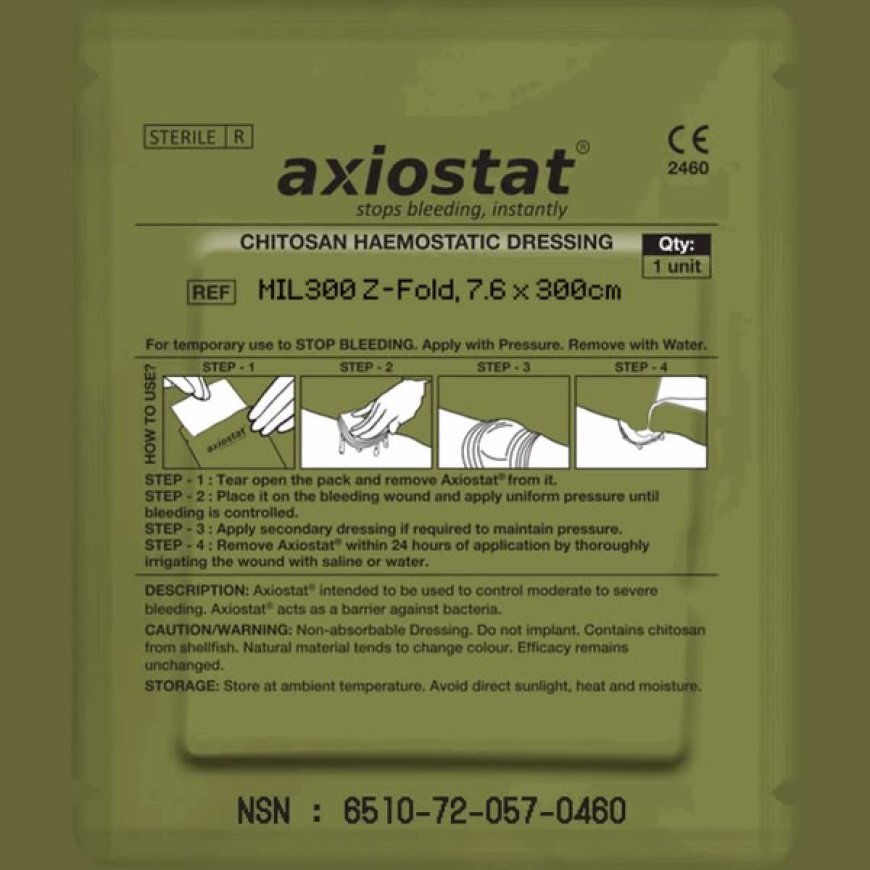
Wound care is an essential part of healthcare that directly impacts patient recovery, infection prevention, and overall quality of life. Whether treating a minor injury, a surgical incision, a burn, or a chronic wound, proper wound management can significantly improve healing outcomes and reduce the risk of complications. With advancements in medical technology and evidence-based treatment approaches, healthcare professionals now have access to innovative solutions that support faster and more effective healing.
Effective wound care involves more than simply cleaning and covering an injury. It requires a systematic approach that includes wound assessment, infection control, moisture management, appropriate dressing selection, and ongoing monitoring. By following proven wound care practices, healthcare providers can create an optimal healing environment and help patients achieve better outcomes.
Understanding the Importance of Wound Care
Wounds can vary greatly in severity, complexity, and healing time. Acute wounds, such as cuts, abrasions, and surgical incisions, generally heal within a predictable timeframe. Chronic wounds, including diabetic foot ulcers, pressure injuries, and venous leg ulcers, often require specialized care and long-term management.
Proper wound care helps:
-
Prevent infections and complications
-
Accelerate the healing process
-
Minimize pain and discomfort
-
Reduce scarring
-
Improve patient mobility and quality of life
-
Lower healthcare costs associated with prolonged treatment
Healthcare facilities that prioritize advanced wound care solutions can improve patient outcomes while enhancing the efficiency of clinical care.
Conduct a Comprehensive Wound Assessment
Every successful wound treatment plan begins with a thorough assessment. Understanding the wound's characteristics allows healthcare professionals to determine the most appropriate interventions and monitor healing progress effectively.
Important assessment factors include:
-
Wound size and depth
-
Tissue type present in the wound bed
-
Presence of infection
-
Amount of exudate or drainage
-
Condition of surrounding skin
-
Patient medical history
-
Underlying health conditions affecting healing
Regular assessments help clinicians identify changes in the wound and adjust treatment strategies as needed. Accurate documentation is equally important, providing a clear record of progress and supporting continuity of care.
Maintain Proper Wound Cleaning Techniques
Cleaning a wound is one of the most fundamental aspects of wound management. Proper cleansing removes debris, bacteria, and contaminants while minimizing damage to healthy tissue.
Best practices for wound cleansing include:
-
Washing hands thoroughly before and after treatment
-
Using sterile saline or approved wound cleansers
-
Avoiding harsh antiseptics unless clinically indicated
-
Employing gentle irrigation techniques
-
Using sterile equipment whenever necessary
The goal of wound cleansing is to create a clean environment that supports natural healing while reducing the risk of infection. Consistent cleaning protocols are a key component of effective wound care products utilization and overall wound management.
Select the Appropriate Wound Dressing
Choosing the right dressing is critical for maintaining an ideal healing environment. Different wounds require different dressing materials based on their characteristics and healing stage.
Common dressing options include:
Foam Dressings
Foam dressings are highly absorbent and suitable for wounds with moderate to heavy exudate. They help maintain moisture balance while protecting the wound from external contaminants.
Hydrocolloid Dressings
These dressings create a moist healing environment and are commonly used for superficial wounds with low to moderate drainage.
Alginate Dressings
Derived from seaweed, alginate dressings are ideal for highly exudative wounds because of their excellent absorption capabilities.
Antimicrobial Dressings
Antimicrobial dressings contain agents that help reduce bacterial burden and support infection prevention solutions in wound management.
Transparent Film Dressings
These dressings allow wound visualization without removal and are suitable for superficial wounds with minimal drainage.
Selecting the appropriate dressing can significantly influence healing speed and patient comfort.
Focus on Infection Prevention and Control
Infection remains one of the leading causes of delayed wound healing. Even minor infections can prolong recovery and increase the risk of serious complications.
Healthcare professionals should monitor for signs of infection, including:
-
Increased redness around the wound
-
Swelling
-
Warmth
-
Pain or tenderness
-
Excessive drainage
-
Unpleasant odor
-
Delayed healing
Effective infection control strategies include:
-
Maintaining proper hygiene
-
Using sterile dressing techniques
-
Applying antimicrobial dressings when appropriate
-
Educating patients on wound care practices
-
Following established clinical protocols
Implementing strong infection prevention measures helps improve outcomes and supports long-term healing success.
Maintain an Optimal Moist Healing Environment
Research consistently demonstrates that wounds heal more effectively in a moist environment. Excessive dryness can slow cellular activity, while excessive moisture may cause tissue breakdown and skin maceration.
Maintaining proper moisture balance involves:
-
Selecting appropriate dressings
-
Monitoring wound exudate levels
-
Protecting surrounding skin
-
Adjusting treatment as healing progresses
A balanced moisture environment promotes cell migration, tissue regeneration, and faster wound closure. This principle is a cornerstone of modern wound management and contributes significantly to positive healing outcomes.
Support Healing Through Proper Nutrition
Wound healing requires significant energy and nutrients. Poor nutrition can delay recovery and increase susceptibility to infection.
Key nutrients involved in wound healing include:
Protein
Protein supports tissue repair and collagen formation, making it one of the most important nutrients for wound healing.
Vitamin C
Vitamin C plays a critical role in collagen synthesis and immune function.
Zinc
Zinc contributes to cellular growth and tissue regeneration.
Vitamin A
Vitamin A supports immune response and skin health.
Iron
Iron helps transport oxygen throughout the body, supporting tissue repair processes.
Healthcare providers should encourage balanced nutrition and address underlying conditions that may impair healing. Comprehensive healthcare solutions often integrate nutritional support as part of a holistic wound care strategy.
Monitor Wound Progress Regularly
Continuous monitoring is essential for identifying healing trends and detecting complications early. Wound assessments should be conducted at regular intervals and documented accurately.
Monitoring should include:
-
Wound measurements
-
Tissue characteristics
-
Drainage levels
-
Pain assessment
-
Dressing effectiveness
-
Signs of infection
Consistent evaluation enables healthcare professionals to modify treatment plans when necessary and ensure the wound is progressing toward closure.
Utilize Advanced Wound Care Technologies
Medical innovation continues to transform wound management. Modern wound care technologies help healthcare providers deliver more effective and efficient treatment.
Examples include:
Negative Pressure Wound Therapy (NPWT)
NPWT uses controlled suction to remove excess fluid and promote tissue growth.
Antimicrobial Technologies
Advanced antimicrobial materials help reduce bacterial contamination and support infection control.
Bioactive Dressings
Bioactive dressings interact with the wound environment to stimulate healing processes.
Tissue Regeneration Products
These products help encourage cellular growth and tissue repair in complex wounds.
Healthcare organizations investing in medical technology solutions can enhance clinical outcomes while improving operational efficiency.
Educate Patients and Caregivers
Patient involvement plays a crucial role in successful wound healing. Educating patients and caregivers helps ensure adherence to treatment plans and promotes early recognition of complications.
Educational topics should include:
-
Proper wound cleaning techniques
-
Dressing change procedures
-
Infection warning signs
-
Medication adherence
-
Follow-up appointment importance
-
Lifestyle modifications that support healing
Empowered patients are more likely to participate actively in their care and achieve positive recovery outcomes.
Follow Evidence-Based Clinical Practices
Healthcare professionals should stay informed about the latest clinical research, guidelines, and best practices in wound management. Evidence-based care improves consistency, enhances treatment effectiveness, and reduces unnecessary interventions.
Benefits of evidence-based wound care include:
-
Improved healing rates
-
Reduced infection risks
-
Better patient experiences
-
Lower treatment costs
-
Increased clinical efficiency
Ongoing education and professional development ensure healthcare teams remain equipped to provide the highest standard of care.
Conclusion
Effective wound care treatment requires a comprehensive and patient-centered approach. From accurate assessment and proper cleansing to infection prevention, dressing selection, moisture management, and patient education, every step contributes to successful healing outcomes.
Healthcare providers who embrace advanced wound care solutions, utilize high-quality wound care products, implement proven infection prevention solutions, adopt comprehensive healthcare solutions, and leverage innovative medical technology solutions are better positioned to deliver exceptional patient care.
As wound care practices continue to evolve, staying informed about emerging technologies and evidence-based strategies will remain essential for improving patient outcomes and supporting long-term health. By following these best practices, healthcare professionals can help ensure safer, faster, and more effective wound healing for patients across all care settings.
About Axiobio
Axiobio is a leading medical technology company specializing in advanced hemostatic and wound care solutions. Powered by innovative chitosan-based technologies, Axiobio develops clinically proven products that help healthcare professionals achieve rapid bleeding control, improve patient outcomes, and enhance wound healing across trauma care, surgical procedures, emergency medicine, and military applications.
Trusted by healthcare providers in multiple countries, Axiobio continues to advance the field of hemostatic wound care through research-driven innovation and high-performance medical solutions.
Contact Information
Website: https://axiobio.com
Email: [email protected]
Follow Axiobio on Social Media
LinkedIn | Facebook | Instagram | YouTube
Stay connected with Axiobio for the latest updates on hemostatic innovations, wound care advancements, clinical insights, healthcare education, and new product developments.
What's Your Reaction?
 Like
0
Like
0
 Dislike
0
Dislike
0
 Love
0
Love
0
 Funny
0
Funny
0
 Angry
0
Angry
0
 Sad
0
Sad
0
 Wow
0
Wow
0