

















Best Teeth Whitening for Sensitive Teeth – A Complete Patient Guide
Learn how teeth whitening for sensitive teeth works, the best whitening options, and how Meditouring connects patients with trusted international dental clinics.

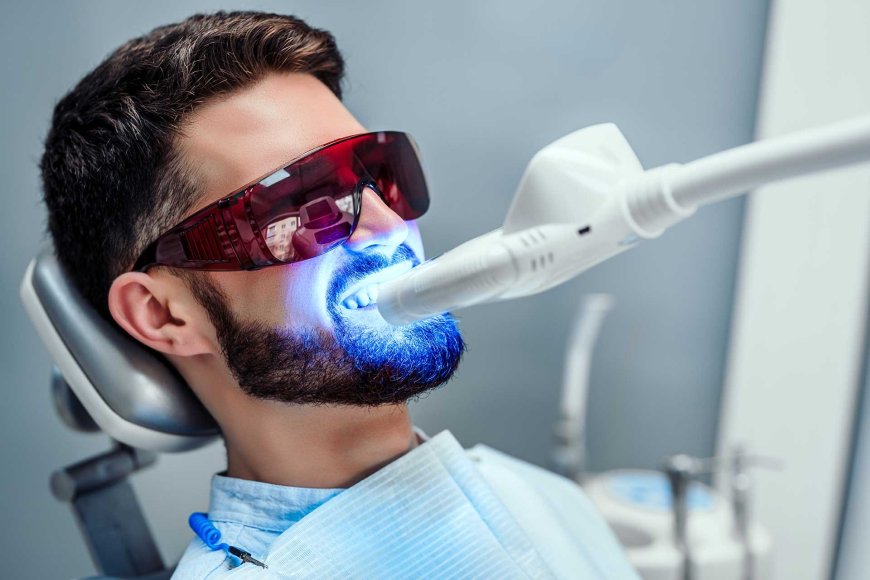
A bright white smile is often associated with confidence, good oral hygiene, and overall health. However, many people hesitate to whiten their teeth because they suffer from tooth sensitivity. If drinking hot coffee or enjoying ice cream already causes discomfort, the thought of whitening treatments can seem intimidating. Fortunately, modern dentistry has introduced several safe and effective solutions specifically designed for teeth whitening for sensitive teeth, allowing patients to enjoy a brighter smile with minimal discomfort.
Whether you're considering professional whitening or looking for affordable dental treatment abroad, understanding your options is the first step toward making the right decision.
Overview:
Teeth whitening for sensitive teeth is possible with modern dental techniques that prioritize patient comfort. Dentists often recommend low-concentration whitening agents, desensitizing gels, fluoride treatments, and customized whitening trays to reduce discomfort while effectively removing stains. Professional dental clinics also assess the underlying cause of sensitivity before treatment, ensuring safer and longer-lasting results. Through trusted dental tourism providers like Meditouring, patients can access high-quality whitening treatments at internationally accredited clinics while saving significantly on treatment costs.
Why Do Teeth Become Sensitive?
Tooth sensitivity occurs when the protective enamel becomes thinner or the gums recede, exposing the dentin underneath. Dentin contains microscopic tubules connected directly to the tooth's nerve, making teeth react painfully to hot, cold, sweet, or acidic foods.
Common causes include:
- Enamel erosion from acidic foods and beverages
- Aggressive tooth brushing
- Gum recession
- Tooth grinding (bruxism)
- Tooth decay or cracked teeth
- Previous dental procedures
- Naturally thin enamel
Before beginning any whitening treatment, a dental professional should identify the cause of sensitivity to ensure the safest approach.
Can Sensitive Teeth Be Whitened Safely?
Yes. Contrary to common belief, having sensitive teeth does not mean you cannot whiten your smile. The key is choosing the right whitening method and following professional guidance.
Dentists often recommend whitening systems specifically developed for sensitive teeth. These products contain lower concentrations of whitening agents while incorporating ingredients like potassium nitrate or fluoride that help reduce nerve irritation.
Professional supervision also minimizes risks and ensures even whitening results.
Professional Teeth Whitening for Sensitive Teeth
Professional whitening remains the safest and most effective option for individuals with sensitivity.
1. Customized Whitening Trays
Dentists create personalized trays that fit your teeth perfectly. These trays reduce gum irritation while allowing controlled application of whitening gel.
Benefits include:
- Even whitening
- Less gel leakage
- Reduced sensitivity
- Comfortable fit
2. In-Office Whitening
Professional whitening performed at dental clinics uses advanced whitening technology with protective barriers for gums and soft tissues.
Dentists may also apply:
- Desensitizing gel
- Fluoride varnish
- Protective coatings
These additional steps help reduce post-treatment discomfort while delivering noticeable whitening results in a single visit.
3. Gradual Whitening Programs
Patients with severe sensitivity may benefit from slower whitening programs using lower-strength bleaching agents over several weeks.
Although results take longer, the experience is considerably more comfortable.
At-Home Whitening Options for Sensitive Teeth
If you prefer whitening at home, choose products designed specifically for sensitive teeth.
Popular options include:
- Sensitive whitening toothpaste
- Low-concentration whitening strips
- Whitening pens
- Custom trays supplied by dentists
- Whitening gels containing potassium nitrate
Avoid overusing whitening products, as excessive bleaching may temporarily increase sensitivity.
Tips to Reduce Sensitivity During Whitening
Following these recommendations can significantly improve your whitening experience:
Use Sensitive Toothpaste
Begin using desensitizing toothpaste two weeks before whitening. Continue using it throughout treatment.
Avoid Very Hot or Cold Foods
Sensitive teeth react strongly to extreme temperatures. Eating room-temperature foods after whitening reduces discomfort.
Follow Recommended Treatment Times
Leaving whitening products on your teeth longer than instructed will not produce dramatically better results but may increase sensitivity.
Take Breaks if Needed
If discomfort occurs, pause treatment for one or two days before continuing.
Stay Hydrated
Adequate hydration supports saliva production, helping naturally protect tooth enamel.
Foods and Drinks to Avoid After Whitening
Freshly whitened teeth can temporarily absorb stains more easily.
For at least 48 hours after treatment, avoid:
- Coffee
- Tea
- Red wine
- Cola
- Curry
- Soy sauce
- Tobacco products
- Dark berries
Instead, choose light-colored foods such as:
- Rice
- Chicken
- Fish
- Yogurt
- Bananas
- Cauliflower
- Pasta
This helps maintain your whitening results longer.
Is Dental Tourism a Good Option?
Many patients now travel internationally for cosmetic dentistry because treatment costs are significantly lower while maintaining excellent standards of care.
Countries known for affordable cosmetic dentistry include:
- Turkey
- Thailand
- Hungary
- India
- Mexico
- United Arab Emirates
Trusted dental tourism facilitators like Meditouring help patients compare accredited clinics, experienced dentists, treatment packages, travel assistance, and follow-up care, making the process easier and more reliable.
How Long Do Whitening Results Last?
Results vary depending on lifestyle habits and oral hygiene.
Typically, professional whitening lasts:
- 12 to 36 months with proper care
To maintain your brighter smile:
- Brush twice daily
- Floss regularly
- Limit staining beverages
- Visit your dentist regularly
- Schedule occasional touch-up treatments
Who Should Avoid Teeth Whitening?
Whitening may not be suitable for everyone.
Treatment should be postponed if you have:
- Untreated cavities
- Gum disease
- Cracked teeth
- Exposed roots
- Pregnancy (consult your healthcare provider)
- Allergies to whitening ingredients
A dental examination is always recommended before starting any whitening procedure.
Why Choose Meditouring?
Finding trustworthy dental care abroad can be challenging. Meditouring simplifies the process by connecting international patients with carefully selected dental clinics known for quality care, experienced professionals, and transparent pricing.
Patients benefit from:
- Internationally recognized dental clinics
- Experienced cosmetic dentists
- Affordable treatment packages
- Personalized treatment planning
- Travel assistance
- Ongoing patient support
Whether you need professional whitening, veneers, implants, or a complete smile makeover, Meditouring helps you access reliable dental care while reducing treatment costs.
Conclusion
Having sensitive teeth doesn't mean you have to compromise on achieving a brighter smile. Today's advanced whitening techniques make teeth whitening for sensitive teeth safer, more comfortable, and more effective than ever before. Professional evaluation, customized treatment plans, and proper aftercare all contribute to excellent results with minimal discomfort.
If you're considering cosmetic dental treatment abroad, Meditouring can help you connect with trusted dental professionals who prioritize both your comfort and your smile. With expert guidance and internationally accredited clinics, you can safely achieve the confident, radiant smile you've always wanted while enjoying the benefits of affordable dental tourism.
What's Your Reaction?
 Like
0
Like
0
 Dislike
0
Dislike
0
 Love
0
Love
0
 Funny
0
Funny
0
 Angry
0
Angry
0
 Sad
0
Sad
0
 Wow
0
Wow
0