












How to Start a Personal Book Collection Without Overbuying
Learn how to build a personal book collection with smart budgets, space limits, buying rules, and practical ways to avoid unnecessary books.

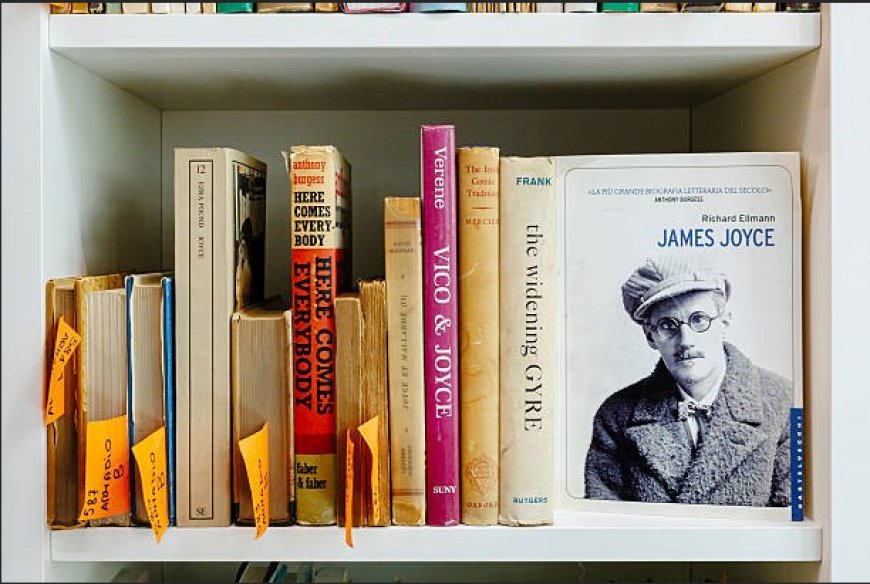
Building a personal book collection can be exciting, especially when every title feels worth owning. However, the excitement of buying books can quickly lead to overcrowded shelves, unread stacks, and unnecessary spending. A collection should feel intentional, personal, and enjoyable rather than overwhelming. The key is learning how to choose books that truly match your interests and reading goals.
With a thoughtful approach, you can avoid impulse purchases, make better choices, and create a library that grows naturally while remaining meaningful, manageable, and uniquely yours for years to come.
Key Takeaways
-
Build slowly and intentionally.
-
Choose books with lasting value.
-
Let your interests guide purchases.
-
Avoid buying under pressure or following trends.
-
Keep every addition purposeful.
Ways to Build a Meaningful Personal Book Collection
-
Decide What You Want Your Collection to Represent
Before buying more books, decide what kind of personal book collection you want to build. A clear purpose makes purchasing decisions easier and reduces impulse buying.
Your collection might focus on:
-
Favorite authors
-
A specific genre
-
Classic literature
-
Local history
-
Professional development
-
Signed editions
-
Family reading
-
Military history and war memoirs
-
Books connected to personal interests
You do not need to choose only one category. However, identifying two or three main areas can help you avoid collecting books that do not fit your long-term interests.
For example, you might build a collection around historical nonfiction, modern mysteries, and books by local writers. This gives your shelves variety without making the collection feel random.
-
Review What You Already Own
Many people begin buying before they understand what is already on their shelves. Start by reviewing your current books.
Separate them into simple groups:
-
Read and valued
-
Unread but still wanted
-
Unread and no longer interesting
-
Reference books
-
Sentimental books
-
Books to donate or sell
This process helps you recognize patterns. You may discover that you repeatedly buy the same type of book or own several titles on topics you no longer enjoy.
A useful book collection should not be judged only by size. Removing books that no longer serve you can make the remaining titles feel more meaningful and easier to use.
-
Set a Realistic Book-Buying Budget
A budget creates a clear limit before enthusiasm takes over. Choose an amount that fits comfortably within your monthly spending.
You can manage the budget in several ways:
-
Set a fixed monthly amount
-
Limit yourself to one or two books per month
-
Use a separate savings category for special editions
-
Allow extra spending only for planned events
-
Track every purchase in a note or spreadsheet
A budget does not make collecting less enjoyable. It encourages you to choose more carefully.
If a book costs more than expected, wait before buying it. A short pause often reveals whether the title is genuinely important or simply appealing in the moment.
-
Create a Waiting List Before You Buy
A waiting list is one of the simplest ways to prevent overbuying. Instead of purchasing every interesting title immediately, save it for later.
Keep a list with:
-
Book title
-
Author
-
Format
-
Reason you want it
-
Estimated price
-
Date added
Review the list every few weeks. Some titles will still feel important, while others may no longer interest you.
A 30-day waiting rule can work well for nonessential purchases. If you still want the book a month later, it is more likely to deserve a place in your personal book collection.
-
Use The Library as a Testing Ground
A library can help you decide which books are worth owning. Borrow a title first, especially when you are unsure about the author, subject, or writing style.
After reading, ask:
-
Would I reread this?
-
Would I recommend it?
-
Will I use it for reference?
-
Does it connect to my main collecting interests?
-
Would I miss it if I returned it?
If the answer is yes, buying a copy may make sense. If not, you enjoyed the book without adding unnecessary clutter.
Libraries are also useful for exploring unfamiliar genres before investing in them.
-
Buy According to Your Actual Reading Habits
A strong collection should match how you actually read, not how you imagine you might read someday.
Consider:
-
How many books do you realistically finish each month
-
Whether you prefer short or long books
-
Whether you reread favorites
-
How often do you read nonfiction
-
Whether you prefer physical or digital formats
-
How much shelf space do you have
Someone who reads mostly on a tablet may not need to buy every title in print. Suspense ebooks can be a practical choice for fast-paced reading, travel, or limited storage.
Similarly, listeners who spend time commuting may get more value from suspense audiobooks than from physical copies they may never open.
Your physical collection should contain books that benefit from being owned in print, such as illustrated works, reference titles, signed copies, or personal favorites.
-
Set A Shelf-Space Limit
Physical space is a natural boundary. Decide how many shelves, bookcases, or storage areas you are willing to use.
A simple one-in, one-out rule can prevent overcrowding. When a new book enters the collection, another book should be donated, sold, or passed along.
You can also assign space by category:
-
One shelf for fiction
-
One shelf for history
-
One shelf for reference books
-
One small section for unread titles
-
One section for sentimental books
When a category becomes full, stop buying until space becomes available.
This approach keeps your personal book collection organized and prevents books from spreading into areas where they become difficult to manage.
-
Choose Quality Over Quantity
A smaller collection of meaningful books is usually more useful than a large collection of forgotten purchases.
Before buying, check:
-
Whether you already own a similar title
-
The quality of the edition
-
The book’s condition
-
Whether the format suits your needs
-
Whether the author or subject has lasting value
-
Whether you'll realistically read it within the next few months
For used books, inspect the binding, pages, markings, odor, and water damage. A low price is not a good value if the book is uncomfortable to read or difficult to store.
For new editions, compare features such as introductions, notes, illustrations, translations, and print quality.
-
Avoid Buying Only Because a Book Is Popular
Popularity can help you discover books, but it should not decide what belongs in your collection.
A bestseller may not suit your taste. A viral recommendation may lose its appeal after a few weeks. A popular series may require more space and money than expected.
Before buying a trending title, read a sample or borrow it first. Pay attention to whether the subject, voice, and pacing genuinely interest you.
Your collection should reflect your reading identity, not a temporary list of popular releases.
-
Be Careful with Sales and Bundles
Discounts can encourage unnecessary purchases. A book is not a bargain if you did not truly want it.
Before buying a discounted title, ask:
-
Was this already on my waiting list?
-
Would I buy it at full price?
-
Do I have time to read it?
-
Does it fit my collection?
-
Am I buying it only to reach free shipping?
Bundles can create the same problem. A boxed set may look valuable, but it may include several books you do not want. Choose discounts that fit your collecting goals instead of buying books simply because they are on sale.
-
Keep The Unread Section Manageable
Unread books are normal in any collection, but the number should remain realistic.
Set a limit for unread physical books. This might be:
-
One shelf
-
Ten books
-
Three months of expected reading
-
A number based on your annual reading goal
When you reach the limit, pause buying until you finish or remove some titles.
This keeps your collection active rather than turning it into permanent storage.
Conclusion
Building a personal book collection should feel intentional, enjoyable, and connected to your real interests. The best collections grow gradually through careful choices rather than frequent impulse purchases. By giving each book a clear purpose, you create shelves that are easier to manage and more rewarding to revisit.
A thoughtful collection also reflects your reading journey, changing interests, and personal values over time. When you choose books with patience and attention, your collection becomes more than storage. It becomes a useful, meaningful record of what has informed, entertained, challenged, and inspired you throughout different stages of life.
Explore carefully selected titles at Warren Robinson Books and start building a collection that reflects your interests without unnecessary buying.
FAQs
Should I buy matching editions for my collection?
Matching editions can create a consistent look, but they are not necessary. Choose them only when design, uniformity, or collector value matters to you.
How should I protect books from sunlight?
Keep shelves away from direct windows and strong artificial light. Long-term exposure can fade covers, damage paper, and weaken bindings.
What is the best humidity level for storing books?
Books are generally safest in a stable, dry environment. Avoid damp rooms, basements, and areas with frequent temperature changes that may encourage mold or page warping.
Should I use bookplates or write my name inside books?
Bookplates can personalize a collection, but writing inside may reduce resale value. Avoid permanent markings in rare, signed, or collectible editions.
How can I move a growing collection safely?
Use small, sturdy boxes and pack books flat or upright. Avoid overfilling boxes because books quickly become heavy and may sustain binding damage.
What's Your Reaction?
 Like
0
Like
0
 Dislike
0
Dislike
0
 Love
0
Love
0
 Funny
0
Funny
0
 Angry
0
Angry
0
 Sad
0
Sad
0
 Wow
0
Wow
0