
















Botox Injection in Riyadh for Migraine Relief
Botox Injection in Riyadh for Migraine Relief

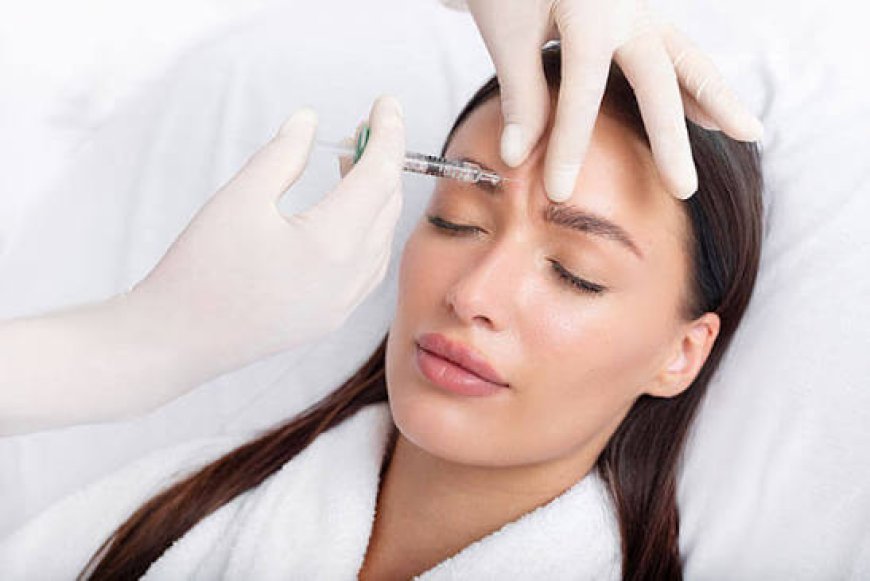
Chronic migraines are far more than just "bad headaches"; they are a debilitating, neurological condition that can systematically dismantle a person's quality of life. For sufferers, the constant cycle of throbbing pain, sensory sensitivity, and nausea can make everyday professional and personal responsibilities feel insurmountable. In recent years, a groundbreaking medical application of a familiar aesthetic treatment has emerged as a beacon of hope for thousands. Botox injection in Riyadh for migraine relief is now widely recognized by leading neurologists and pain management specialists as a highly effective, FDA-approved preventive treatment for chronic migraine sufferers.
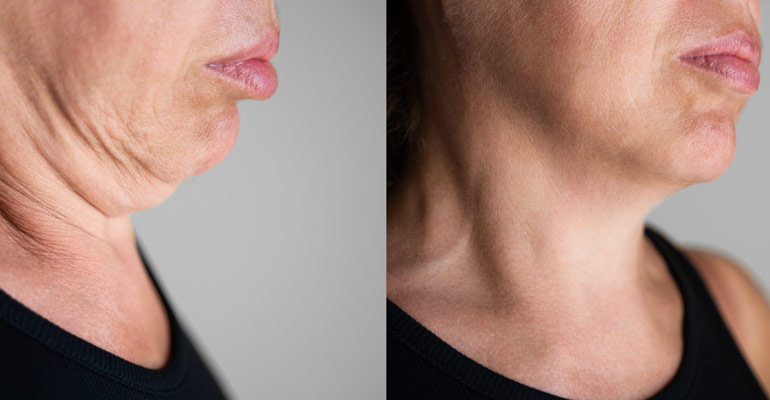
Botox injection in Riyadh is a popular non-surgical cosmetic treatment that helps reduce wrinkles, smooth fine lines, and enhance a youthful appearance with minimal downtime.
This specialized medical procedure focuses on breaking the pain cycle by preventing the signaling of chronic, recurrent headaches. By understanding how this treatment interacts with the nervous system, why it is increasingly being offered in Riyadh's premier medical centers, and what the clinical process involves, patients can take a proactive step toward regaining control over their health.
The Science of Chronic Migraine: A Brief Overview
To understand why a Botox injection is effective for migraines, it is important to define "chronic migraine." Medically, this is classified as suffering from 15 or more headache days per month, with at least 8 of those days being confirmed migraines, over a period of at least three months.
Migraines are complex neurovascular events. During a migraine, the trigeminal nerve—the primary pathway for facial and head sensation—is activated. This activation releases a "soup" of inflammatory chemicals and pain-transmitting neurotransmitters around the brain’s blood vessels and the protective coverings of the brain, known as the meninges. This causes the classic, pulsing pain associated with a migraine.
How Botox Acts as a Migraine Neuromodulator
Botox is a purified protein solution derived from Botulinum Toxin Type A. While many associate it with smooth skin, its medical history is rooted in therapeutic nerve regulation.
When used for migraine management, Botox does not simply "numb" the head. Instead, it functions through two distinct, scientifically established mechanisms:
-
Direct Pain Receptor Blocking: When injected into specific sensory nerve endings in the head and neck, Botox effectively prevents the release of inflammatory pain-inducing chemicals (such as substance P and CGRP). By preventing these chemicals from being released, the nerve pathway that usually signals the brain to "feel pain" is effectively silenced before the migraine signal can ever fully form.
-
Muscular Relaxation: Chronic tension often exacerbates migraine intensity. By relaxing the muscles in the scalp, forehead, neck, and shoulders, Botox reduces the physical "tightness" that can act as a trigger for migraine episodes.
By continuously reducing the frequency and intensity of these nerve signals, Botox prevents the nervous system from entering the hyper-sensitive state that leads to a full-blown migraine attack.
The PREEMPT Protocol: A Standardized Medical Approach
When receiving a Botox injection for migraine relief in Riyadh, the procedure follows a strictly standardized medical protocol known as the PREEMPT protocol. Unlike cosmetic treatments, which are customized based on facial lines, the migraine protocol is a precise, high-volume injection pattern.
The specialist will administer a specific number of units across 31 separate injection points distributed across seven key areas of the head and neck:
-
The Forehead and Temples: Targeting the frontalis and temporalis muscles to address common tension-related migraine triggers.
-
The Occipital Region: Treating the back of the head, where many chronic migraine sufferers experience radiating pain.
-
The Neck and Upper Shoulders: Addressing the trapezius and cervical paraspinal muscles, which often act as the "ground zero" for stress-induced migraine episodes.
This methodical coverage ensures that the entire peripheral nervous system surrounding the head is treated, effectively surrounding the migraine "hot spots" with a protective barrier of neurological regulation.
The Clinical Experience: What to Expect in Riyadh
The transition of medical Botox from specialty clinics to major hospitals across Riyadh reflects the city's commitment to cutting-edge neurological care. Patients seeking this treatment will undergo a rigorous screening process to ensure they meet the criteria for chronic migraine management.
Results and the "Lag Time" of Therapy
Patients should approach Botox for migraines as a long-term therapeutic investment rather than an instant cure. Because the brain needs time to "unlearn" its hyper-sensitive pain patterns, results are rarely felt after a single session.
-
The First Session: Most patients notice a slight reduction in the severity of their attacks, though frequency may remain similar.
-
The Second Session (Week 12): This is where many patients report a significant breakthrough. At the 12-week mark, the cumulative effect of the medication typically results in a noticeable drop in the number of migraine days per month.
-
The Maintenance Phase: To sustain relief, the protocol is repeated every 12 weeks. With consistent treatment, many sufferers report a dramatic transformation, moving from a cycle of constant pain to long periods of headache-free living.
Essential Aftercare for Therapeutic Botox
Because this protocol involves a larger volume of product and a wider surface area of the head and neck than cosmetic procedures, aftercare is essential to ensure the medication remains exactly where it was injected.
Rules for Migraine Botox Aftercare:
Do Not Rub the Head: Avoid massaging your forehead, scalp, or neck for 24 hours. Rubbing can physically displace the medication from the nerve endings.
Avoid Heavy Heat: Refrain from heavy saunas, steam baths, or hot towels on the head for 48 hours, as heat can increase systemic circulation and dissipate the effect prematurely.
Limit Strenuous Activity: Avoid heavy lifting or intense exercise that requires significant neck or head strain for 24 hours.
Track Your Progress: The most important aftercare task is to keep a detailed headache diary. Document the frequency, severity, and duration of all headaches to help your neurologist adjust the treatment plan for your next visit.
The Role of Riyadh's Neurological Specialists
Managing chronic migraines requires a multidisciplinary approach, and Riyadh’s healthcare sector excels at integrating neurological diagnostics with therapeutic interventions. Specialized headache clinics in Riyadh work in tandem with physiotherapy and wellness departments, ensuring that the Botox treatment is part of a larger, supportive framework for pain management.
By choosing a board-certified neurologist or pain specialist in Riyadh, patients ensure they are being treated in a safe, medically regulated environment where the PREEMPT protocol is executed with absolute clinical precision. This dedication to excellence is what makes Botox a life-changing intervention for thousands of people across the region, providing them with the opportunity to live a full, pain-free life.
What's Your Reaction?
 Like
0
Like
0
 Dislike
0
Dislike
0
 Love
0
Love
0
 Funny
0
Funny
0
 Angry
0
Angry
0
 Sad
0
Sad
0
 Wow
0
Wow
0