















Bread Proofer & Bread Making Kit for Home Bakers

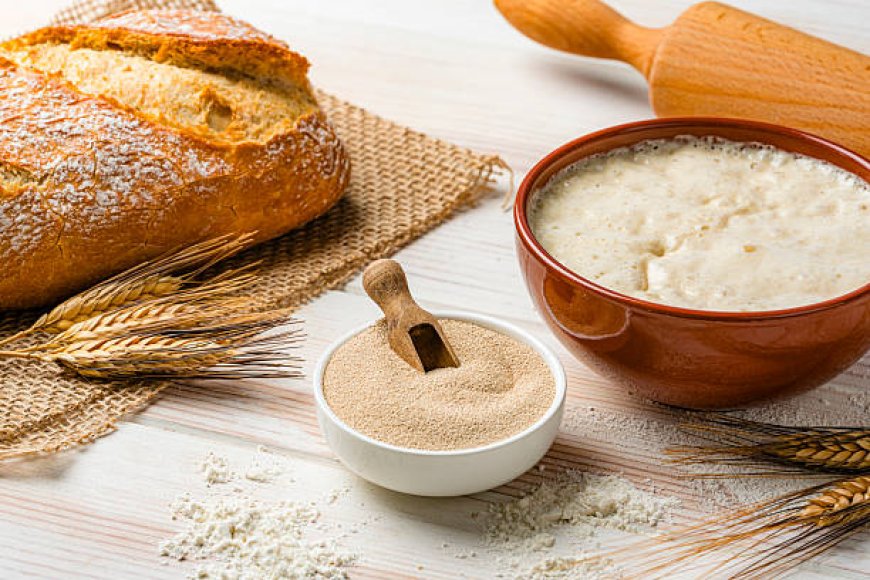
That steady environment means better rise, stronger structure, and flavor that actually develops instead of rushing or stalling. A bread proofer isn’t a luxury, it’s control. Instead of chasing warm corners in your kitchen or gambling with the oven light trick, you get a stable temperature that lets yeast work properly, every single time. When fermentation is controlled, your crumb evens out, your oven spring improves, and your crust stops looking pale and confused. It removes guesswork, and once guesswork is gone, confidence shows up. You stop blaming recipes. You start understanding dough.
The Problem With Kitchen Guesswork
Your kitchen temperature changes daily, sometimes hourly, and dough reacts to every bit of it. One cold morning and your rise drags forever; one humid afternoon and it overproofs before you’re ready. That inconsistency makes you think you’re doing something wrong when really it’s the environment. A bread proofer stabilizes that variable so your timing becomes predictable and repeatable. And repeatable results are how skill actually builds, not by crossing your fingers and hoping today’s loaf behaves better than yesterday’s.
What a Bread Making Kit Really Gives You
A real bread making kit is not just a box of random tools, it’s a workflow in physical form. You get the essentials—bench scraper, scoring blade, proofing basket, maybe a thermometer—and suddenly the process feels organized instead of chaotic. Instead of improvising with dull knives or flimsy spatulas, you use tools designed for dough. That structure speeds you up, reduces mistakes, and keeps you focused on technique rather than fighting your equipment. It’s not flashy, but it’s practical, and practical wins in baking.

Fermentation Is Where Bread Is Won or Lost
Baking happens in the oven, but bread is built during fermentation. Yeast activity, gluten strength, gas retention—all of it develops during that quiet rise. A bread proofer lets you guide that process instead of reacting to it, whether you want a slower ferment for deeper flavor or a slightly faster one to fit your schedule. Without temperature control, you’re either under-developing flavor or weakening structure. With control, you’re shaping the outcome before it ever hits heat.
Sourdough vs Commercial Yeast: Why Control Matters More
Commercial yeast forgives small mistakes; sourdough does not. Wild yeast cultures respond sharply to temperature swings, and even a few degrees can change timing and texture. Using a bread proofer with sourdough creates stability for your starter, bulk fermentation, and final proof, which means less collapse and more reliable oven spring. Pair that with a bread making kit that includes a proper proofing basket, and your shaped dough holds tension instead of spreading flat. Control turns sourdough from chaotic to manageable.
Why Cheap Tools Sabotage Good Dough
Cheap tools quietly sabotage your effort. A dull blade tears the surface when scoring, a weak scraper wastes dough, and unstable bowls shift temperature too fast. These small issues stack up and show in the final loaf. A quality bread making kit removes those friction points so you can focus on timing and feel. Add a bread proofer to stabilize fermentation, and you eliminate two of the biggest failure triggers: bad cuts and bad temperature control.
Time Management and the Modern Baker
Most people don’t have all day to babysit dough, and that’s fine. A bread proofer allows you to plan fermentation around your life by keeping conditions stable while you work, rest, or handle other tasks. A bread making kit keeps everything organized so you’re not wasting time searching for tools mid-process. When the workflow is smooth, baking becomes something you can repeat weekly instead of a once-in-a-while project that feels exhausting.
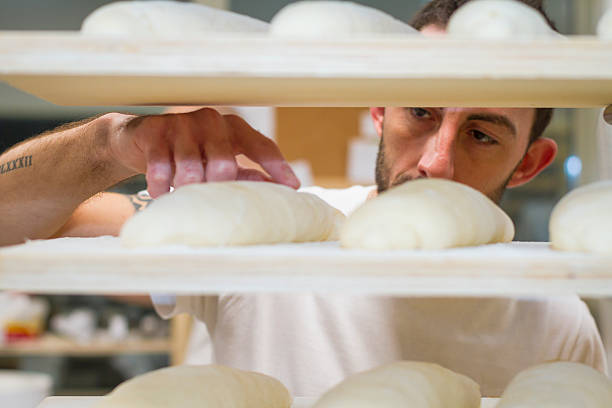
The Flavor Difference You Can Actually Taste
Controlled fermentation isn’t just about rise height, it’s about taste. Stable warmth allows yeast and bacteria to develop organic acids slowly, which deepens flavor and creates that subtle tang people associate with artisan bread. Without a bread proofer, temperature swings interrupt that development, leading to flat or overly sharp flavors. When fermentation stays steady, crumb texture improves and aroma intensifies. The difference is noticeable, not theoretical.
Building Skill Instead of Just Following Recipes
Using a bread making kit and proofing in a controlled environment teaches you to read dough instead of blindly following timers. You start noticing how elasticity changes at different stages, how bubbles form, how surface tension feels during shaping. That awareness builds real baking skill. Tools don’t replace experience, but they remove distractions so you can actually pay attention to what matters—the dough itself.
Small Kitchen? You Still Have Options
You don’t need a massive workspace to use a bread proofer. Many models are compact, foldable, or easy to store, making them practical even in tight kitchens. A well-designed bread making kit also reduces clutter because everything has a purpose and place. Instead of scattered tools and improvised setups, you get a streamlined station that makes bread baking feel intentional rather than chaotic.
The Psychology of Better Equipment
When you invest in proper tools, your mindset shifts. A bread proofer and a solid bread making kit signal commitment, and that commitment changes how carefully you measure, mix, and shape. You become more patient. More observant. Better equipment doesn’t magically fix mistakes, but it raises your standards. And in a slow craft like bread baking, higher standards quietly improve results over time.

Start Strong, Stay Consistent
If you want consistent loaves, stop relying on inconsistent conditions. Use a bread proofer to stabilize fermentation and a reliable bread making kit to structure your process from mixing to scoring. Remove unnecessary variables so you can focus on technique and flavor. Bread baking isn’t complicated, but it demands attention and steady conditions. If you’re ready to stop guessing and start baking with purpose, visit Abioto Baking to start and build your setup the right way.
FAQs About Bread Proofer and Bread Making Kit
What temperature is best for a bread proofer?
Most yeast dough performs well between 75°F and 85°F, while sourdough often thrives around 78°F to 82°F for steady fermentation.
Is a bread making kit necessary for beginners?
It’s not mandatory, but it simplifies the process and prevents common tool-related mistakes.
Can I bake without a bread proofer?
Yes, but results depend heavily on room temperature, which makes consistency harder to achieve.
Does controlled proofing improve bread texture?
Yes, stable fermentation supports stronger gluten structure and better crumb development.
What tools should a bread making kit include?
A quality kit should have a bench scraper, scoring blade, proofing basket, mixing tools, and ideally a thermometer.
What's Your Reaction?
 Like
0
Like
0
 Dislike
0
Dislike
0
 Love
0
Love
0
 Funny
0
Funny
0
 Angry
0
Angry
0
 Sad
0
Sad
0
 Wow
0
Wow
0