













How to Buy Cotton Fabric That Matches Your Brand's Quality Standards
Learn how to evaluate cotton fabric quality, avoid sourcing mistakes, and find reliable cotton fabric wholesale suppliers—online and local.

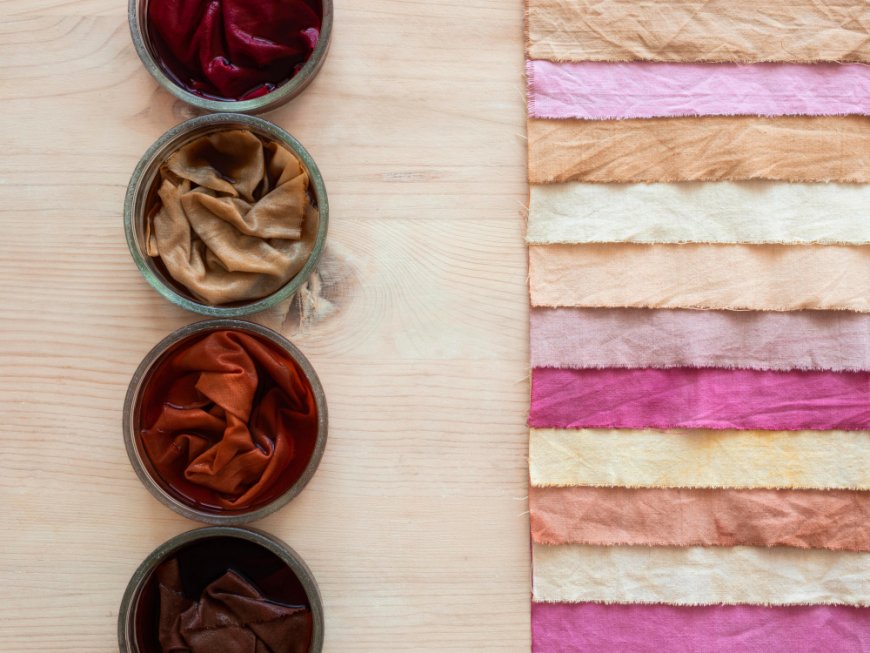
Getting the fabric right isn't just a production decision—it's a brand decision. The wrong cotton can lead to returns, bad reviews, and lost customers. The right cotton builds trust, repeat purchases, and a product line your customers recommend.
This guide walks you through the key quality factors to evaluate, where to source cotton fabric wholesale, and how to avoid the common mistakes that cost brands time and money.
Why Cotton Fabric Quality Matters for Your Brand
Poor fabric choices show up fast. A garment that shrinks after one wash, fades after two, or feels rough against the skin reflects directly on your brand—not your supplier. Customers don't separate the two.
On the other hand, consistent fabric quality builds a reputation that's hard to shake. Brands that get their fabric sourcing right tend to see stronger customer retention and fewer product complaints. When you buy cotton fabric at scale, even a small compromise on quality multiplies across every unit in your order.
Understanding Cotton Fabric Quality Standards
Before you place any order, you need to know what you're evaluating. Cotton fabric quality comes down to four core factors.
Thread Count and Its Effect on Durability and Feel
Thread count refers to the number of threads per square inch of fabric. Higher thread counts generally mean a softer, denser fabric—but only up to a point. Beyond 600 threads per square inch, quality gains become negligible. For most apparel and home textile applications, a thread count between 200 and 400 offers the best balance of durability and comfort.
Fiber Length and How It Determines Fabric Strength
Longer cotton fibers (called long-staple cotton) produce stronger, smoother yarn. Egyptian cotton and Pima cotton are well-known long-staple varieties. Shorter fibers create a rougher texture and are more prone to pilling. If your brand relies on a premium feel, long-staple cotton fabric is worth the higher cost per meter.
Weave Types and Their Role in Fabric Performance
The weave structure affects how the fabric drapes, stretches, and wears. Plain weaves are durable and breathable—great for shirts and linings. Twill weaves (like denim) are strong and resistant to wrinkles. Satin weaves have a smooth, lustrous surface but sacrifice some durability. Choose your weave based on the end product, not just appearance.
Weight and Density Considerations for Different Applications
Fabric weight (measured in GSM—grams per square meter) determines how heavy or light the finished product feels. Lightweight cotton (80–150 GSM) works well for summer clothing and inner linings. Midweight (150–250 GSM) is ideal for everyday apparel. Heavyweight cotton (250+ GSM) suits workwear, canvas bags, and upholstery. Matching GSM to your product category is a basic step many brands skip.
Key Factors to Evaluate When Buying Cotton Fabric
Knowing what makes cotton fabric good is only part of the process. Here's how to actually assess it before you commit to a bulk order.
Check Certifications and Testing Standards
Look for certifications like OEKO-TEX Standard 100, GOTS (Global Organic Textile Standard), or BCI (Better Cotton Initiative). These signal that the fabric has been tested for harmful substances and produced responsibly. Certifications also matter if your brand markets itself as sustainable or ethical.
Assess Color Fastness and Shrinkage Rates
Color fastness measures how well dye holds up against washing, sunlight, and friction. A fabric with poor color fastness will fade or bleed—both serious issues for finished products. Similarly, ask suppliers for pre-shrinkage data. Cotton fabric typically shrinks 3–5% if not pre-treated. Know this before you cut your patterns.
Examine Fabric Consistency Across Batches
Batch-to-batch consistency is a major sourcing challenge. The fabric you receive in your sample may look and feel different from what arrives in your bulk shipment. Ask suppliers how they manage quality control across production runs and whether they can provide consistent dye lots.
Test Fabric Samples Before Bulk Purchases
Always request samples before placing a large order. Run your own tests—wash the fabric multiple times, check shrinkage, assess how it handles stitching, and compare it against your product specs. This step alone prevents a large share of supplier disputes.
Where to Buy Cotton Fabric Wholesale
Benefits of Buying Cotton Fabric Wholesale for Cost Savings
Buying cotton fabric wholesale reduces your per-meter cost significantly. It also gives you better leverage when negotiating lead times, customization options, and minimum order quantities (MOQ). For growing brands, wholesale sourcing is often the step that makes production economically viable.
Online Platforms for Buying Fabric Online with Quality Assurance
Several platforms now let you buy fabric online with detailed product specs, certifications, and sample programs. This is especially useful for brands that can't visit suppliers in person. When buying fabric online, prioritize platforms that offer verified supplier ratings, clear return policies, and fabric testing documentation.
Fabriclore Pvt Ltd is one of the leading platforms for buying cotton fabric online and wholesale. Trusted by 400+ private labels globally, Fabriclore offers customized fabric design, dyeing, and printing at low MOQ—making it a practical choice for both emerging and established fashion brands. Their tech-enabled platform provides delivery transparency and responsive customer support, which matters when you're managing production timelines.
Local Suppliers and Their Advantages
Local suppliers offer faster turnaround times, easier communication, and the ability to inspect fabric in person before purchase. If you're building a domestic supply chain, establishing relationships with nearby mills or distributors can reduce lead times and shipping costs substantially.
Fabriclore Pvt Ltd as a Trusted Local and Online Cotton Fabric Supplier
For brands based in India or sourcing from Indian manufacturers, Fabriclore Pvt Ltd operates as both a local and online cotton fabric supplier. They handle cotton, linen, modal, sustainable blends, and more—with consistent quality across orders. Their wholesale pricing and customization capabilities make them a strong fit for fashion brands looking to scale without sacrificing fabric standards.
Tips for Sourcing the Right Cotton Fabric for Your Brand
Define Your Quality Requirements Upfront
Before contacting any supplier, write down your exact requirements—fiber type, GSM, weave, certifications, and acceptable shrinkage range. Vague briefs lead to mismatched fabric and wasted samples.
Request Samples and Conduct Testing
Make testing non-negotiable. Run samples through real-world conditions: wash them, stretch them, sew them. Compare results against your specifications and only move forward when the sample passes.
Build Relationships with Reliable Suppliers
A good supplier relationship is an asset. Suppliers who know your brand, your standards, and your production schedule will prioritize your orders and flag issues early. Loyalty pays off in consistency.
Compare Pricing Without Compromising on Quality Standards
Price comparison is smart. Accepting lower quality to save cost is not. When evaluating supplier quotes, factor in the total cost—including potential returns, rework, and reputational damage from sub-standard fabric.
Common Mistakes to Avoid
- Prioritizing price over quality: The cheapest fabric rarely produces the best product. Low-cost cotton fabric often comes with inconsistent quality, poor color fastness, and high shrinkage.
- Ignoring fabric certifications: Uncertified fabric carries more risk—both for your customers and for compliance with retail or export standards.
- Failing to test samples adequately: One wash test is not enough. Put samples through extended testing before approving bulk production.
- Working with untested suppliers: New suppliers should go through a vetting process before you place large orders. Start small, test quality, then scale.
Get Your Fabric Sourcing Right From the Start
Cotton fabric quality is one of the most controllable variables in your production process—and one of the most impactful. Brands that invest time in vetting their fabric suppliers, setting clear quality standards, and testing before bulk orders avoid the costly mistakes that undermine product reputation.
Cotton fabric wholesale options are more accessible than ever, with reliable platforms like Fabriclore Pvt Ltd making it easier to source consistent, certified fabric at competitive prices—whether you're buying locally or buying fabric online from anywhere in the world.
Set your quality standards, test your samples, and partner with suppliers who can deliver consistently. That's how you build a product your customers trust.
What's Your Reaction?
 Like
0
Like
0
 Dislike
0
Dislike
0
 Love
0
Love
0
 Funny
0
Funny
0
 Angry
0
Angry
0
 Sad
0
Sad
0
 Wow
0
Wow
0