













Cable Fault Locator: A Practical Guide to Finding Underground Cable Faults
A Cable Fault Locator is used to identify and locate faults in electrical, telecom and communication cables.Finding a fault quickly can help reduce troubleshooting time and support efficient cable maintenance. Many modern cable fault locators use Time Domain Reflectometry (TDR) to send a pulse through a cable and analyze the reflected signal. The measurement can help estimate the distance to a fault.

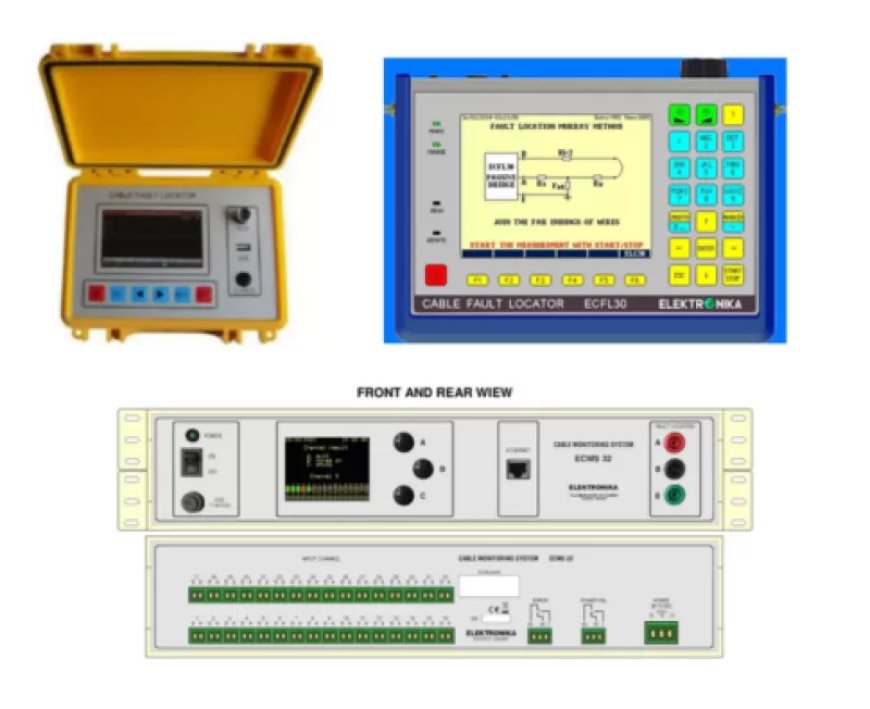
Cable Fault Locator: A Practical Guide to Finding Underground Cable Faults
A Cable Fault Locator is used to identify and locate faults in electrical, telecom and communication cables.Finding a fault quickly can help reduce troubleshooting time and support efficient cable maintenance.
Many modern cable fault locators use Time Domain Reflectometry (TDR) to send a pulse through a cableand analyze the reflected signal. The measurement can help estimate the distance to a fault.
Common Cable Faults
A cable fault may occur because of:
- Cable breaks
- Short circuits
- Cross faults
- Poor insulation
- Grounding problems
- Damaged connections
- Physical cable damage
How TDR Helps
TDR technology sends an electrical pulse into the cable. When the pulse encounters an impedance change,part of the signal is reflected.
The instrument analyzes this reflection and calculates the approximate distance to the fault.
Applications
Cable Fault Locators are useful in:
- Telecom cable maintenance
- Electrical cable testing
- Outside plant maintenance
- Network troubleshooting
- Cable installation
- Project acceptance testing
- Field service operations
Choosing a Cable Fault Locator
Important factors include:
- Testing range
- TDR functionality
- Fault types supported
- Display and interface
- Data storage
- Portability
- Battery life
Khushi Communications supplies cable testing and fault-location solutions for telecom and electrical cablemaintenance applications.
What's Your Reaction?
 Like
0
 Dislike
0
 Love
0
 Funny
0
 Angry
0
 Sad
0
 Wow
0