Can AI Answer Patient Calls Automatically? Here's How It Works
Can AI answer patient calls automatically? Yes, AI-powered voice assistants can answer incoming calls, help patients with requests, provide approved information about their requests, and handle some administrative tasks in the process.
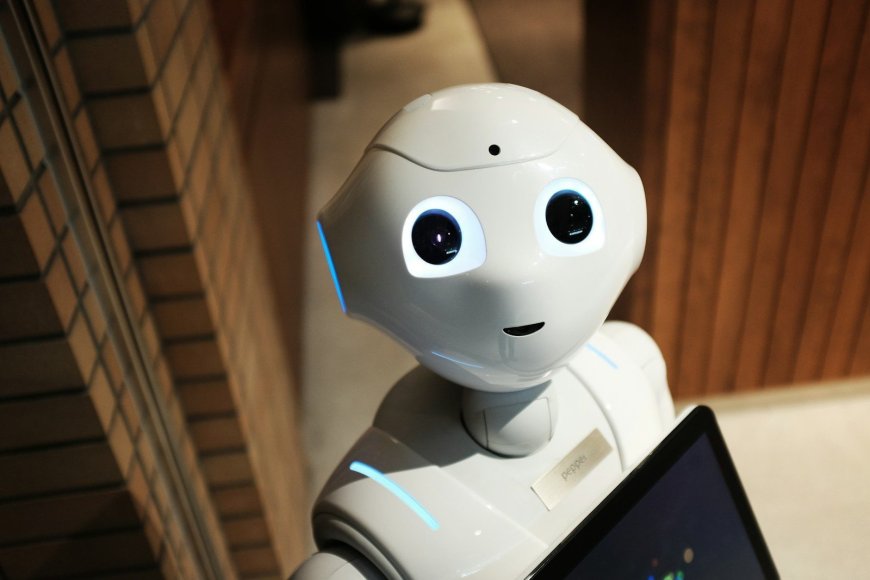
Can AI answer patient calls automatically? Yes, AI-powered voice assistants can answer incoming calls, help patients with requests, provide approved information about their requests, and handle some administrative tasks in the process. For healthcare organizations with a high volume of calls, this technology can keep communication going in the office even when reception staff are busy.
AI doesn’t have to handle every conversation on its own. It can serve as the first point of contact, handle routine requests, and direct more complicated calls to the appropriate member of the healthcare team.
When AI answers patient calls
When a patient calls, an AI voice assistant uses speech recognition to understand their words and identify the call's purpose. It then responds using information and workflows configured by the healthcare practice. A patient might ask about clinic hours, appointment availability, directions, or how to change an existing appointment. The AI can respond to these routine requests without staff intervention. Some systems can connect to scheduling and practice-management systems and can perform actions such as booking appointments or recording information.
AI can automate common tasks
An AI phone assistant can potentially support a range of front-office activities, including:
· Answering common patient questions
· Sharing clinic hours and location information
· Scheduling appointments
· Confirming or changing appointments
· Collecting basic contact information
· Taking messages
· Routing calls to specific staff members
· Handling routine after-hours inquiries.
These tasks can reduce repetitive phone work and let staff focus on patients who need more direct help.
What happens when a patient needs a person?
Not every call should be handled by AI. Patients may have complex questions, billing issues, sensitive matters, or requests that require personalized communication. A good system should therefore have a simple procedure for transferring calls to a human team member. Clearly defined escalation rules ensure callers are not left navigating an automated system when human support is needed.
Can AI help to provide medical advice?
AI phone assistants should operate within clear boundaries. They can provide approved administrative information, but they should not replace qualified healthcare professionals when diagnosis, treatment decisions, or clinical judgment are required.
Practices should also establish protocols for potentially urgent calls. Depending on the situation, the system may need to direct the caller to emergency services or escalate the conversation according to the practice's procedures.
How will AI affect patient communication in the future?
So can AI answer patient calls automatically? Yes. It can handle many routine conversations and support administrative workflows without requiring a staff member to answer every call.
The most practical approach is to combine automation with human oversight. If AI handles routine requests and trained staff handle more complex conversations, healthcare practices can provide a responsive phone experience while keeping patient needs at the center.
What's Your Reaction?
 Like
0
 Dislike
0
 Love
0
 Funny
0
 Angry
0
 Sad
0
 Wow
0