


















Can Better Sleep Help Prevent Tension Headaches?
“Key Highlights: Poor sleep can be the cause of headaches such as tension-type headaches. By making sure there is good-quality sleep and a good sleeping routine, you can help reduce the impact and occurrence of headaches, but sleep itself is unlikely to be a tension headache cure.”

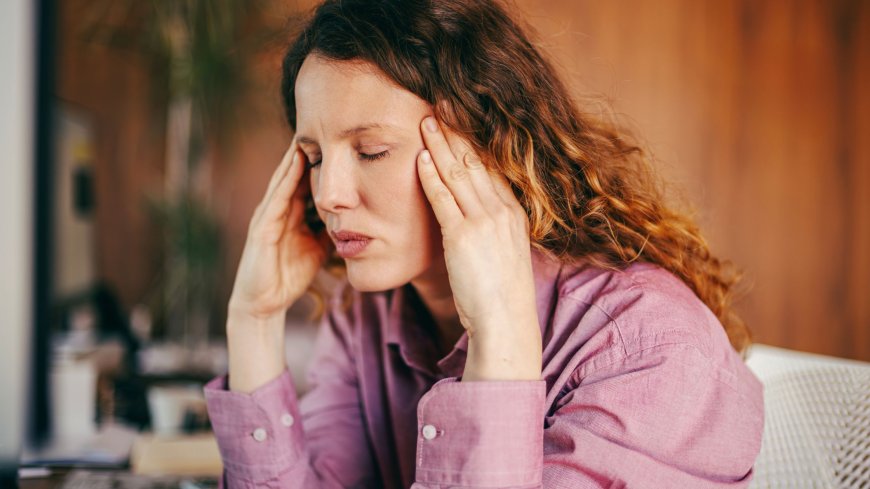
A tension headache is described as a kind of headache in which one experiences a pressure-like sensation in the head accompanied by stiffness in the shoulders and neck region. Concerning tension headaches cure, there are many aspects that should be taken into account. Some of these reasons may be associated with stress, improper posture, muscle tension, dehydration, and sleeplessness.
Bad sleep and headaches are connected because bad sleep followed by a headache the following day leads to more bad sleep at night. It is worth breaking this cycle in order to reduce the occurrence of headaches.
How does sleep affect headaches?
The human body requires sleep to function correctly; poor sleep can affect not only mood and cognitive function but also physical well-being, with some people being more prone to headaches after a poor night's sleep.
Scientifically proven, there is a connection between sleep and a range of headaches, including tension-type headaches. Poor sleep as a result of an unhealthy bedtime routine can also have detrimental effects on a person's lifestyle that can trigger headaches.
Can lack of sleep cause tension headaches?
Poor sleep can cause long-term adverse effects on a person's lifestyle, such as skipping exercise and unhealthy eating or even the overconsumption of caffeine due to tiredness during the day; having sufficient sleep on a regular basis may protect against tension headaches through this mechanism.
What's a good sleeping position?
Depending on how you sleep and what kind of bed and pillow you have, certain sleeping positions can cause uneven pressure on the muscles of the body throughout the day, especially the neck and shoulder muscles. Such pressure points can cause tension and headaches. Usually, the proper use of the pillow may help overcome the problem since it will relieve the pressure points on one’s head and neck during sleep.
How can one cope with stress before bed?
When one feels stressed, one’s muscles tend to feel tense all over the body, especially the muscles in the neck, shoulder, and jaw regions, hence causing the onset of tension headaches. One needs to perform an action that calms him/her down before going to sleep. There are many different techniques that could be used to relax the body, such as stretching, deep breathing, meditating, walking, among other techniques.
Does my bedroom set up matter?
A proper setting must be established in order to allow you to get enough rest during the night. It is very important that the environment where you will go to sleep is comfortable. One such factor that can influence sleep is noise or light.
Secondly, it is essential to buy a nice set of pillows and a comfortable bed so that your body can get an adequate amount of support. In addition to all these factors, the temperature should also be comfortable.
What if I have headaches when I wake up
Morning headaches can be caused by several factors. Sleep deprivation may be one of these reasons, as irregular sleep patterns or poor sleep may cause headaches in the morning.
However, sleep position and hydration can also be the reason for headaches upon waking up. In addition, you need to track the time of your headaches. Apart from that, you need to consider a number of other factors, including stress levels, diet, the number of fluids you consumed, and the symptoms you have if you feel sick.
You can show the information to your primary care physician, who will be able to tell you what the potential trigger for your headaches is. If there are other symptoms such as feeling sick, it is essential to also speak with your doctor.
Can better sleep be a tension headache cure?
Better sleep can be the best tension headache cure as it can reduce the overall occurrence of headaches as well as their impact on a person's daily functioning. Nevertheless, it is unlikely to be a tension headache cure on its own, as there are various aspects to tension headaches and their prevention, including a good diet and fluid intake, regular physical activity, and taking rest from using screens. For additional guidance, read about when a tension headache needs medical attention and the signs that may warrant further evaluation.
Doing exercises that stretch the neck and shoulder muscles, as well as managing stress and posture, can also be helpful for reducing tension headaches.
According to the Cleveland Clinic, in addition to a good nighttime sleep schedule and quality of sleep, stress management, exercising, stretching, and good posture can also be helpful tension headache prevention techniques that will reduce the likelihood of developing tension headaches.
Conclusion
Improving the quality of your sleep patterns can aid in preventing headaches, like tension headaches. The arrangements and bedtimes in the best practices for achieving good sleep are integral to attaining it. While good sleep is vital in the management of headaches, it is unlikely to be the sole solution for the issue. If you suffer from recurrent tension headaches, it is advised to speak with a medical professional about the symptoms and concerns you have to receive appropriate treatment.
What's Your Reaction?
 Like
0
 Dislike
0
 Love
0
 Funny
0
 Angry
0
 Sad
0
 Wow
0