
























Can Dental Implants Replace Multiple Missing Teeth? A Step-by-Step Guide to the Process
Missing several teeth? Discover how dental implants replace multiple teeth, what the process involves, the timeline, and how to prepare for treatment.

Losing one tooth is unsettling enough. Losing several can quietly change the way you eat, speak, and feel about yourself. For many people across India, multiple missing teeth become a source of daily discomfort - not just physically, but emotionally too. The good news is that dental implants have moved well beyond replacing a single tooth. Today, they offer a reliable, long-lasting solution for patients dealing with significant tooth loss. If you have been wondering whether implants can work for your situation, this guide walks you through exactly what the process looks like, what each stage involves, and how to prepare yourself for a successful outcome.
Understanding How Implants Handle Multiple Teeth
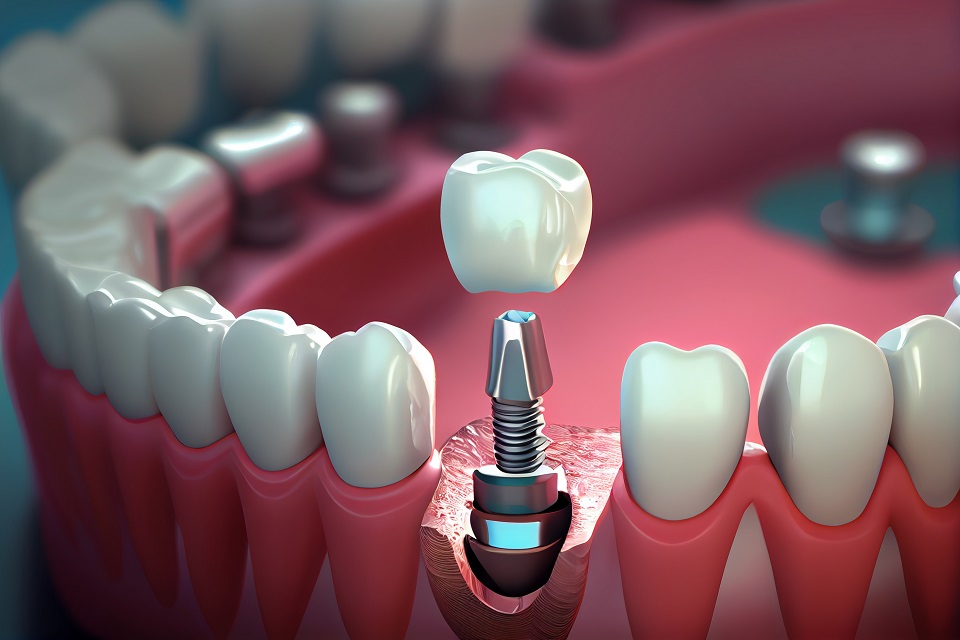
A dental implant is essentially a titanium post placed into the jawbone, acting as an artificial tooth root. When you need to replace multiple teeth, the approach depends on how many are missing and where they are positioned in the mouth.
Individual Implants for Each Tooth
If you have several missing teeth scattered across different areas of the mouth, your dentist may recommend one implant per tooth. Each implant supports its own crown, giving you a result that closely mirrors natural teeth in both function and appearance. This option works particularly well when the surrounding bone is healthy and sufficient.
Implant-Supported Bridges
When multiple teeth are missing in a row, placing an implant for every single one is not always necessary. Instead, two implants can anchor a dental bridge that covers three, four, or even more teeth. This approach is more cost-effective and reduces the number of surgical sites, while still delivering a stable, fixed result.
Patients who opt for Permanent Tooth Replacement through implant-supported bridges often find the experience far more comfortable than living with removable dentures.
Full-Arch Solutions
For patients who have lost most or all of their teeth in one jaw, full-arch implant treatments - commonly known as All-on-4 or All-on-6 - use just four to six strategically placed implants to support an entire set of fixed teeth. This is one of the most transformative procedures in modern dentistry and can be completed with fewer implants than you might expect.
The Step-by-Step Process: What Actually Happens
Many patients feel anxious about dental implants simply because they do not know what to expect. Breaking the process down into clear stages removes a lot of that uncertainty.
Initial Consultation and Assessment
Everything starts with a thorough evaluation. Your dentist will examine your teeth, gums, and jawbone, and most likely take digital X-rays or a 3D CBCT scan to understand the bone structure in detail. This stage is also where your dentist discusses your medical history, since conditions like diabetes or a smoking habit can influence healing. The consultation determines which implant option suits you and gives you a realistic picture of the full timeline and cost involved.
Preparatory Procedures (If Needed)
Not everyone is immediately ready for implants. Some patients require extractions of failing teeth, treatment for gum disease, or a bone graft to build up areas where the jaw has thinned over time. These steps are not complications - they are simply part of creating a strong foundation. Bone grafts, for instance, may add several months to the overall timeline, but they significantly improve the long-term success of the implant.
Implant Placement Surgery
The actual placement is performed under local anaesthesia, so you remain comfortable throughout. The dentist makes a small incision in the gum, places the titanium post into the bone, and closes the site. Depending on your treatment plan, multiple implants may be placed in the same session. Most patients are surprised by how manageable the procedure feels. Mild soreness and swelling over the following few days are normal and expected.
Osseointegration: The Healing Phase
After placement, the implant needs time to fuse with the jawbone - a biological process called osseointegration. This is the longest phase of treatment, typically taking three to six months. During this period, you may be fitted with temporary teeth so that daily life is not disrupted. Following your dentist's care instructions during healing is critical to success.
Fitting the Final Restoration
Once the implants have integrated, impressions or digital scans are taken to fabricate your final crowns, bridge, or full-arch prosthesis. These restorations are custom-made to match the colour, shape, and alignment of natural teeth. When fitted, they are virtually indistinguishable from the real thing - both to the eye and in function.
Realistic Timeline: How Long Does It All Take?
The complete implant journey for multiple teeth typically spans anywhere from four months to over a year, depending on whether preparatory work is required. A straightforward case with good bone density might be completed in four to six months. Cases requiring bone grafting or treating active gum disease will naturally take longer. It helps to think of dental implants as a staged investment rather than a quick fix - the time taken is what makes the outcome so durable.
How to Prepare for Your Implant Treatment
Preparation makes a meaningful difference to both the experience and the result. On a practical level, arrange time off work around surgical appointments, particularly the placement day. Stock up on soft foods for the days following surgery - things like dal, yoghurt, mashed vegetables, and smoothies. Avoid smoking before and after surgery, as it significantly impairs healing. If you take any medications, especially blood thinners or steroids, inform your dentist well in advance.
Equally important is choosing the right dental team. Look for a clinic that has experience with multi-tooth implant cases and uses quality implant systems. If you are based in or around Madhya Pradesh,
exploring Affordable Dental Implants in Ujjain is a practical starting point - access to experienced implantologists closer to home reduces the strain of multiple visits over several months.
Long-Term Care After Multiple Implants
Implants do not decay the way natural teeth do, but they still require consistent care. Brush twice daily, floss around each implant using special implant floss or an interdental brush, and keep up with your six-monthly dental check-ups. With proper maintenance, dental implants routinely last fifteen to twenty-five years - and in many cases, a lifetime. The bone around the implant continues to stay stimulated, which prevents the gradual facial changes that often accompany long-term tooth loss.
Conclusion
Replacing multiple missing teeth with dental implants is entirely achievable, and for most patients, it is life-changing. The process does ask for patience - there are stages, healing periods, and preparation involved - but every step is purposeful. Once complete, you are left with teeth that feel, look, and function like the real thing. If you are considering this path, speaking to a qualified dentist is the most important first step you can take.
The team at Sanjeevani Dental Care – Expert Dental Services in Ujjain can assess your specific situation, walk you through your options, and help you begin a treatment plan that fits your needs and your life.
Frequently Asked Questions
How many implants do I need to replace multiple missing teeth?
It depends on the number of missing teeth and their position. Individual missing teeth each require one implant, while a row of missing teeth can often be restored with just two implants supporting a bridge. Full-arch cases may use only four to six implants to replace an entire jaw of teeth. Your dentist will recommend the most suitable option based on your bone density and overall oral health.
Is the dental implant procedure painful when replacing several teeth at once?
The surgery is performed under local anaesthesia, so you will not feel pain during the procedure. Some soreness, swelling, and tenderness in the days following surgery is normal. This is easily managed with over-the-counter pain relief and usually settles within a week. Patients often report that the procedure was far more comfortable than they had anticipated.
What happens if I do not have enough jawbone for implants?
Insufficient bone is a common finding,
particularly in people who have had missing teeth for several years. A bone graft procedure can rebuild the area, creating the foundation needed for successful implant placement. While this adds time to the overall treatment, it significantly improves the long-term stability of the implants.
Can I get temporary teeth while waiting for the implants to heal?
Yes, in most cases your dentist will provide temporary restorations - either a temporary bridge, a removable partial denture, or in some situations, temporary crowns placed directly on the implants. These allow you to eat, speak, and smile with reasonable comfort during the healing phase, so you are not left without teeth for months at a time.
How do I maintain multiple dental implants in the long run?
Daily brushing and flossing remain essential. Use a soft-bristled toothbrush and implant-safe floss or interdental brushes to clean around the base of each implant. Avoid habits like chewing on very hard objects or using your teeth as tools. Regular dental check-ups, ideally every six months, allow your dentist to monitor the health of the implants and address any early concerns before they develop into problems.
Source: diigo.com
What's Your Reaction?
 Like
0
Like
0
 Dislike
0
Dislike
0
 Love
0
Love
0
 Funny
0
Funny
0
 Angry
0
Angry
0
 Sad
0
Sad
0
 Wow
0
Wow
0