












Do You Know Where the AED Is at Your Rec Centre?
Learn how CPR training, AED awareness, and first aid preparation can help recreational sports facilities and neighbourhood groups respond to cardiac emergencies.

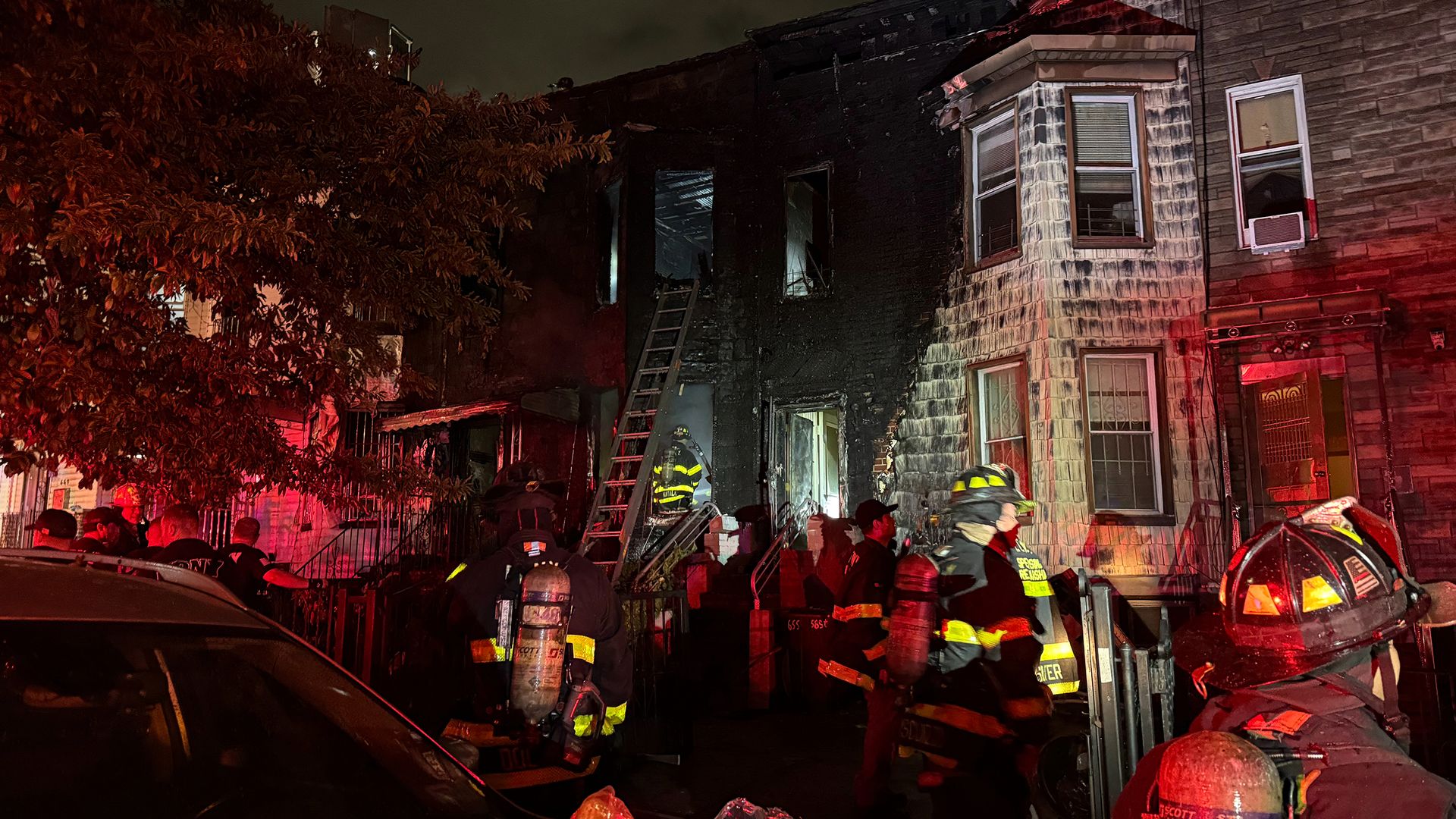
Picture a Tuesday night at the arena. Beer league hockey, half the seats empty, somebody's kid doing homework in the lobby. A player comes off the ice, sits down hard on the bench, and doesn't get back up. Everybody freezes. Someone yells for help. Two people reach for their phones at the same time, and nobody actually moves toward him. That pause — the long, awful second where nobody is sure what to do — is exactly what a course like First Aid certification Calgary is designed to remove from the room.
Because here's the thing about cardiac arrest. It doesn't wait for a doctor to be nearby. It happens in arenas, community halls, pools, weight rooms, and church basements, and the people standing closest are usually a coach, a neighbour, or a teenager working the front desk.
How Often Does This Actually Happen?
More often than most of us assume. The Heart and Stroke Foundation of Canada estimates that around 60,000 cardiac arrests happen outside of hospitals in Canada every year. Only 1 in 10 people survives one.
That survival number is grim. But it comes with a second fact that changes everything: survival rates can double when someone nearby acts quickly, starts CPR, and uses an AED. Not a paramedic. Someone who was already in the building.
So the difference between the two outcomes is often not medical equipment or hospital distance. It's whether anybody in the room knew what to do in the first three minutes.
Where Are the AEDs in Your Neighbourhood?
Here's a small challenge. Think about the four or five places you spend the most time — the rec centre, the arena, your gym, the community hall, your kid's school. Can you picture where the defibrillator is in each one?
Most people can't. And that's not a personal failing. AEDs are deliberately unobtrusive. They sit in a white or green wall cabinet near a main entrance, beside a reception desk, or in a hallway between the change rooms. You've walked past one a hundred times.
Try this the next time you're at your local facility:
- Look for the cabinet as you come in. Many have a green heart-and-lightning-bolt symbol.
- Note the nearest one to the ice, the pool deck, or the gym floor, not just the one at the front door.
- Ask the staff. They'll almost always know, and if they hesitate, that's useful information too.
- Tell your team or your group. Thirty seconds at the start of practice is enough.
An AED that nobody can find is an AED that doesn't exist during the only three minutes it matters.
Can Cardiac Arrest Really Happen During Recreational Sport?
Yes — and it's one of the more common places bystanders end up performing CPR. Rec sport gathers exactly the mix that raises the odds. Adults in their forties, fifties, and sixties pushing themselves harder than they do the rest of the week. Older players who've been on the ice since the seventies. Spectators in the stands with heart histories nobody knows about.
It isn't only players, either. Cardiac arrest at a rink or a rec centre happens to parents watching from the boards, to the volunteer running the scoreboard, and to the guy who came in to swim lengths.
None of that means recreational sport is dangerous. Being active is good for your heart. It means the room should be ready, the same way it's ready with a fire exit and a first aid kit.
Why Do People Freeze?
Ask anyone who's been in the room and they'll describe the same two fears: what if I do it wrong and what if I make things worse.
Both are worth answering honestly. A person in cardiac arrest is not breathing and has no pulse. Doing nothing guarantees one outcome. Compressions that aren't textbook perfect are still enormously better than none, and an AED will not deliver a shock to someone who doesn't need one — it reads the heart rhythm and decides for itself.
The machine talks you through it out loud. Pads here. Stand clear. Continue compressions. That's the whole job. There's no diagnosis to make and no decision to second-guess. Your only real task is to start, keep going, and let the device handle the part that sounds complicated.
Training mostly removes the freeze. You've already knelt on a floor and felt how hard real compressions are. You've opened a training AED and heard the prompts. The first time shouldn't be the real time, which is why a lot of coaches, lifeguards, hall volunteers, and gym staff look up a class that fits their schedule and get it over with.
How Does a Whole Neighbourhood Get More Prepared?
It doesn't take a citywide program. It takes a handful of people in each building.
- Train the regulars. Coaches, hall board members, front desk staff, group fitness leads.
- Map your AEDs. Post a simple sign at the entrance saying where the nearest unit is.
- Say it out loud once a season. Where's the AED, who calls 911, who runs for it.
- Keep certificates current. In Alberta, first aid and CPR certificates need renewing every three years, and that applies to workplaces under the provincial OHS Code as well as to volunteers who simply want to stay sharp.
- Bring a friend. People are far likelier to take a course with someone they know.
A neighbourhood that has done those five things is a meaningfully safer place to play, swim, and volunteer. Nobody notices it until the night they need it — and then they never forget it.
If you're looking for CPR and first aid training near Capitol Hill, the Capitol Hill Crescent NW area close to 16th Avenue, or the SAIT Polytechnic and Confederation Park neighbourhoods, you can reach out to Coast2Coast First Aid Inc. in that part of the city.
What's Your Reaction?
 Like
0
 Dislike
0
 Love
0
 Funny
0
 Angry
0
 Sad
0
 Wow
0