















Cat Treats Your Feline Will Love and What to Check Before Buying
Discover how to choose the best cat treats by checking ingredients, calories, and portion sizes. Explore healthy cat treats and Temptations treats for smarter rewarding.

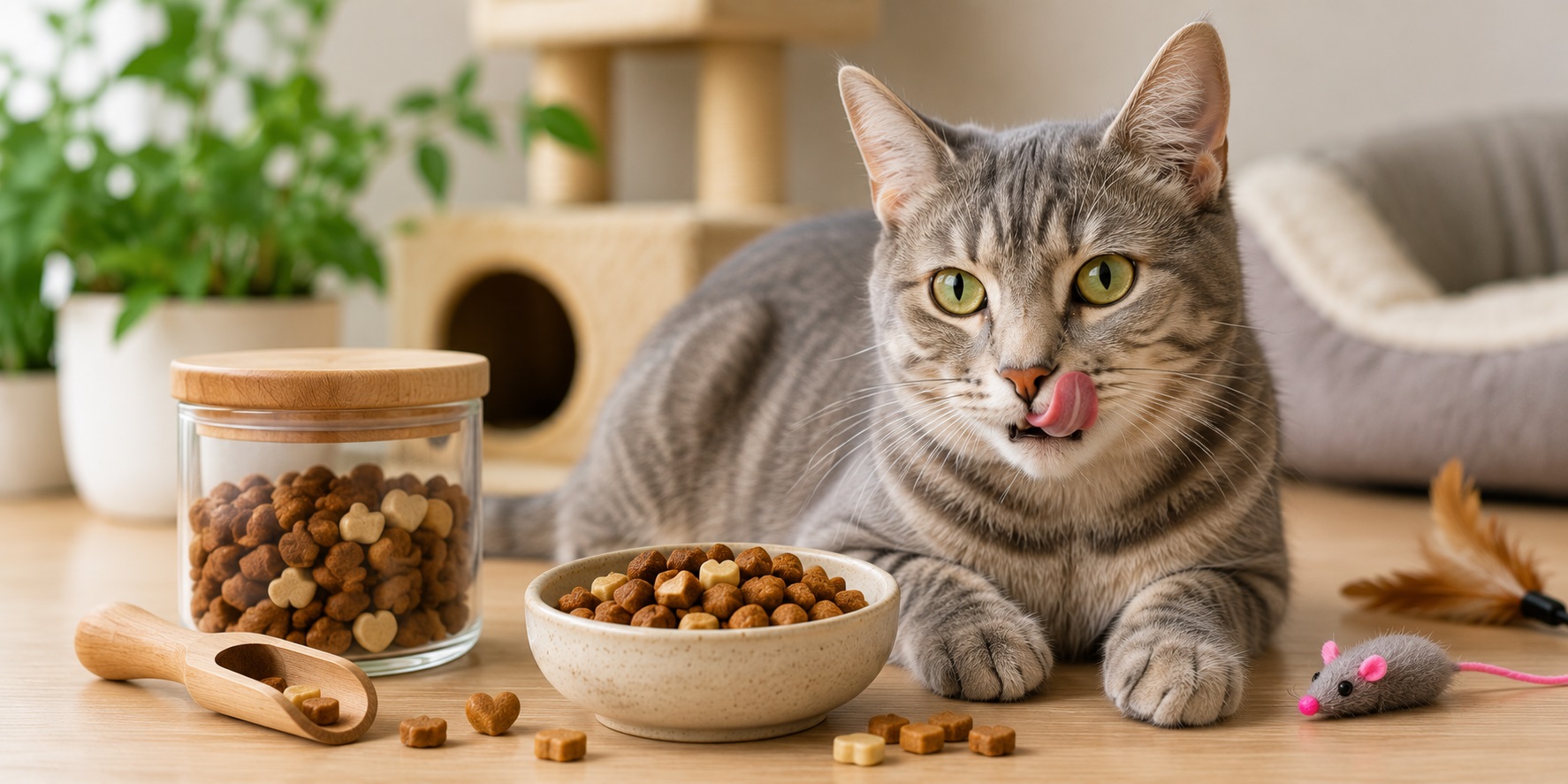
There is a reason your cat suddenly appears the moment you open a bag of cat treats. That little shake of the package can turn a quiet afternoon into an instant training session. Treats can be a fun way to reward good behavior, build positive routines, or simply give your feline a little extra attention.
But not every treat belongs in your cat's bowl.
With so many flavors, textures, shapes, and ingredient claims available, choosing the right treat can take more thought than you might expect. Some treats are designed for everyday rewards, while others focus on dental care, hairball support, or specific textures.
So how do you choose?
Start by looking beyond the front of the package. Ingredients, calories, portion size, your cat's age, and overall diet all matter. Whether you're searching for healthy cat treats or comparing familiar options such as temptations cat treats, a little label knowledge can help you make a better choice.
What Makes a Good Cat Treat?
A treat does not need to replace your cat's regular food. Its main job is to provide a small reward while fitting into an otherwise balanced diet.
A good treat should be:
-
Appropriate for cats
-
Suitable for your cat's age and needs
-
Easy to portion
-
Reasonable in calories
-
Enjoyable for your cat
-
Compatible with its regular diet
The biggest mistake is treating treats like a second meal.
Think of them as the side dish, not the main course.
Your cat's primary food should provide the nutrition needed for its daily diet. Treats should complement that routine rather than take over the food bowl.
Taste Still Matters
You can buy the most carefully selected treat in the store, but it does not help if your cat refuses to eat it.
Cats can have strong preferences for flavor and texture. One cat may love crunchy bites, while another may go straight for soft or creamy treats.
That's perfectly normal.
If you're trying a new product, start with a small quantity. You can learn what your cat likes without filling the cupboard with treats that never get opened.
Healthy Cat Treats: What Should You Look For?
The phrase healthy cat treats sounds appealing, but don't rely on the claim alone.
Instead, look at the product as part of your cat's complete diet.
Check the Ingredient List
The ingredient list gives you useful information about what goes into the product.
Look for ingredients you recognize and consider how the treat fits with your cat's regular food.
If your cat has a known food sensitivity or your veterinarian has recommended avoiding certain ingredients, read the label carefully before buying.
Check the Calories
This is one of the most overlooked parts of treat shopping.
A tiny treat can still contribute calories. Several treats throughout the day can add up quickly.
For example, giving two treats after breakfast, three during playtime, and another few before bed may seem harmless. But your cat may be receiving a meaningful amount of extra food by the end of the day.
Check the calorie information when available and keep portions consistent.
Consider the Texture
Texture can influence how much your cat enjoys a treat.
Crunchy treats can provide a different experience from soft treats. Some cats prefer treats they can chew, while others want something they can eat quickly.
Texture also matters when using treats during training. A small treat that your cat can eat quickly may work better than a large treat that interrupts the activity.
Don't Confuse a Treat With a Complete Diet
Most treats are not designed to provide all the nutrients a cat needs for daily maintenance.
That's why they should remain a small part of the overall feeding routine.
If your cat receives a complete and balanced cat food as its main diet, treats can be used as occasional rewards without becoming the nutritional foundation.
Ingredients to Check Before Buying Cat Treats
You don't need to become a pet nutrition expert to read a treat label.
Start with a few simple questions.
Is the Treat Made for Cats?
This sounds obvious, but always choose a product formulated for the intended species.
Cats have nutritional requirements that differ from dogs and people. A product designed specifically for cats is the safer starting point.
What Are the Main Ingredients?
Look at the first several ingredients rather than focusing on one word on the front of the package.
If you're choosing a meat-based treat, you may prefer a formula that clearly identifies its animal-based ingredients.
However, don't assume that one ingredient automatically makes a treat nutritionally superior. The full formulation matters.
Are There Added Ingredients Your Cat Should Avoid?
Some cats have dietary restrictions or sensitivities.
If your veterinarian has told you to avoid a particular protein, ingredient, or nutrient, check the entire label rather than relying on product descriptions.
Does the Treat Fit Your Cat's Regular Food?
Imagine your cat already eats a calorie-dense diet and receives several treats every day.
Adding another calorie-heavy reward without adjusting the overall amount of food can gradually push daily intake higher than intended.
The goal is balance.
Cat Treats vs. Regular Cat Food
It's easy to think of treats as miniature versions of cat food, but they serve different purposes.
Regular cat food is intended to provide the nutrients a cat needs as part of its daily diet.
Treats are usually used for:
-
Rewards
-
Training
-
Bonding
-
Positive reinforcement
-
Enrichment
-
Occasional variety
This difference matters.
Suppose your cat learns to use a scratching post instead of the sofa. You give it a small treat. That reward reinforces the behavior.
Now imagine giving the same number of treats simply because your cat asks for them every time you walk into the kitchen.
That's a different routine.
Using treats intentionally can make them more useful while helping you control portions.
How Many Treats Can a Cat Have?
There isn't one universal number that works for every cat.
The appropriate amount depends on the treat's calories, your cat's size, age, activity level, health, and total daily diet.
A useful habit is to think about treats as part of your cat's daily calorie budget.
If you're giving several treats every day, reduce the amount of regular food when appropriate rather than simply adding treats on top.
Your veterinarian can also help you determine an appropriate feeding routine, especially if your cat is overweight, underweight, has a medical condition, or follows a prescription diet.
Keep Treat Time Consistent
Consistency makes portion control easier.
Instead of grabbing treats randomly throughout the day, choose specific times.
For example:
Morning: One small reward after medication or grooming.
Afternoon: A few small treats during play.
Evening: A reward after interactive play or another positive behavior.
The exact routine can vary. The important part is knowing how much your cat receives.
Different Types of Cat Treats
The best treat depends partly on what you want it to do.
Crunchy Treats
These are popular for cats that enjoy texture and chewing.
They are often easy to break into smaller pieces, which can make portion control simpler.
Soft Treats
Soft treats can work well for cats that prefer a tender texture.
They can also be useful during training because many cats can eat them quickly.
Freeze-Dried Treats
Freeze-dried options often focus on simple animal-based ingredients and a concentrated flavor.
Because these products can be nutrient- and calorie-dense depending on the formula, check the feeding instructions and serving size.
Functional Treats
Some treats are designed around specific purposes, such as dental care or hairball support.
Don't assume a functional claim means the treat can replace regular dental care or veterinary treatment. Consider the treat an addition to the routine, not a complete solution.
Where Temptations Cat Treats Fit
Temptations cat treats are a familiar example of a commercial cat treat designed around taste, texture, and rewarding behavior.
If your cat enjoys them, they can fit into a treat routine when given according to the package directions and considered as part of the cat's overall food intake.
The same shopping rule applies here as it does with any other treat: check the label, look at serving information, and consider your cat's individual needs.
Don't choose a treat simply because your cat loves it.
And don't reject a treat simply because it isn't marketed as "premium."
Look at the full picture.
Common Mistakes When Buying Cat Treats
Even experienced cat owners can fall into a few easy traps.
Buying the Biggest Bag First
Bulk buying can save money, but only if your cat actually likes the product.
Try a smaller package when testing a new flavor or texture.
Ignoring Calories
A treat may look tiny, but several treats can add up.
Always consider how many your cat receives throughout the day.
Using Treats to Replace Attention
Sometimes your cat doesn't want food. It wants interaction.
Try a short play session, gentle grooming, or a few minutes of attention before reaching for another treat.
Giving Treats for Every Meow
Cats learn quickly.
If every meow produces a snack, your cat may learn that meowing is the fastest way to get one.
Use treats for intentional rewards rather than responding automatically every time.
Changing Too Many Things at Once
If you introduce a new food, new treats, and new supplements at the same time, it becomes difficult to know what your cat responds to.
When possible, introduce new products gradually and observe your cat.
A Simple Cat Treat Buying Checklist
Before putting a new treat in your cart, ask yourself:
1. Is it made specifically for cats?
2. Is it appropriate for my cat's age and needs?
3. Have I checked the ingredients?
4. How many calories are in a serving?
5. What serving size does the package recommend?
6. Does my cat actually enjoy the flavor and texture?
7. Does it fit into my cat's overall daily diet?
8. Has my veterinarian recommended avoiding any ingredients?
If you can answer these questions, you're already making a more informed decision.
Make Every Treat Count
Your cat doesn't need a treat every time it looks at you with those big eyes.
What it does need is a feeding routine that supports its overall well-being.
When shopping for cat treats, look beyond flavor and packaging. Check ingredients, calories, serving sizes, texture, and age recommendations. If you're specifically looking for healthy cat treats, judge the product by how it fits into your cat's complete diet rather than by a single marketing claim.
And if your feline already has a favorite, such as temptations cat treats, you can still use it thoughtfully. Keep portions controlled, use treats for meaningful rewards, and make sure the main diet remains the priority.
Ready to find a treat your cat will actually get excited about? Compare the options, check the label, and choose a treat that gives you both things you want: a happy cat and a smarter feeding routine.
Frequently Asked Questions About Cat Treats
Are cat treats healthy for cats?
Cat treats can fit into a healthy feeding routine when given in appropriate amounts. They should complement your cat's regular diet rather than replace complete and balanced cat food.
What are healthy cat treats?
Healthy cat treats are not defined by one ingredient or marketing phrase. Look for treats appropriate for cats, check the ingredient and calorie information, and choose options that fit your cat's individual nutritional needs.
Can kittens have cat treats?
Some treats are suitable for kittens, while others may be intended for adult cats. Always check the product label for age recommendations and consider your kitten's overall diet.
How often should I give my cat treats?
The frequency depends on the individual cat, the type of treat, and the amount given. Rather than focusing only on how many times you offer a treat, consider the total calories your cat receives each day.
Can I use cat treats for training?
Yes. Treats can be useful as positive reinforcement. Small pieces can help reward desired behavior without turning every training session into a large meal.
What's Your Reaction?
 Like
0
 Dislike
0
 Love
0
 Funny
0
 Angry
0
 Sad
0
 Wow
0